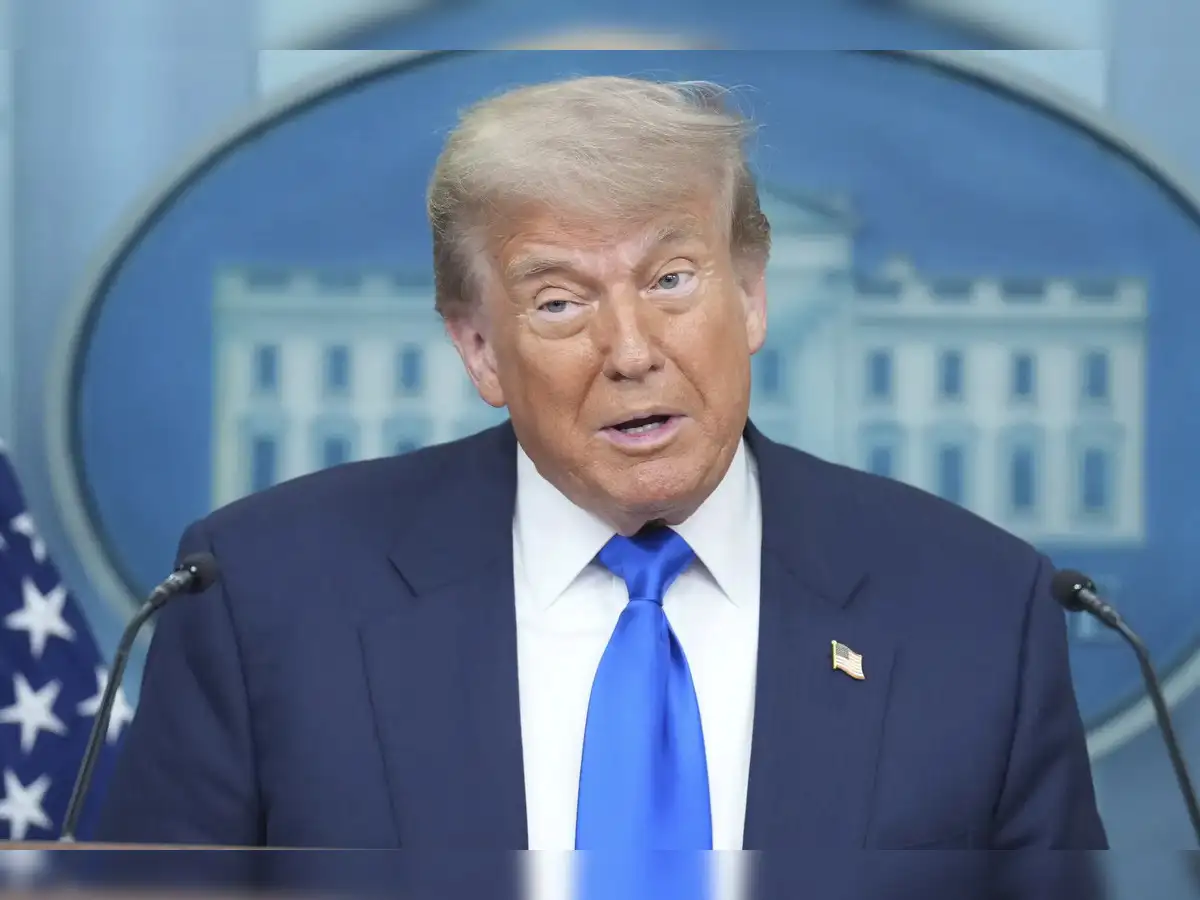
In a significant development that marks one of the most ambitious shifts in U.S. fiscal policy in recent years, Congress has passed legislation championed by former President Donald Trump, aimed at reducing both taxes and government spending. The sweeping measure, which Trump had enthusiastically described as a “big, beautiful bill,” is poised to reshape key aspects of the American economy and public finances for years to come.
The law mirrors enduring Republican goals of reducing taxes for both individuals and companies, while also cutting federal spending. Proponents claim the policy will encourage economic expansion, increase investments, and provide American workers with more disposable income. Opponents, on the other hand, have expressed worries about its possible impact on income disparity, public services, and the national debt.
At the center of the legislation is an all-encompassing set of tax reductions. This consists of lowered income tax rates across numerous brackets, an enhanced standard deduction for both individuals and families, and substantial reductions in corporate taxes. The corporate tax rate has been lowered to figures not witnessed in years, aiming to enhance the competitiveness of American firms internationally and to promote job growth domestically.
Proponents of the legislation have emphasized that lower taxes will leave individuals with more disposable income, potentially boosting consumer spending—one of the key drivers of the U.S. economy. Business leaders have welcomed the corporate tax cuts, suggesting that lower costs could lead to increased hiring, higher wages, and expanded operations. The bill also includes provisions designed to encourage companies to repatriate profits held overseas, with the hope of bringing substantial capital back into the U.S. economy.
Alongside these tax changes, the legislation includes targeted reductions in government spending. The bill outlines cuts to various federal programs, reflecting a push toward smaller government and reduced fiscal intervention in the economy. Supporters maintain that trimming federal expenditures is essential for long-term fiscal health and to prevent unsustainable growth in the national debt.
However, the bill has sparked considerable debate over its broader economic and social impact. Critics argue that while tax cuts may provide short-term economic benefits, they risk widening the gap between high- and low-income Americans. Some fear that the reduction in government revenue could ultimately lead to cuts in essential public services, including education, healthcare, and infrastructure. There are also concerns that reduced federal spending may disproportionately affect vulnerable populations who rely on social safety net programs.
Economists have offered mixed assessments of the measure’s likely outcomes. Some predict that the combination of tax relief and spending cuts could generate a short-term economic boost, potentially increasing GDP growth and lowering unemployment. Others caution that the long-term effects could include rising deficits, especially if the anticipated economic growth falls short of expectations.
One of the main debates regarding the new legislation is if the reductions in taxes will self-finance due to boosted economic actions—a concept frequently proposed by advocates of supply-side economics. Historical data on this matter is mixed. Although lowering taxes can boost specific industries, they seldom produce enough additional revenue to completely balance the original decrease in tax earnings. As a result, some experts forecast that the new regulations might considerably increase the federal deficit eventually.
The political dynamics surrounding the approval of the bill also underscore significant rifts within Congress and the wider American populace. Republican legislators largely supported the initiative, portraying it as an essential move to rejuvenate the economy and benefit diligent Americans. In contrast, Democratic adversaries denounced the bill, arguing it favored affluent individuals and major corporations, leaving behind middle- and lower-income families.
La opinión pública ha evidenciado esta división. Algunos estadounidenses han recibido con agrado la perspectiva de impuestos más bajos y mayores oportunidades laborales, mientras que otros han expresado dudas, preocupados de que las ventajas de la ley no se repartan equitativamente. La complejidad del proyecto también ha generado confusión entre los contribuyentes respecto a cómo las modificaciones afectarán sus situaciones financieras personales.
Besides having nationwide effects, the law might affect the United States’ position in the international economic arena. Reduced business taxes could potentially draw overseas investments and motivate multinational firms to increase their activities in the United States. Concurrently, possible reductions in public services might decrease funding in education, infrastructure, and healthcare—fields frequently regarded as crucial for sustaining long-term international competitiveness.
The bill’s passage is also seen as a major legislative achievement for Trump, whose administration prioritized tax reform as a key objective. The former president has repeatedly praised the bill, framing it as a win for American families, businesses, and workers. He has argued that by reducing the role of government and empowering the private sector, the legislation will help unleash the full potential of the U.S. economy.
However, as with numerous significant policy shifts, the true impact of the measure will emerge gradually. Economic indicators like employment expansion, salary growth, investment patterns, and government income will act as reference points to evaluate the bill’s achievements or failures. Furthermore, changes in the political environment could affect whether the law persists or undergoes amendments in the future.
Looking forward, policymakers on both sides of the aisle will likely continue to grapple with the challenges of balancing tax policy, government spending, and fiscal responsibility. The debates sparked by this legislation are emblematic of broader tensions over the role of government in shaping economic outcomes, the importance of equity in public policy, and the long-term sustainability of federal finances.
Meanwhile, people, companies, and state administrations are starting to adapt to the novel economic setting shaped by this historic legislation. Financial consultants, tax experts, and business planners are examining the specifics to figure out the most effective ways to navigate the updated regulatory environment.
Ultimately, while the passage of the tax and spending reduction bill marks a significant political milestone, its lasting impact on the American economy—and on the everyday lives of millions—will depend on a complex interplay of economic trends, business decisions, and future legislative choices. As the nation watches closely, only time will reveal whether this “big, beautiful bill” delivers on its lofty promises or adds new challenges to the ongoing quest for economic stability and shared prosperity.