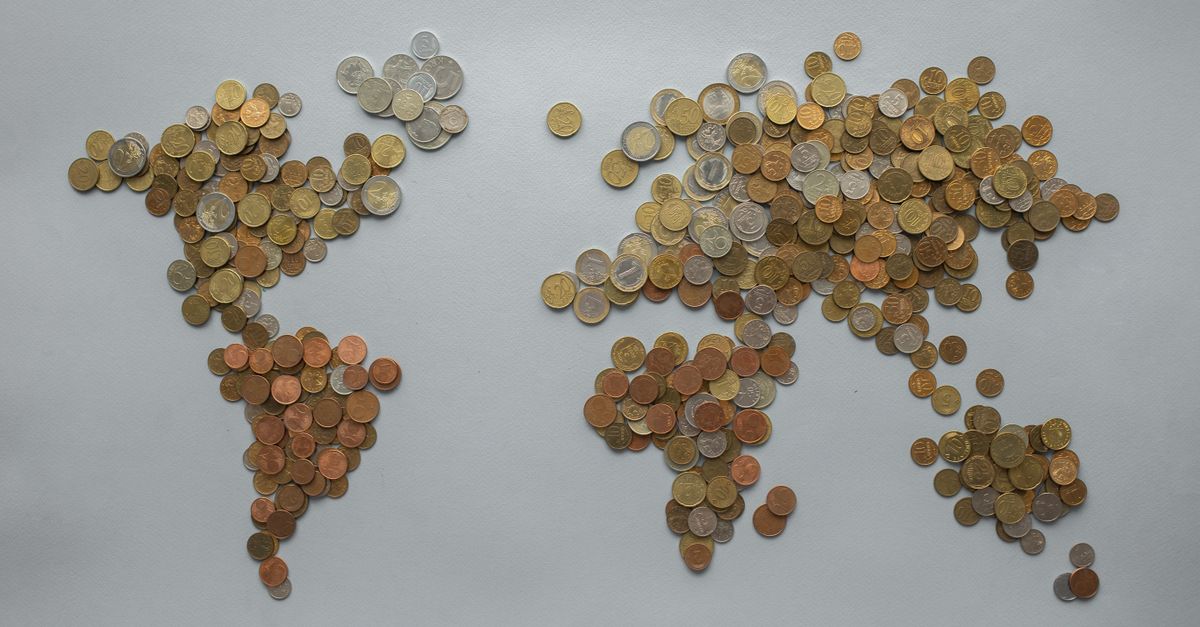
Recent economic figures from the United States indicate that inflation is increasing again, leading to uncertainty right before decision-makers reveal their forthcoming actions regarding interest rates.
The topic of inflation has dominated the financial landscape in recent years, and the most recent figures suggest that the challenge is far from over. For many households, businesses, and investors, the increase in consumer prices signals a continuation of financial strain at a time when borrowing costs are already at their highest levels in decades. The upcoming decision by the Federal Reserve on interest rates has gained even greater importance as economists, markets, and political leaders weigh the potential consequences of continued monetary tightening or a pause to provide relief.
Rising inflation affects nearly every aspect of daily life, from the cost of groceries to mortgage payments, and it serves as one of the most critical factors influencing economic stability. As such, the Federal Reserve’s task is not merely to react to the numbers but also to anticipate how long-term inflationary pressures might evolve and how the broader economy will absorb future adjustments. The increase in prices at this stage signals not only lingering supply chain disruptions and energy costs but also persistent demand that continues to challenge efforts to stabilize the economy.
The reasons for the resurgence of inflation
Recognizing the reasons behind the renewed increase in inflation involves analyzing both national and international factors. The energy markets, for example, remain crucial, with variations in oil prices and geopolitical unrest contributing to instability. As fuel and transportation expenses rise, this impact extends throughout supply chains, leading to higher costs in areas such as food production and consumer products.
Simultaneously, the housing sector continues to play a major role. Both rental rates and home purchase prices have escalated considerably, primarily because of restricted availability and robust demand, despite the increased borrowing expenses. Although elevated mortgage rates deter certain buyers, the competition for existing properties maintains high prices, exerting substantial influence on inflation measures.
In the international arena, trade interactions, transportation expenses, and political unpredictability influence the inflation scenario. Disputes in some regions and frictions between leading economies cause disturbances that contribute to rising domestic prices, emphasizing the U.S. economy’s integration with worldwide markets.
Federal Reserve’s dilemma
The central bank of the United States is currently dealing with one of its trickiest choices. For a considerable time, it has implemented stringent measures by increasing interest rates to curb rising prices. More expensive loans have affected specific sectors of the economy, notably the real estate market and corporate investments; however, inflation still surpasses the 2% goal set by the Federal Reserve. The recent rise in inflation adds complexity to the future forecast.
Si el Federal Reserve incrementa las tasas nuevamente, corre el riesgo de acercar más a la economía a una desaceleración, con el aumento del desempleo y una disminución del gasto de los consumidores como posibles consecuencias. No obstante, si opta por mantener las tasas estables o recortarlas anticipadamente, la inflación podría aumentar aún más, socavando la confianza del público en la capacidad de la institución para gestionar la estabilidad de los precios.
Financial markets are closely watching the Fed’s every move. Investors know that interest rate decisions not only affect stock and bond valuations but also determine the cost of capital for businesses and consumers alike. Currency markets are also influenced, as rate hikes tend to strengthen the U.S. dollar, with global implications for trade and investment flows.
The trustworthiness of the Federal Reserve is on the line. Having highlighted its dedication to managing inflation, the organization now needs to demonstrate that its strategies are successful without causing needless economic hardship. The decision it takes will have effects beyond financial sectors, influencing political discussions, consumer trust, and the worldwide view of U.S. economic leadership.
Impact on homes and companies
For ordinary Americans, rising inflation means tighter household budgets and more difficult financial decisions. Groceries, utilities, and transportation costs eat up a larger share of incomes, while higher interest rates make mortgages, car loans, and credit card debt more expensive. The double pressure of higher prices and increased borrowing costs leaves many families with limited flexibility, forcing them to cut back on discretionary spending or delay major purchases.
Businesses, too, face a complex environment. Companies must navigate higher input costs while trying to maintain profitability. Passing these costs on to consumers can risk losing customers, while absorbing them internally reduces margins. Small and medium-sized enterprises, in particular, struggle with limited resources and less access to favorable financing terms compared to large corporations.
Yet, some industries benefit from inflationary environments. Energy companies often see higher revenues during periods of elevated fuel prices, while certain technology and consumer goods firms manage to leverage demand despite rising costs. The uneven impact of inflation across sectors reflects the complex and multifaceted nature of the challenge.
For global partners, inflation in the U.S. and the actions of the Federal Reserve have wide-ranging effects worldwide. Elevated U.S. interest rates draw in investments, bolstering the dollar yet complicating the situation for developing nations to handle their debts. Nations relying significantly on borrowing in dollars experience heightened stress, whereas exporters to the U.S. need to adjust to changing demand patterns.
What lies ahead
In the future, the direction of inflation and interest rates will hinge on a sensitive balance between economic signals and policy actions. Should inflation persist longer than anticipated, the Federal Reserve might have to maintain higher rates for a prolonged time, even if it means sacrificing economic growth. Conversely, if inflation shows substantial easing, there might be an opportunity for gradual rate reductions, but only with solid proof that the chances of a resurgence are low.
The broader inquiry is still whether the U.S. economy can manage a “soft landing”—a situation where inflation decreases without causing a significant recession. Policymakers, investors, and the public aspire to this result, yet history indicates that handling these types of transitions is highly difficult. The upcoming months will offer vital information on whether the U.S. economy can endure the challenges of elevated inflation and tight monetary policy while preserving growth and jobs.
The continued presence of inflation as the Federal Reserve prepares to make an important interest rate decision highlights the lingering unpredictability within the worldwide economy. For the American public, this challenge is tangible—it is evident in day-to-day expenses, monthly loan installments, and bank savings. For decision-makers, it requires careful consideration and equilibrium. Globally, it emphasizes the impact of the U.S. economic path on international markets and financial frameworks. Thus, the forthcoming interest rate choice will not merely be a national policy decision but also an indicator to the globe regarding the forthcoming path of the world economy.