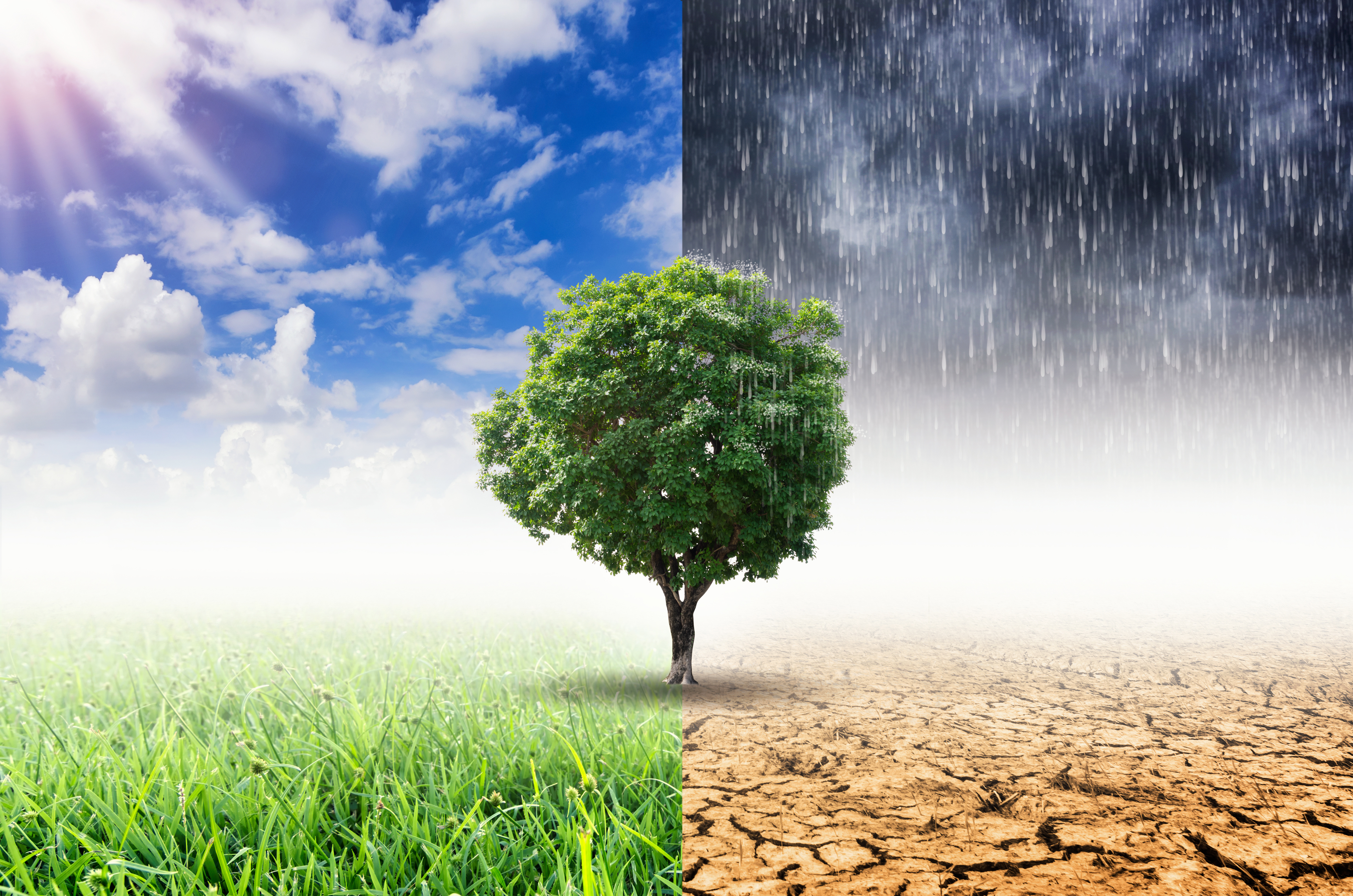
In an unprecedented verdict that may transform the accountability of nations concerning environmental damage, the leading international court worldwide has announced that states are allowed to legally dispute each other over climate-related harm. This decision represents a pivotal moment in global environmental governance, providing an alternative path for climate justice and possibly altering how the international community tackles the escalating danger of climate change.
The ruling issued by the International Court of Justice (ICJ) confirms that nations have the legal right to initiate lawsuits against each other due to the effects of climate change, especially when these effects extend beyond borders or threaten common global interests. This development might pave the way for a surge of international lawsuits, as countries—especially those at greatest risk from climate impacts—aim to make major polluting nations liable for environmental harm, rising sea waters, severe weather, and biodiversity loss.
For many years, global climate policies have primarily emphasized discussions, collaboration, and voluntary pledges. Agreements like the Paris Agreement aim to promote countries to cut down on greenhouse gas emissions and shift towards more sustainable methods. Nevertheless, these approaches have frequently depended on ethical duty and diplomatic influence, lacking enforceable mandates. This fresh legal acknowledgment provides a more official means for handling disputes related to climate issues between countries.
The ruling is not tied to a specific case but comes in response to growing global concern over the adequacy of current climate action and the real-world consequences already being felt in many parts of the world. Small island nations, low-lying coastal states, and countries in arid or disaster-prone regions have been particularly vocal about the uneven impacts of climate change. For them, the ability to seek legal recourse on the international stage is seen as a critical step toward equity and survival.
Legal experts believe this decision opens the door for a broader interpretation of how environmental harm is addressed in international law. Historically, states have been able to pursue claims against one another for transboundary pollution or violations of treaties, but climate change—due to its global scope and complex causes—has often eluded such direct legal framing. By clarifying that climate-related harm can fall under legal scrutiny, the court has provided a precedent that will likely be referenced in years to come.
Este cambio también coloca una mayor responsabilidad en los países desarrollados, que históricamente han contribuido más a las emisiones de gases de efecto invernadero. Si las naciones comienzan a presentar reclamos por daños, los procedimientos legales podrían obligar a los países más ricos e industrializados a proporcionar reparaciones o apoyar medidas de adaptación en las regiones más vulnerables. Tales resultados reforzarían el principio de “responsabilidades comunes pero diferenciadas”, un concepto fundamental en la política climática que reconoce la contribución e impacto desigual del cambio climático entre las naciones.
While the decision does not automatically trigger any specific lawsuits, it gives countries new legal leverage to pursue claims. Already, legal teams and policymakers around the world are assessing how this ruling might support existing or future cases. Some legal scholars suggest that this could eventually lead to the creation of new international legal norms or even a specialized tribunal to deal exclusively with climate-related disputes.
Critics of the ruling have raised concerns about its practical implications. International lawsuits can take years, even decades, to resolve, and the legal threshold for proving direct causation between emissions and specific climate events remains high. Furthermore, enforcement of court rulings between sovereign states is inherently complex. Nonetheless, proponents argue that the symbolic and procedural value of the decision outweighs these challenges, offering hope and a voice to communities often excluded from global power dynamics.
Supporters of environmental causes have hailed the decision as a much-needed acknowledgment of the gravity of the climate emergency and the necessity for practical legal mechanisms to tackle it. For numerous individuals, the option to escalate disputes from discussions to legal proceedings indicates that the global community is starting to regard climate change not only as a scientific and political challenge but also as an issue of justice and human rights.
The decision could also influence domestic legal systems. Courts within various countries may look to this ruling as a benchmark for their own climate-related cases, potentially leading to stronger enforcement of environmental protections at the national level. It also sends a signal to corporations and industries that international legal pressure on emissions and environmental impact is likely to grow.
Additionally, the ruling reinforces the idea that environmental harm is not contained by borders. As climate change accelerates, its effects ripple across regions, disrupting ecosystems, displacing populations, and threatening food and water security. By legitimizing cross-border legal claims, the court has acknowledged the interconnected nature of environmental risk and the need for a global framework to manage it.
With an eye on the future, this choice might prompt a greater focus on cooperative strategies for climate resilience. Nations could find more motivation to collaborate on efforts for mitigation and adaptation, aware that inaction might lead to legal risks. Additionally, it might bolster the stance of developing countries in climate discussions, providing them with further means to insist on significant measures and assistance from richer countries.
Significantly, the decision highlights a transformation in the development of international law in reaction to contemporary issues. Climate change, previously viewed largely as a concern for scientists and diplomats, is now progressively seen as a legal matter intertwined with basic rights, state sovereignty, and global accountability. The court’s recognition of this aspect demonstrates an increasing realization that the legal framework needs to adjust to confront the realities of an increasingly warm planet.
While it remains to be seen how this new legal pathway will be used, the implications are far-reaching. It marks a potential new chapter in global climate action—one in which the courts may play as important a role as treaties or summits. For countries facing existential threats from rising seas or recurring climate disasters, this decision is more than symbolic. It represents a tool, however complex or imperfect, to seek redress, demand accountability, and assert their right to a livable planet.
As the effects of climate change keep altering the world’s landscape—impacting it ecologically, economically, and politically—the structures through which countries react must also evolve. The judgment from the court indicates that the age of climate-related legal actions is not only present but could also become a pivotal aspect of global relations in the coming years.