The war in Ukraine, which erupted into full-scale conflict in February 2022, has significantly altered the global balance in ways both immediate and far-reaching. This conflict has had profound ramifications for geopolitical alliances, global economics, security frameworks, humanitarian conditions, energy landscapes, and the evolving architecture of international law. Examining these consequences in detail sheds light on how a regional war can send shockwaves through every corner of the world.
Geopolitical Realignment and Power Shifts
One of the most consequential impacts has been the acceleration of existing geopolitical tensions and the emergence of new alliances. The war has catalyzed a redefinition of blocs reminiscent of Cold War dynamics, with NATO and Western allies on one side and Russia, with varying degrees of explicit or implicit support from countries like China and Iran, on the other.
Sweden and Finland, nations with a history of non-alignment, pursued NATO membership, indicating a heightened perception of vulnerability across Europe. As reported by NATO, Finland formally became part of the alliance in April 2023, thereby expanding the NATO–Russia frontier by more than 1,300 kilometers. Concurrently, Russia’s global reputation has suffered, experiencing exclusion from Western organizations, G7 gatherings, and significant scientific and cultural platforms.
Simultaneously, the dispute highlighted the strategic alliance between Russia and China. China’s position, though seemingly impartial, has been marked by abstentions in United Nations ballots and expanded financial collaboration with Russia, sparking worries among Western political leaders regarding the resurgence of spheres of influence.
Changes in Worldwide Economic Steadiness and Commercial Trends
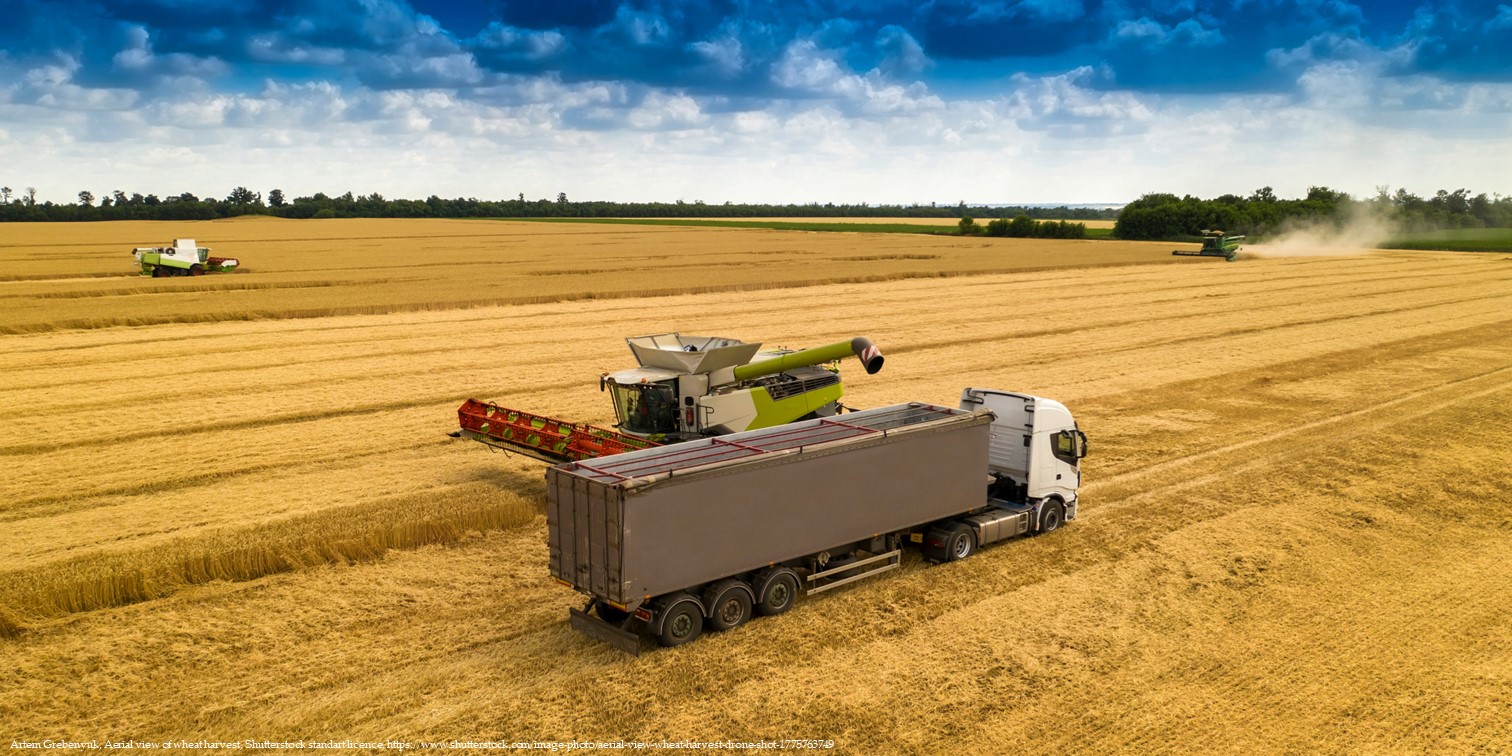
The war’s disruption of critical supply chains has exposed the vulnerabilities inherent in globalized economies. Eastern Europe and Russia account for a large share of global wheat, corn, and sunflower oil exports. According to the World Food Programme, more than 400 million people worldwide rely on food supplies from Ukraine and Russia. Blockades in the Black Sea, destruction of Ukrainian agricultural infrastructure, and Western sanctions on Russia have catalyzed spikes in global food prices—thrusting communities in Africa, the Middle East, and South Asia into heightened food insecurity.
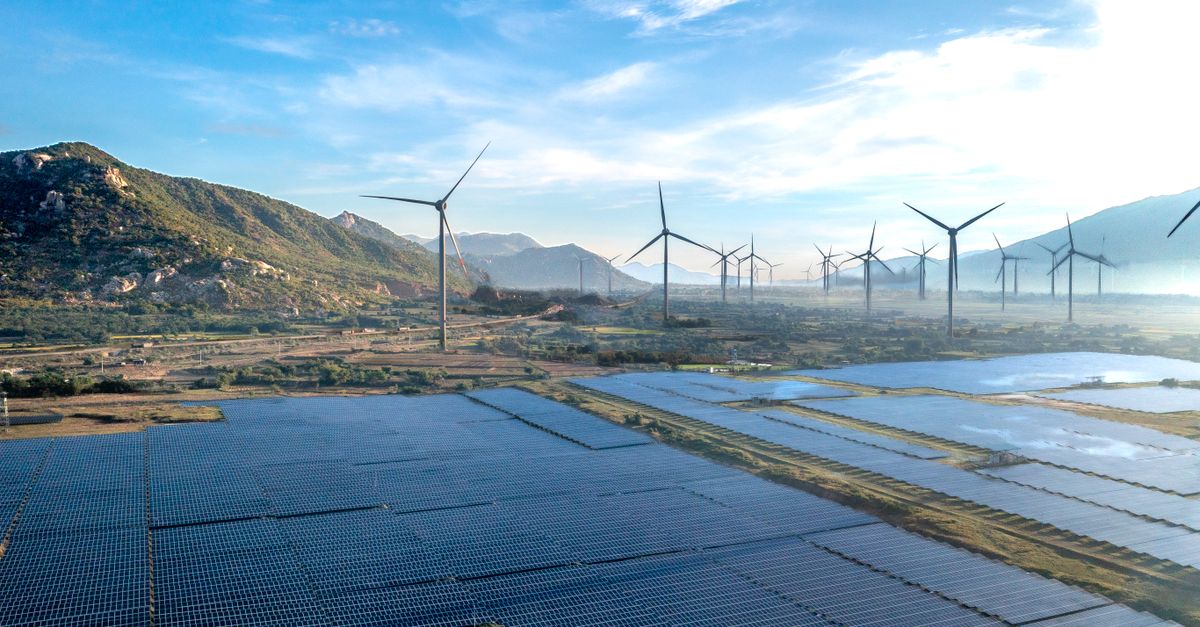
The energy sector has been equally impacted. In response to sanctions, Russia reduced or stopped gas deliveries to much of Europe. The sudden scarcity forced European nations to seek alternative suppliers, heavily investing in liquefied natural gas (LNG) facilities and renewable energy, and in some cases, temporarily reopening coal-fired plants. Germany, once reliant on Russia for over half of its gas imports, expedited plans for energy diversification and green transition, investing an estimated 200 billion euros. These adjustments have not only transformed the European energy market but have also altered the energy flows globally, raising LNG prices in Asia and Latin America.
Sanctions have also pressured global financial markets. The freezing of Russian assets, exclusion from international banking networks like SWIFT, and limitations on trade have contributed to market volatility and the re-routing of capital flows, as well as discussions about the future of global reserve currencies. Russia’s increased use of Chinese yuan for trade illustrates a slow but steady de-dollarization trend in certain bilateral exchanges.
Implications for Global Security and Defense Policy
Global security policies have been reevaluated following the conflict in Ukraine. NATO’s enhanced cohesion has led to the most significant troop deployment in Eastern Europe since the alliance’s inception, and defense spending has seen a sharp rise. Germany, for example, declared an unprecedented increase, dedicating over 2% of its GDP to defense for the first time in many decades.
Countries outside of Europe have also taken note. In the Indo-Pacific region, strategic planners in Japan, South Korea, and Taiwan cite the Ukraine conflict as a cautionary lesson about the risks of autocratic aggression. Governments are experimenting with asymmetric defense systems, advanced missile technology, and hybrid warfare strategies to deter potential threats.
The somber significance of nuclear deterrence has resurfaced. Russia’s explicit nuclear threats compelled the United States and its partners to reassess potential dangers, sparking worldwide discussions regarding nuclear missile deployment, preparedness, and arms control agreements, including the struggling New START Treaty.
Humanitarian and Social Fallout
The extent of human displacement has been astonishing. The United Nations High Commissioner for Refugees (UNHCR) stated that over eight million Ukrainians were displaced, leading to Europe’s most significant refugee crisis since World War II. Nearby nations such as Poland and Moldova shouldered the initial impact, but the broader consequences necessitated a unified global humanitarian response.
The conflict has also put a strain on the global aid system, which was already struggling due to other emergencies. It led to increased examination of how funds are distributed and highlighted the links between humanitarian and security challenges, with reports suggesting that secondary migration and human trafficking operations have become more prevalent.
The Vulnerability and Development of Global Legislation
Russia’s invasion of a sovereign state, accompanied by widespread evidence of war crimes and atrocities, has challenged the integrity of the post-World War II legal order. The reliance on international legal instruments such as the Geneva Conventions and the International Criminal Court has been put to the test. The West’s comprehensive sanctions, asset seizures, and efforts to prosecute war crimes raised complex questions around the universality and enforceability of international law. Meanwhile, some states have used these circumstances to assert that international norms are applied selectively, exacerbating divisions on bodies such as the UN Security Council.
Future Pathways Amidst Ongoing Uncertainty
The war in Ukraine, more than a localized struggle, serves as a watershed moment shaping the trajectory of the twenty-first-century world order. Its multidimensional impact demonstrates the intricate allocation of power, the volatility of energy and food systems, the resurgence of military alliances, and the pressures placed on international legal and humanitarian norms. As the conflict continues, its consequences for the global balance remain dynamic, demanding constant adaptation by states, organizations, and societies worldwide. The challenge that emerges is how the international community will navigate strategies for coexistence, deterrence, and resilience in a world profoundly transformed by the realities revealed and reshaped by the war in Ukraine.