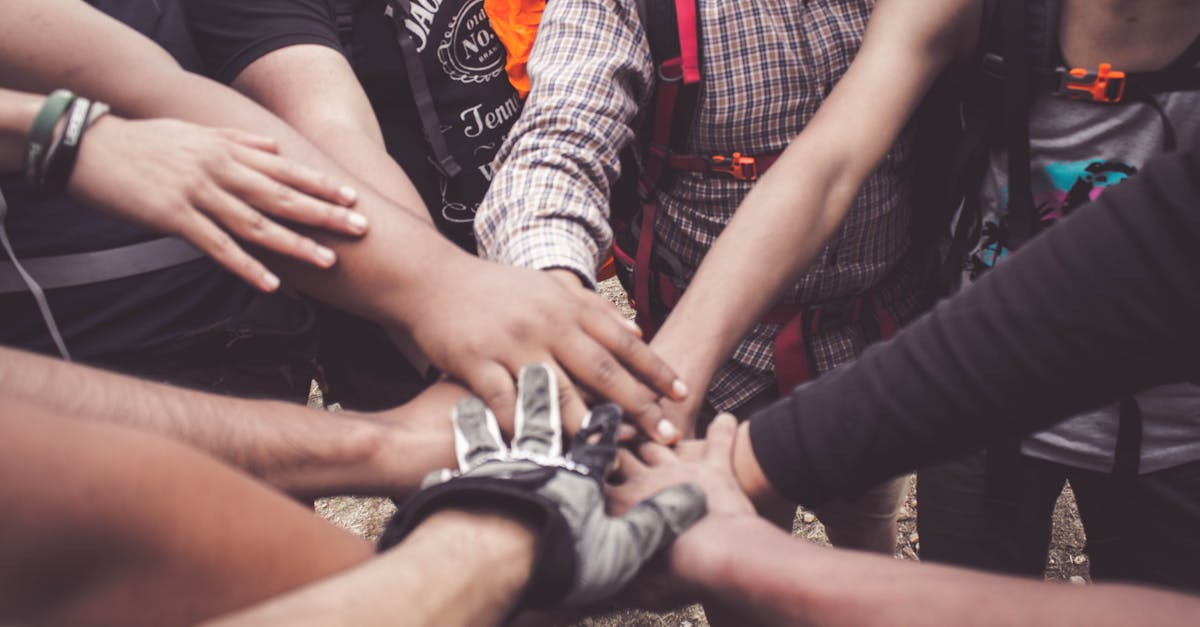
Introduction: Enduring Institutions of Compassion
Humanitarian organizations are frequently founded during periods of crisis, such as war, famine, epidemics, or social unrest. Even so, only a handful survive past a century, successfully navigating emerging challenges while staying dedicated to the reduction of human misery. Among the oldest humanitarian institutions still active today, the following entities stand out. Every single one has defined worldwide relief operations, established groundbreaking standards of care, and impacted international law, public health, emergency response, and social welfare.
1. The Order of Malta (Sovereign Military Order of Malta) – Founded circa 1048
Initially founded in Jerusalem with the mission of delivering medical assistance to travelers, the Order of Malta transformed into a pioneer among the globe’s first structured relief organizations. Currently, its operations span more than 120 nations.
Its modern activities include:
- Emergency medical assistance in conflict zones
- Disaster response and refugee support
- Hospitals, clinics, and elderly care programs
The organization runs thousands of volunteers and medical personnel worldwide. Despite its medieval origins, it remains active in contemporary crises, including support operations in Ukraine and disaster relief after major earthquakes.
2. The Spanish Red Cross – Founded 1864
Established shortly after the creation of the International Red Cross movement, the Spanish Red Cross has operated continuously for more than 160 years.
It provides:
- Disaster relief and emergency health services
- Blood donation programs
- Social inclusion initiatives for migrants and vulnerable populations
The organization played major roles during the Spanish Civil War, both World Wars, and more recently in responding to migration flows across the Mediterranean.
3. The International Committee of the Red Cross (ICRC) – Founded 1863
As one of the most impactful humanitarian institutions in history, the ICRC originated in Geneva, where it laid the groundwork for contemporary international humanitarian law, such as the Geneva Conventions.
Key contributions include:
- Protection of prisoners of war
- Monitoring compliance with humanitarian law
- Medical and relief operations in armed conflicts
Operating in over 90 countries, the ICRC maintains strict neutrality, allowing it to access conflict zones where few other organizations can operate.
4. The Salvation Army – Founded 1865
Established in London, The Salvation Army started out as a Christian mission focused on helping the underprivileged in cities. Soon spreading across the globe, it currently functions in upwards of 130 nations.
Its programs include:
- Homeless shelters and addiction recovery centers
- Disaster relief services
- Food assistance and social welfare programs
The organization is recognized for swiftly deploying volunteers during crises like hurricanes, wildfires, and floods.
5. The British Red Cross – Founded 1870
As an integral component of the worldwide Red Cross and Red Crescent Movement, the British Red Cross was founded with the mission to assist casualties on the battlefield during wartime.
Today, it focuses on:
- Emergency response within the United Kingdom
- International disaster relief
- Refugee assistance and first aid training
Its emergency response volunteers assist during floods, terrorist attacks, and public health emergencies.
6. Save the Children – Founded 1919
Established right after World War I, Save the Children was formed to tackle youth hunger and distress across Europe. Over the years, the organization has evolved into a worldwide pioneer in delivering child-centric humanitarian relief.
Current activities include:
- Nutrition and vaccination programs
- Education in conflict zones
- Child protection and advocacy
The organization operates in approximately 115 countries and has helped shape international child rights standards.
7. International Rescue Committee (IRC) – Founded 1933
Established at the suggestion of Albert Einstein to assist refugees fleeing persecution, the IRC has expanded into one of the world’s major humanitarian agencies.
Its work includes:
- Refugee resettlement
- Emergency health services
- Economic recovery programs
The IRC responds to crises in regions such as the Middle East, Africa, and Southeast Asia, often working in protracted conflict environments.
8. Oxfam – Founded 1942
Originally formed to combat famine during World War II, Oxfam has become a confederation of independent organizations working to alleviate poverty and respond to humanitarian emergencies.
Core areas include:
- Food security and clean water initiatives
- Advocacy against inequality
- Disaster relief and resilience building
Oxfam operates in more than 80 countries and plays a strong role in policy advocacy related to global inequality.
9. CARE International – Founded 1945
CARE originated by dispatching nutritional parcels to a war-ravaged Europe. The legendary “CARE Package” evolved into an emblem of global solidarity.
Today, CARE focuses on:
- Women’s empowerment initiatives
- Emergency response
- Climate resilience and food security
Operating in over 100 countries, CARE emphasizes gender equality as central to sustainable development.
10. Lutheran World Relief – Founded 1945
Formed after World War II to assist displaced Europeans, Lutheran World Relief has evolved into a global humanitarian and development organization.
Its activities include:
- Emergency relief in disaster zones
- Sustainable agriculture programs
- Support for refugees and internally displaced people
The organization integrates community development with emergency response, working across Africa, Asia, and Latin America.
Shared Characteristics of Longevity
These organizations have endured for decades—and in some cases centuries—because of several common factors:
- Adaptability: Transitioning from war-focused aid to broader humanitarian and development work.
- Institutional trust: Maintaining credibility through neutrality or principled advocacy.
- Global networks: Building partnerships with governments, donors, and local communities.
- Professionalization: Developing standards in logistics, medicine, and humanitarian law.
They have collectively shaped worldwide standards, ranging from the codification of wartime regulations to the creation of international guidelines for child safety and emergency relief.
The Continuing Relevance of Historic Humanitarian Institutions
While new nonprofit organizations emerge every year, these long-standing institutions demonstrate how humanitarian action can evolve across generations. From medieval hospitals serving pilgrims to multinational relief operations responding to climate disasters, their histories mirror the changing nature of global crises. Their survival reflects not only organizational resilience but also humanity’s persistent need for structured compassion—institutions capable of mobilizing resources, expertise, and solidarity when suffering transcends borders.