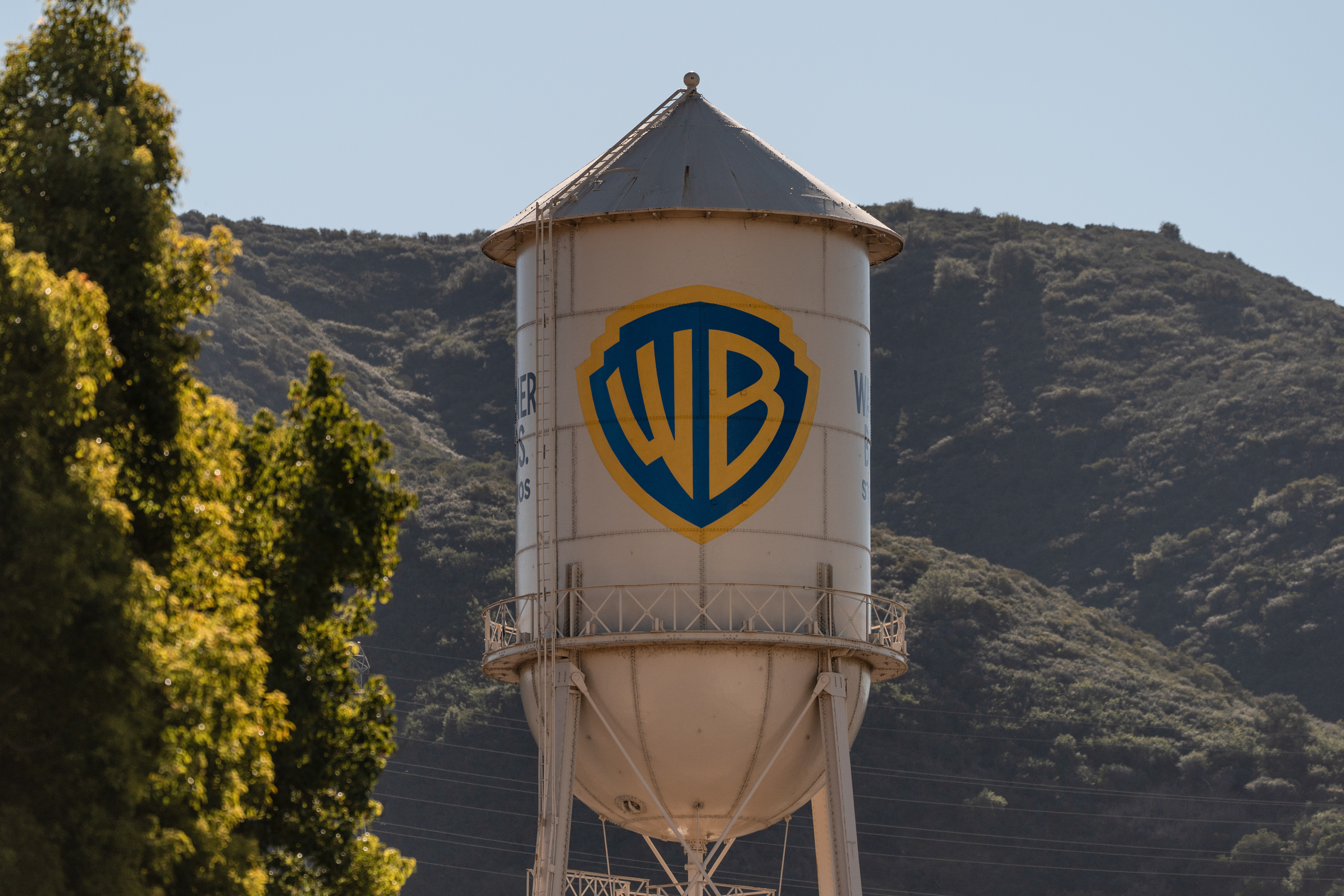
A high-stakes clash is taking shape across the global media landscape, as Paramount intensifies its push to derail Warner Bros. Discovery’s proposed sale to Netflix. Fresh financial sweeteners and strategic assurances highlight how fiercely the fate of one of Hollywood’s most influential content libraries is being contested.
Paramount has once again raised the pressure in its hostile pursuit of Warner Bros. Discovery, unveiling additional financial commitments designed to sway shareholders as the clock ticks toward a potential landmark transaction with Netflix. The latest move reflects not only the scale of ambition behind Paramount’s bid but also the increasingly aggressive tactics shaping consolidation in the entertainment sector.
According to a recent regulatory filing, Paramount, under the leadership of David Ellison, has outlined a plan to provide Warner Bros. Discovery shareholders with quarterly compensation if the company’s deal with Netflix does not finalize as anticipated. Starting in 2027, shareholders would be allotted approximately $650 million for every quarter the closing is postponed, a mechanism designed to ease uncertainty and counterbalance the risks tied to an extended regulatory or contractual timeline.
In a renewed bid to solidify its standing, Paramount has agreed to shoulder the hefty termination fee that Warner Bros. Discovery would be required to pay Netflix if their current agreement were dissolved, a sum of $2.8 billion that ranks among the most notable breakup payments in recent media memory, and by committing to cover it entirely and promptly, Paramount underscores both its financial resolve and its readiness to accept immediate expenses in pursuit of longer-term strategic advantages.
An offer crafted to challenge a rival proposal made entirely in cash
The timing of Paramount’s latest proposal is critical. Warner Bros. Discovery is moving steadily toward finalizing an $83 billion transaction that would transfer its film studios and streaming operations to Netflix. The streaming giant recently strengthened its position by converting its offer into an all-cash deal, a move widely interpreted as an effort to remove financing uncertainty and streamline regulatory review.
Under the Netflix agreement, Warner Bros. Discovery’s traditional cable networks, including CNN, would be separated into a new standalone entity tentatively named Discovery Global. This restructuring has been presented as a way to allow Netflix to focus on premium content and streaming assets, while legacy cable operations face a different growth trajectory.
Paramount’s bid, by contrast, encompasses the entire Warner Bros. Discovery business, including CNN. While Paramount did not raise its headline offer of $30 per share in cash, the company framed its new concessions as enhancements that deliver additional value without altering the base price. David Ellison described the revised terms as offering shareholders greater certainty, reduced exposure to market volatility, and what he characterized as a clearer path through regulatory scrutiny.
The market’s response remained subdued yet clear, as Warner Bros. Discovery shares inched upward after the announcement, hinting that the updated proposal sparked some investor curiosity. Nonetheless, the slight uptick highlighted lingering doubts about whether Paramount’s effort can significantly influence shareholder sentiment at this late point.
Investor pushback and the boundaries of persuasive efforts
Despite Paramount’s escalating commitments, Warner Bros. Discovery has publicly maintained that its shareholders remain overwhelmingly opposed to the hostile bid. The company has stated that more than 93% of its investors are rejecting Paramount’s proposal, describing it as inferior to the Netflix agreement in both value and strategic clarity.
This resistance highlights the challenge Paramount faces in reframing the narrative. While financial sweeteners can reduce certain risks, they do not automatically outweigh the appeal of a clean, all-cash transaction with a dominant player like Netflix. For many shareholders, simplicity, speed, and perceived certainty may matter as much as headline value.
A special shareholder meeting is expected to take place in late March or early April, setting a near-term deadline for Paramount to change minds. As that date approaches, both sides are intensifying their messaging, aware that investor perception could determine the outcome.
The dynamics also mirror wider changes in how shareholders assess media mergers, as volatile markets and fast‑moving technology push investors to approach intricate integrations and long‑range synergy projections with greater caution. Although Paramount’s proposal includes more protective provisions, it still asks shareholders to embrace a route that is more contentious and less predictable.
Netflix pushes back in the public arena
As Paramount escalates its bid, Netflix has not remained silent. The streaming company has stepped up its public relations efforts, directly challenging the assumptions and implications of Paramount’s proposal. In a recent television interview, Netflix’s chief global affairs officer, Clete Willems, raised concerns about the scale of cost savings Paramount has projected.
Willems highlighted Paramount’s projection of $6 billion in possible synergies, noting that such phrasing frequently acts as a substitute for anticipating substantial job losses, and by presenting the matter around employment and operational upheaval, Netflix is positioning its argument to resonate not only with regulators and policymakers but also with a wider public concerned about effects on the workforce.
This line of reasoning also subtly sets Netflix’s strategy against that of Paramount, presenting Netflix as a buyer driven by expansion and intent on broadening its content ecosystem, while suggesting that Paramount’s proposal might depend more on consolidation and cost reductions to meet its financial objectives.
Willems also responded to reports about a possible Department of Justice review of Netflix’s business conduct, noting that such examinations are standard for major deals. By framing regulatory oversight as a normal step, Netflix seeks to assure investors that its agreement with Warner Bros. Discovery is not unusually exposed to antitrust risks.
Regulatory considerations and strategic positioning
Regulatory oversight weighs heavily on both possible outcomes, as any deal between companies of this magnitude is bound to draw scrutiny from competition authorities, especially amid ongoing worries about consolidation across streaming, content creation, and distribution.
Paramount maintains that its proposal provides a more straightforward route through regulatory review, although the specifics of that assertion continue to be contested. A merger between Paramount and Warner Bros. Discovery would yield a powerful media giant spanning broad film, television, and news portfolios. Despite the potential for antitrust scrutiny, Paramount seems to contend that the merged company’s diversified operations could ease regulatory worries compared with deeper consolidation within the streaming landscape.
Netflix, on the other hand, faces scrutiny as the world’s largest streaming platform. Acquiring Warner Bros. Discovery’s studios and streaming assets would significantly expand its content library and influence, potentially prompting regulators to examine the deal’s impact on competition, pricing, and consumer choice.
The differing regulatory landscapes introduce an added level of complexity for shareholders as they evaluate their choices, with each route presenting its own type and timing of risk. Paramount’s proposal brings the unpredictability of a hostile takeover and potential legal disputes, whereas Netflix’s offer depends on securing regulatory clearance for a major expansion.
The wider landscape surrounding media consolidation
This battle cannot be viewed in isolation. It reflects a broader wave of consolidation reshaping the media and entertainment landscape as traditional studios and broadcasters adapt to the dominance of streaming platforms. Scale has become a critical factor, driving companies to seek mergers that can spread content costs, expand global reach, and compete for subscriber attention.
Paramount’s aggressive pursuit of Warner Bros. Discovery underscores the strategic urgency facing legacy media companies. As streaming economics evolve and advertising revenues remain under pressure, acquiring complementary assets can appear more attractive than organic growth alone.
Netflix, meanwhile, reflects a different approach to consolidation, choosing not to merge with a peer but to acquire targeted assets that bolster its core streaming strategy; by concentrating on Warner Bros. Discovery’s studios and streaming units, Netflix aims to broaden its content pipeline while stepping away from operations that do not fit its long-term vision.
For investors, the result of this contest will indicate how consolidation may unfold in the next few years. A win for Paramount would imply that traditional media firms can still influence the industry’s direction through ambitious takeovers. A completed Netflix deal would strengthen the idea that streaming‑first companies maintain the advantage.
Market reaction and investor calculation
The slight rise in Warner Bros. Discovery’s stock price after Paramount’s announcement signals restrained optimism rather than full support, as investors seem to balance Paramount’s added safeguards against the more predictable nature of Netflix’s all-cash proposal.
Quarterly compensation for delayed closure and coverage of termination fees address specific financial risks, but they do not eliminate broader concerns about execution, integration, and strategic direction. Shareholders must consider not only immediate payouts but also the long-term value of their investment under each scenario.
Paramount’s decision not to increase its per-share bid could likewise lessen its overall allure, and although adjustments might heighten the perceived value, some investors may regard a higher headline price as a more explicit sign of confidence and commitment.
An escalating contest with limited time
As the upcoming shareholder meeting draws near, both Paramount and Netflix are poised to ramp up their campaigns, with Paramount potentially polishing its proposal further or amplifying its narrative around stability and sustained value, while Netflix is expected to highlight the benefits of its simplified deal structure and its strategy focused on long-term expansion.
The situation underscores that mergers of this scale now unfold not just within corporate meeting rooms or regulatory halls, but equally in the arena of public sentiment, where discussions about employment, competitive influence, and consumer effects increasingly shape how companies present their proposals.
In the end, Warner Bros. Discovery’s shareholders hold the final say, and their decision will shape the company’s trajectory as well as influence the media industry’s power dynamics at this critical juncture.
Whether Paramount’s latest financial assurances will be enough to disrupt a deal that appears close to completion remains uncertain. What is clear is that the contest has entered a decisive phase, with billions of dollars, thousands of jobs, and the future shape of global entertainment hanging in the balance.
.jpg "How to Set Up an Offshore Company in Panama")
.jpg "Panama Pensionado Visa Requirements 2026")