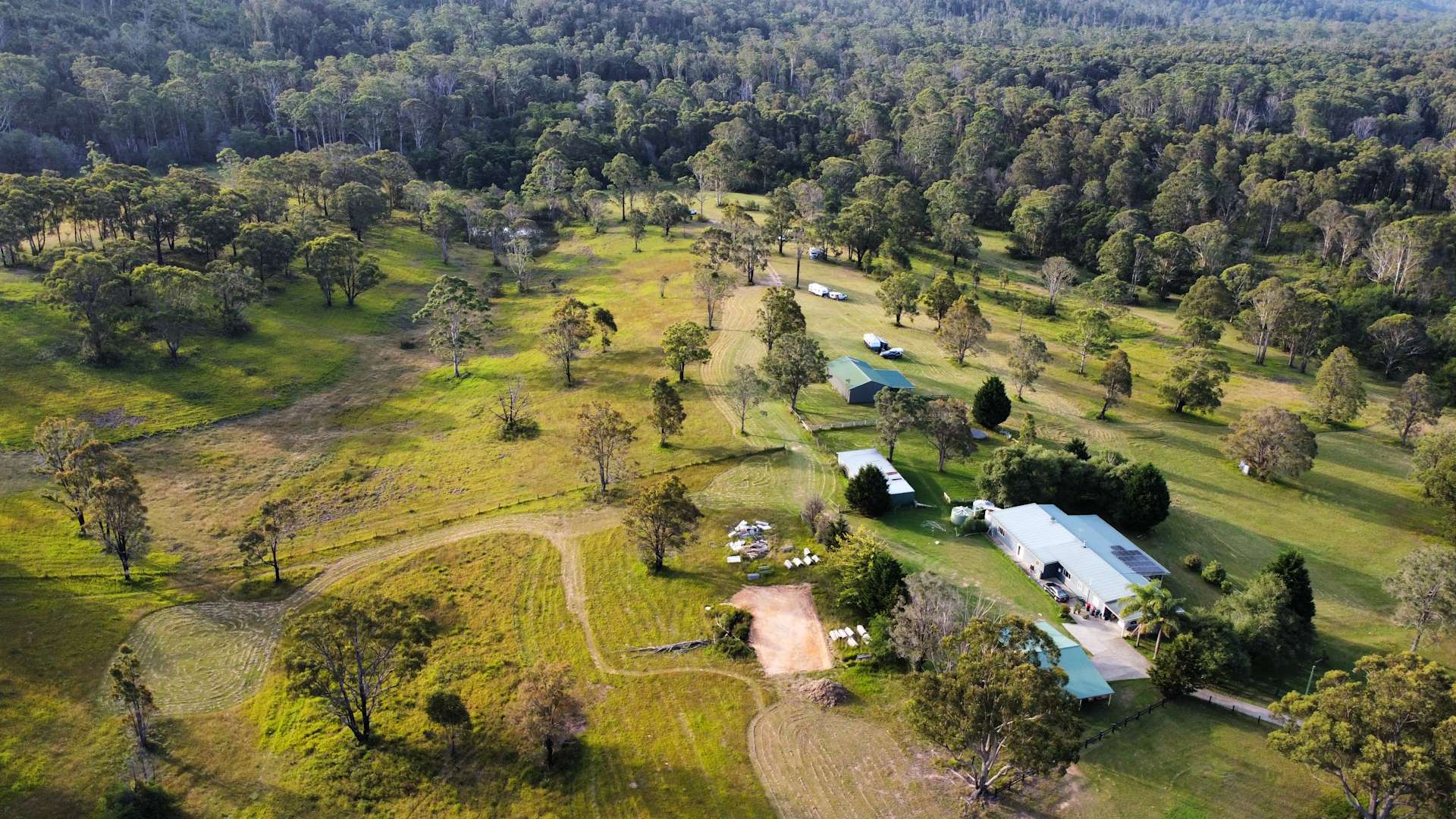
In a time when deforestation and habitat loss threaten countless species, the World Land Trust demonstrates how focused, practical conservation can make a tangible difference. By securing critical ecosystems and empowering local communities, the organization has become a model for preserving biodiversity on a global scale.
Since its establishment in 1989, the World Land Trust (WLT) has focused on safeguarding some of the world’s most fragile landscapes. Its mission is straightforward and action-driven: obtain ecologically vital land, protect it permanently, and delegate its stewardship to local partners who comprehend the environment and the communities reliant on it. This strategy guarantees that conservation initiatives are not only effective but also sustainable, aligning with both ecological and social priorities.
Safeguarding land via community collaborations
Central to the WLT’s work is the “Buy an Acre” programme, a campaign that allows donors to contribute directly to the purchase and preservation of endangered habitats. This initiative has supported the protection of millions of acres worldwide, ranging from the tropical rainforests of South America to the cloud forests of Asia. By creating secure spaces for wildlife, the programme helps shield species from the ongoing threats of deforestation, agricultural expansion, and urban development.
Rather than establishing offices in every country where it operates, the WLT collaborates with trusted local organizations. These partners manage the land on the ground, ensuring that conservation efforts reflect local ecological and cultural knowledge. This decentralized model not only strengthens community engagement but also fosters employment opportunities and encourages long-term stewardship. By involving local stakeholders directly, the WLT avoids the pitfalls of external imposition and instead promotes a shared sense of responsibility for natural resources.
“`html
Linking ecosystems and rejuvenating habitats
“`
The Trust’s initiatives go beyond simply acquiring land. Efforts also include protecting existing habitats and reconnecting fragmented landscapes. By establishing ecological corridors between isolated reserves, the WLT enables wildlife to move freely across landscapes, supporting both species survival and broader ecosystem health. These corridors are essential for maintaining biodiversity, allowing animals to access food, breeding grounds, and safe migration routes, which is increasingly important as human activities continue to alter natural habitats.
In addition, the WLT’s Carbon Balanced programme offers a practical way for individuals and organizations to mitigate their carbon footprint. By funding reforestation and forest protection projects, participants contribute directly to climate mitigation while simultaneously supporting the preservation of critical ecosystems. This dual approach highlights the interconnectedness of biodiversity conservation and climate action, emphasizing that protecting forests can yield multiple environmental benefits, from carbon sequestration to water regulation and habitat provision.
“`html
Preserving Nature as a Worldwide Necessity
“`
The strategies of The World Land Trust are closely aligned with the United Nations’ Sustainable Development Goals, especially the goal of protecting life on land. In an era marked by increasing environmental challenges, the WLT illustrates that significant conservation can be achieved through trust, collaboration, and well-defined objectives. By emphasizing local expertise and practical action, the Trust demonstrates that impactful results do not always necessitate complex bureaucracy but rather a dedicated commitment to preserving natural resources.
The organization’s efforts also offer a framework for tackling the dual challenges of climate change and biodiversity loss. By safeguarding essential habitats, linking fragmented landscapes, and involving communities, the WLT addresses various environmental problems at once. Its achievements demonstrate that coordinated, community-led conservation projects can yield enduring ecological and social advantages, providing a template for policymakers and environmental professionals globally.
Building a legacy of sustainable conservation
As environmental pressures continue to mount, the World Land Trust emphasizes the importance of leaving a lasting conservation legacy. Each project reinforces the idea that safeguarding even small areas of habitat can have outsized impacts, protecting species and ecosystems for generations to come. Through education, outreach, and practical stewardship, the WLT empowers communities to become active participants in conservation, ensuring that the benefits of protected land are shared widely and sustainably.
The organization’s model also underscores the value of targeted interventions. By carefully selecting high-priority areas for protection, WLT maximizes the ecological and social return on each conservation investment. This approach ensures that limited resources are used efficiently, producing measurable results that contribute to the global effort to preserve biodiversity.
The World Land Trust exemplifies how practical, locally empowered conservation can address some of the most pressing environmental challenges of our time. Through land acquisition, habitat restoration, community collaboration, and carbon-offset initiatives, the Trust protects ecosystems, supports biodiversity, and combats climate change. Its philosophy proves that conservation success relies not solely on scale or bureaucracy but on trust, collaboration, and the belief that every acre of protected land is a step toward a healthier, more resilient planet.