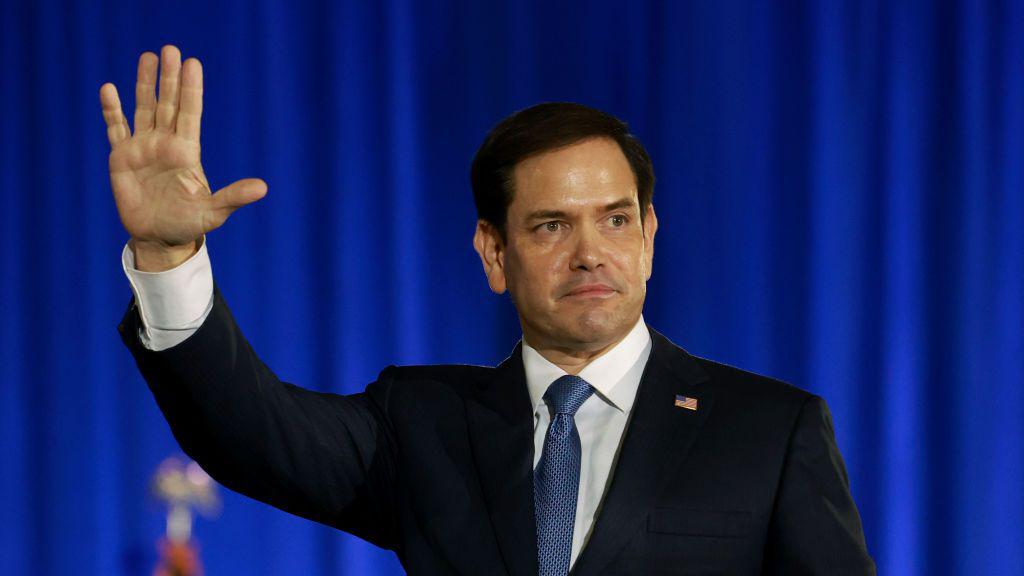
In a notable case highlighting the increasing dangers linked to artificial intelligence, an unidentified person allegedly utilized AI resources to imitate U.S. Senator Marco Rubio and contacted government officials from other countries. This occurrence, involving online trickery on a global scale, emphasizes the developing issues that arise from the swift progress of artificial intelligence and its abuse in political and diplomatic spheres.
The impersonation, which has caught the attention of security experts and political analysts alike, involved the use of AI-generated communications crafted to mimic Senator Rubio’s identity. The fraudulent messages, directed at foreign ministers and other high-ranking officials, aimed to create the illusion of legitimate correspondence from the Florida senator. While the precise content of these communications has not been disclosed publicly, reports suggest that the AI-driven deception was convincing enough to raise initial concerns among recipients before the hoax was discovered.
Instances of digital impersonation are not new, but the integration of sophisticated artificial intelligence tools has significantly amplified the scale, realism, and potential impact of such attacks. In this case, the AI system appears to have been employed to replicate not only the senator’s written voice but potentially also other personal identifiers, including signature styles or even voice patterns, although confirmation on whether voice deepfakes were used has not been provided.
The incident has sparked renewed debate over the implications of AI in cybersecurity and international relations. The capacity for AI systems to generate highly believable fake identities or communications poses a threat to the integrity of diplomatic channels, raising concerns over how governments and institutions can safeguard against such manipulations. Given the sensitive nature of communications between political figures and foreign governments, the possibility of AI-generated misinformation infiltrating these exchanges could carry significant diplomatic consequences.
As AI evolves, it becomes harder to distinguish genuine digital identities from fake ones. The rise of AI used for harmful impersonation is a significant issue for those in cybersecurity. AI systems can now generate text resembling human writing, artificial voices, and convincing video deepfakes, leading to potential misuse ranging from minor fraudulent activities to major political meddling.
This particular case involving the impersonation of Senator Rubio serves as a high-profile reminder that even prominent public figures are not immune to such threats. The incident also highlights the importance of digital verification protocols in political communications. As traditional forms of authentication, such as email signatures or recognizable writing styles, become vulnerable to AI replication, there is an urgent need for more robust security measures, including biometric verification, blockchain-based identity tracking, or advanced encryption systems.
The impersonator’s exact motives remain unclear. It is not yet known whether the goal was to extract sensitive information, spread misinformation, or disrupt diplomatic relations. However, the event demonstrates how AI-driven impersonation can be weaponized to undermine trust between governments, sow confusion, or advance political agendas.
Las autoridades de Estados Unidos y sus aliados ya han identificado el naciente peligro de la manipulación con inteligencia artificial en contextos tanto nacionales como internacionales. Las agencias de inteligencia han alertado que la inteligencia artificial podría utilizarse para influir en elecciones, crear noticias falsas, o llevar a cabo ciberespionaje. La incorporación de suplantación política a este creciente catálogo de amenazas impulsadas por inteligencia artificial requiere de respuestas políticas urgentes y el diseño de nuevas estrategias defensivas.
Senator Rubio, recognized for his involvement in discussions about international relations and national safety, has not publicly provided a detailed comment regarding this particular event. Nevertheless, he has earlier voiced his worries about the geopolitical threats linked to new technologies, such as artificial intelligence. This situation further contributes to the overall conversation about how democratic systems need to adjust to the issues presented by digital misinformation and synthetic media.
Internationally, the use of AI for political impersonation presents not only security challenges but also legal and ethical dilemmas. Many nations are still in the early stages of drafting regulations around the responsible use of artificial intelligence. Current legal frameworks are often insufficient to address the complexities of AI-generated content, especially when it is used in cross-border contexts where jurisdictional boundaries complicate enforcement.
Falsifying the identities of political leaders is particularly worrisome due to the possibility that such scenarios could lead to international conflicts. A fake message that appears to come from a legitimate governmental figure, if distributed at a strategic moment, might result in tangible outcomes such as diplomatic tensions, trade sanctions, or even more severe repercussions. This threat highlights the importance of global collaboration in implementing guidelines for AI technology use and creating mechanisms for the quick authentication of crucial communications.
Cybersecurity professionals emphasize that while technical solutions are essential, human awareness remains a critical line of defense. Training officials, diplomats, and other stakeholders to recognize signs of digital manipulation can help mitigate the risk of falling victim to such schemes. Additionally, organizations are being encouraged to adopt multi-layered authentication systems that go beyond easily replicated identifiers.
This event involving Senator Rubio’s impersonation is not the first time that AI-driven deception has been used to target political or high-profile individuals. In recent years, there have been multiple incidents involving deepfake videos, voice cloning, and text generation aimed at misleading the public or manipulating decision-makers. Each case serves as a warning that the digital landscape is changing, and with it, the strategies required to defend against deception must evolve.
Specialists foresee that with the growing accessibility and user-friendliness of AI, both the occurrence and complexity of these types of attacks will continue to rise. Open-source AI frameworks and readily accessible tools reduce the entry threshold for harmful individuals, allowing even those with minimal technical skills to carry out campaigns of impersonation or misinformation.
In response to these dangers, various tech firms are developing AI detection technologies that can recognize artificially generated content. Meanwhile, governments are considering legislation to penalize the harmful use of AI for impersonation or spreading false information. The difficulty is in finding a balance between progress and safety, making sure that positive AI uses can continue to grow without becoming vulnerable to misuse.
The recent occurrence highlights the necessity of public understanding regarding digital genuineness. In a setting where any communication, clip, or audio file might be artificially created, it becomes crucial to think critically and assess information with care. Individuals and organizations alike need to adjust to this evolving reality by checking the origins of information, being skeptical of unexpected messages, and taking preventive steps.
For governmental bodies, the consequences are especially significant. Confidence in messaging, both within and outside the organization, is crucial for successful governance and international relations. The deterioration of this trust due to AI interference might significantly impact national safety, global collaboration, and the solidity of democratic institutions.
As authorities, companies, and people confront the repercussions of the inappropriate use of artificial intelligence, the demand for thorough solutions grows more pressing. Tackling the issues of AI-powered impersonation involves developing AI detection systems and creating worldwide standards and regulations, necessitating a collaborative, multi-dimensional strategy.
The simulation of Senator Marco Rubio with the use of artificial intelligence serves not only as a warning story—it offers a peek into a future where reality can be effortlessly fabricated, and where the genuineness of all forms of communication could be doubted. How communities deal with this issue will determine the nature of the digital environment for many years ahead.