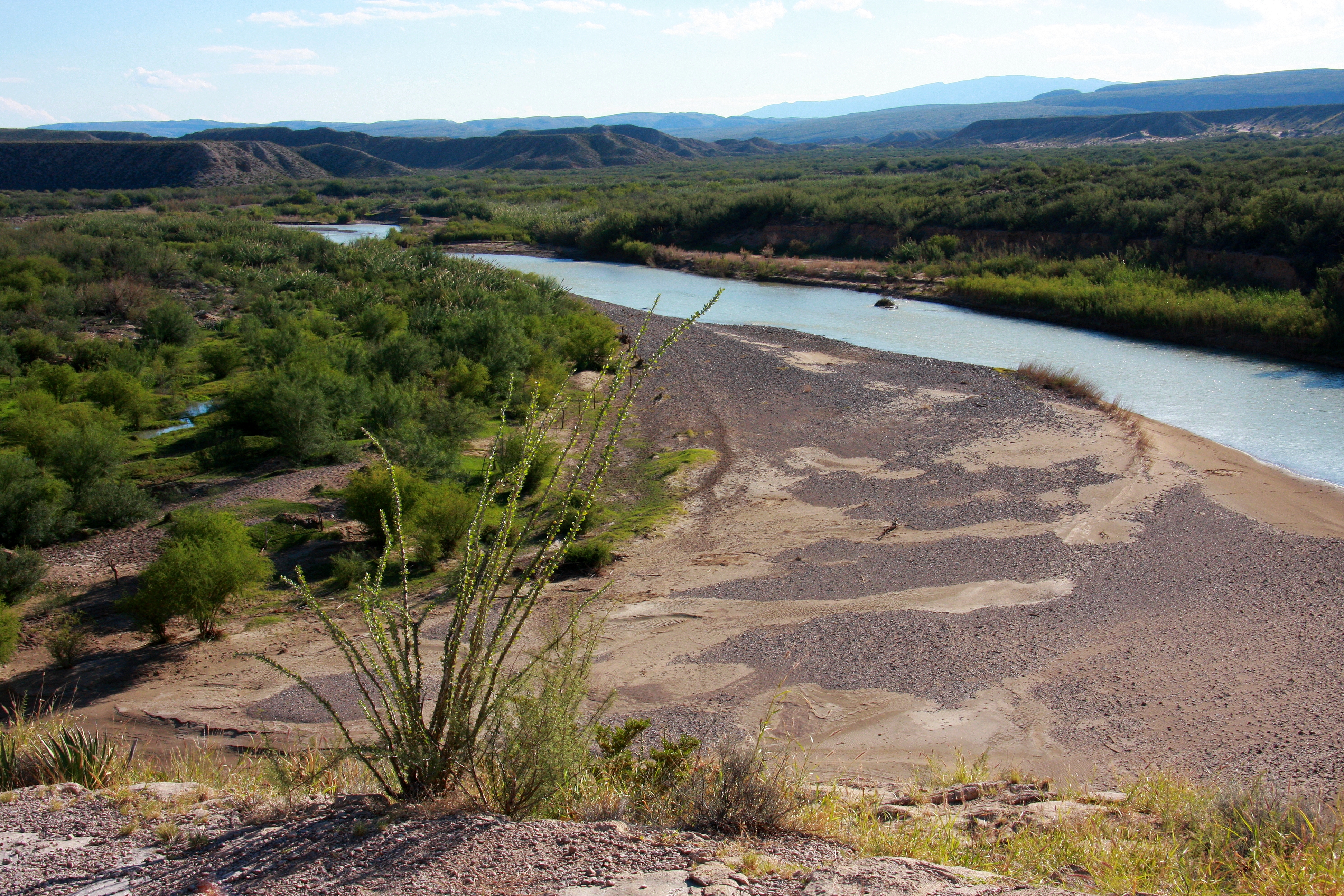
A persistent conflict between the United States and Mexico regarding water-sharing responsibilities is escalating. This is due to sustained drought, increasing temperatures, and changing rainfall patterns putting exceptional strain on vital river systems at the border. Central to the matter is a complicated bilateral treaty that regulates the distribution of water from the Rio Grande and the Colorado River, which are crucial for farming, city water supply, and environmental stability in both countries.
The 1944 Water Treaty, a landmark accord signed more than 80 years ago, outlines how water from these rivers is to be divided. Under its terms, the United States delivers water from the Colorado River to Mexico, while Mexico must release water from its tributaries into the Rio Grande to support U.S. communities downstream, particularly in Texas. While the treaty has largely held up over the decades, growing environmental stressors and demographic demands have placed the arrangement under renewed strain.
In recent times, Mexico has faced difficulties fulfilling its delivery commitments, especially during severe droughts. The latest shortfall has stirred up discontent among American authorities, mainly in southern Texas, where residents, agricultural producers, and water regulators depend greatly on the Rio Grande’s water for irrigation and public needs. As the pressure increases, demands for diplomatic action and treaty compliance have grown louder, with local parties cautioning about significant economic and environmental impacts if the issue remains unresolved.
Mexican authorities, on their side, cite the severity of drought across northern states such as Chihuahua, where reservoirs are at historic lows and competing domestic demands limit the government’s ability to release additional water for export. With agricultural regions in Mexico also facing crop failures and rural communities struggling with water scarcity, officials have argued that the treaty’s framework must be interpreted with flexibility during extreme conditions.
The international water conflict highlights a worldwide issue: the fair allocation of shared resources that traverse country borders amidst climate instability. Although the 1944 agreement provides methods for resolving conflicts and fostering cooperation during tough periods, the wording—crafted in a vastly different climatic context—does not completely foresee the magnitude or severity of current environmental challenges.
To address these gaps, both countries have worked through the International Boundary and Water Commission (IBWC), a binational agency tasked with implementing the treaty and resolving disputes. Through formal meetings and technical discussions, the IBWC seeks to maintain diplomatic dialogue and prevent the conflict from escalating. However, recent talks have yielded limited progress, and time is becoming a critical factor as agricultural seasons begin and urban water demand grows.
In the Rio Grande Valley of Texas, farmers are expressing alarm over dwindling water allocations, which directly impact crop yields and the economic viability of local agriculture. Some irrigation districts have reported drastic reductions in water availability, forcing growers to scale back production or abandon planting altogether. These shortages not only affect food supply chains but also ripple through regional economies that depend on agriculture for jobs and revenue.
Municipalities along the border are also voicing concern. With population growth accelerating in both the United States and Mexico, urban areas are placing greater demands on limited water supplies. In cities like El Paso and Ciudad Juárez, officials are working to diversify water sources, invest in infrastructure, and implement conservation measures—but these efforts may not be enough if cross-border deliveries continue to decline.
Climate change is exacerbating the problem. Warmer temperatures are reducing snowpack in the Rocky Mountains, a major source of flow for the Colorado River, while more erratic rainfall patterns make it harder to plan and manage reservoir releases. Scientists warn that without significant adaptation, current water-sharing frameworks could become increasingly untenable, leading to greater friction between neighboring countries.
In light of the escalating crisis, a number of policymakers are advocating for an update to the 1944 treaty or the creation of additional accords that align with contemporary hydrological conditions. These suggestions encompass improved data exchanges, collaborative investments in conservation and infrastructure, and more flexible management approaches that consider the changing necessities and potential of both nations.
Others advocate for a more regional approach, involving stakeholders beyond federal governments—such as state agencies, local water districts, farmers, and environmental groups—to collaboratively shape water policy. Such efforts could foster trust, improve transparency, and generate innovative solutions that benefit both sides of the border.
The scenario highlights the necessity of considering water as more than just a marketable product; it is a collective resource demanding careful management, diplomatic efforts, and strength. Successful water management, especially across borders, should be rooted in collaboration, fair practices, and scientifically informed strategies. As climate challenges intensify, nations sharing waterways, such as rivers, lakes, and aquifers, will face a greater need for collaborative efforts to maintain joint sustainability.
For now, officials in both countries remain engaged in negotiations, but the challenges ahead are significant. With weather patterns becoming more extreme and resource scarcity more common, the need for durable, flexible, and forward-looking agreements is greater than ever.
The contention regarding the water distribution of the Rio Grande and Colorado River is more than just a local concern—it offers a glimpse into the potential water diplomacy issues that countries globally might encounter in the years ahead. The developments at the U.S.–Mexico border could exemplify—or caution—how to handle the intricate challenges of managing shared water resources in an increasingly warm climate.