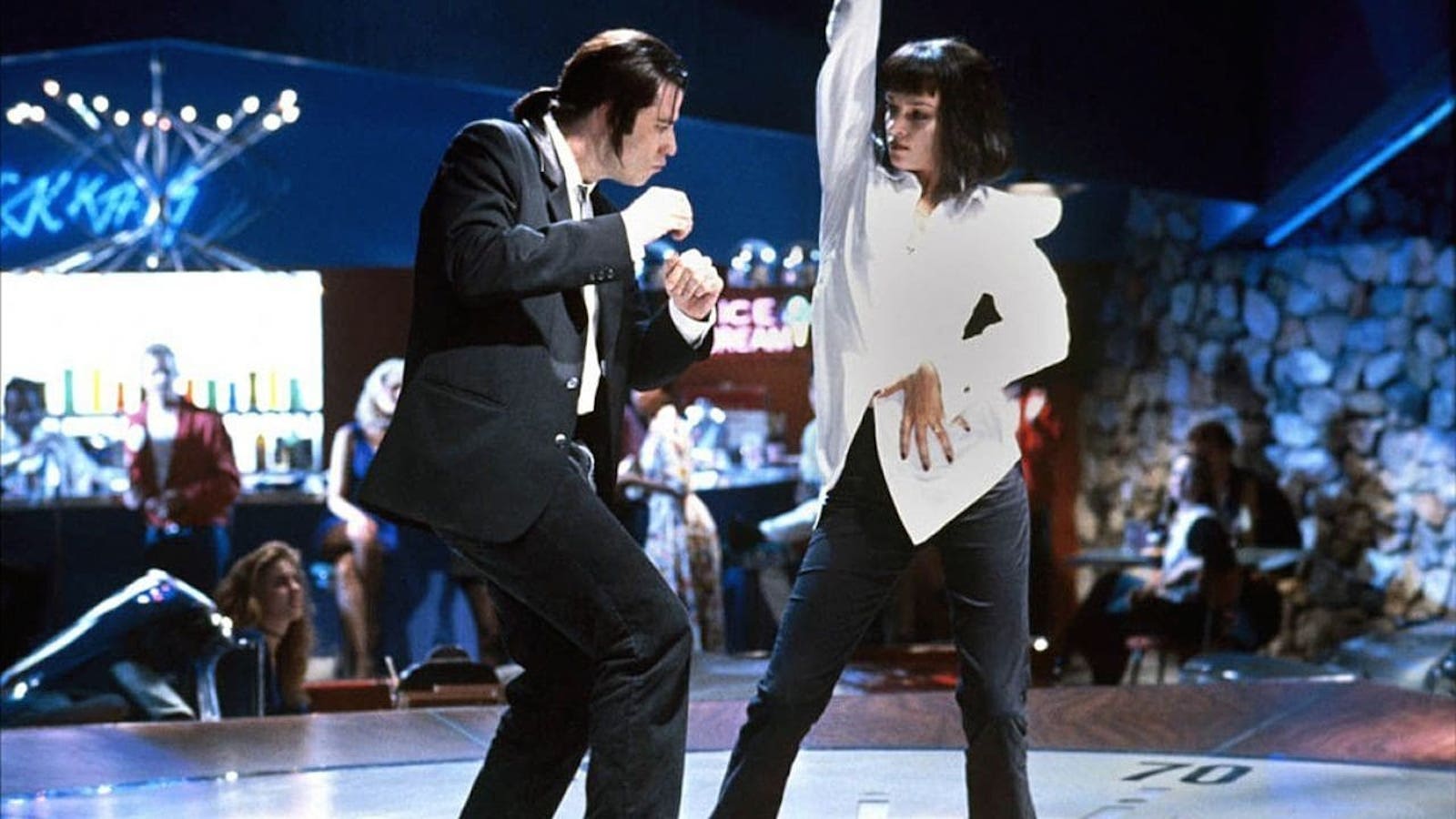
The Impact of ‘Pulp Fiction’ on Indie Film
Pulp Fiction, directed by Quentin Tarantino and released in 1994, is widely acknowledged as a groundbreaking film in the world of independent cinema. Its influence goes well beyond its novel storytelling and distinctive violence, serving as a pivotal moment for both filmmakers and the broader film industry.
Background Overview: The Condition of Independent Film Before 1994
To appreciate what Pulp Fiction represents, it is essential to understand the landscape of independent cinema before its emergence. During the late 1980s and early 1990s, independent films often struggled to attract mainstream audiences. Although festivals like Sundance and Cannes gave a platform to indie productions, most independent releases were characterized by low budgets, limited distribution, and minimal box office presence. Notable exceptions like Sex, Lies, and Videotape (1989) hinted at the potential for broader appeal, but barriers persisted regarding commercial viability.
Production Model: Budget, Studio, and Distribution
Pulp Fiction was developed by Miramax Films, a company recognized at the time for backing unique filmmakers. The film was created with a relatively small budget, around eight million dollars, which was much lower than the typical expense for big Hollywood movies of the period. The way the film was funded included some international pre-sale agreements, which are usual for indie films but not frequently seen in American movies aiming at large public audiences.
After premiering at the Cannes Film Festival, where it won the Palme d’Or, Pulp Fiction secured robust distribution deals, enabling its wide release in both arthouse theaters and multiplexes. Its global box office success, grossing over 200 million dollars, demonstrated the commercial potential of independent films when paired with innovative storytelling.
Stylistic Disruption: Breaking Conventional Narratives
One remarkable feature of Pulp Fiction is its non-sequential format. Utilizing a disjointed chronology, Tarantino challenged conventional storytelling norms, crafting a network of intertwined narratives. This technique impacted a host of filmmakers, prompting them to delve into non-linear storytelling, alternate viewpoints, and meta-dialogue. Movies like Go, Run Lola Run, and Memento clearly draw inspiration from the narrative experimentation that Pulp Fiction made popular.
The dialogue in the film stands out as a notable feature. Tarantino’s script mixes casual small talk with references from popular culture, turning simple dialogues into scenes filled with tension and comedy. This approach questioned the common belief that independent films needed to be serious or overly artistic to succeed.
Cultural Impact and Genre Hybridization
Beyond its narrative techniques, Pulp Fiction is noted for its genre blending. The film fuses crime, black comedy, and neo-noir elements, invoking the pulp magazines of mid-century America while infusing them with ironic distance and contemporary sensibility. This hybridization allowed independent cinema to break free from restrictive genre labels and embrace eclectic influences.
The film’s soundtrack further illustrates its innovative approach. By featuring an eclectic mix of rock, soul, and surf music, Pulp Fiction demonstrated how music curation could become integral to a film’s identity—an idea that shaped subsequent independent projects.
Changing the Business of Independent Filmmaking
Perhaps more importantly, Pulp Fiction changed how people viewed the potential of independent films. It demonstrated that a movie made outside the traditional studio system, led by a director’s unique vision instead of group decisions, could reach both critical success and wide audience appeal. Miramax’s approach to marketing the film—highlighting its edgy and relatable qualities—set a new standard for advertising upcoming independent movies.
The immediate impact was felt far and wide. Studios started pouring resources into smaller branches dedicated to independent cinema. The careers of actors such as John Travolta, Uma Thurman, and Samuel L. Jackson were rejuvenated, showcasing how indie productions could be crucial platforms for renowned actors looking for artistic renewal.
Legacy: Lasting Influence on Filmmaking and Culture
Over subsequent years, Pulp Fiction motivated numerous directors to explore distinctive cinematic perspectives. Its aesthetic—characterized by extended shots, atypical camera viewpoints, and stylized aggression—turned into a visual language embraced by both independent and major studio films. The film’s achievements at prominent award shows, such as the Academy Awards and Golden Globes, validated independent films in the perception of industry players.
Today, references to Pulp Fiction permeate pop culture, underscoring its status as a touchstone for creative risk-taking. From homages in television to parodies in advertising, its influence can be traced across mediums.
Synthesis: The Symbolic Role of ‘Pulp Fiction’ in Independent Cinema
Pulp Fiction serves as an emblem of bold artistry and market potential in the realm of independent cinema. By breaking down genre barriers, revolutionizing storytelling techniques, and reaching global success, it paved the way for future filmmakers to harmonize creativity with audience connection. Its lasting impact is a tribute to the energy of films produced outside the mainstream, encouraging upcoming creators to defy norms and reshape film traditions.