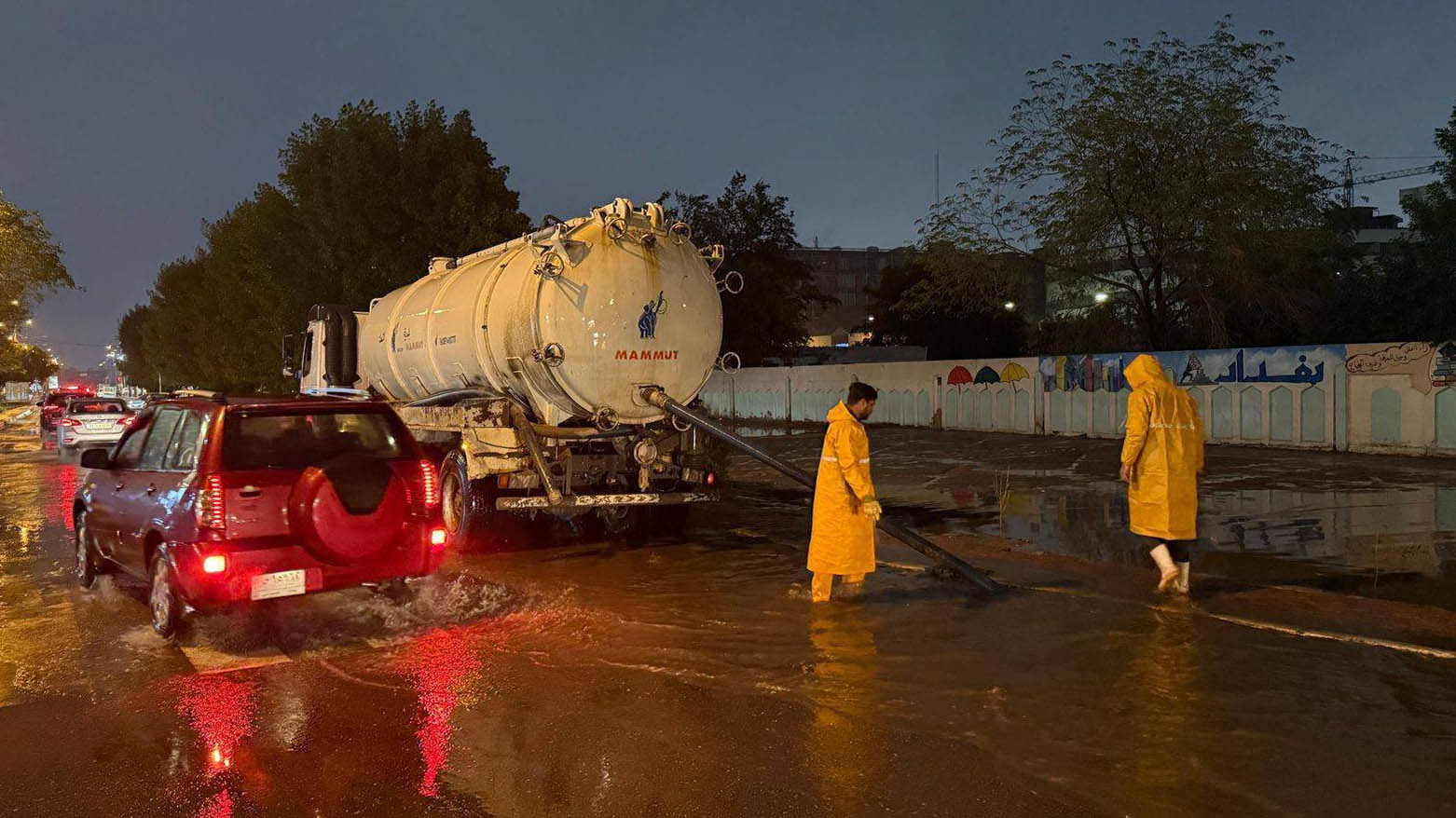
Heavy rainfall surged through areas of New Jersey and New York City, causing abrupt and perilous flash floods that led to the deaths of two individuals and left communities dealing with the consequences. The significant precipitation, which overpowered drainage systems and inundated roads, residences, and transit routes, serves as another reminder of the increasing occurrence and intensity of extreme weather incidents in the northeastern United States.
Emergency services were deployed to numerous sites as water levels surged swiftly, flooding roads, immobilizing drivers in water-logged cars, and compelling some residents to leave their homes. The storm arrived abruptly, surprising many, although weather warnings had been communicated earlier that day. By the evening, officials had verified two deaths—one occurred in New Jersey and one in New York City—both associated with flooding events.
In New Jersey, local officials reported that a person drowned after being caught in rising waters near a residential area. First responders attempted a rescue but were unable to reach the individual in time due to the strength and speed of the current. In New York City, emergency crews found the body of another victim in a flooded basement apartment in Queens—a borough often hit hard during storms due to its low-lying terrain and aging infrastructure.
Both fatalities underscore the rapid deterioration that can occur during sudden floods, showing that even city landscapes can’t resist nature’s power when inundated by water. Meteorologists tracking the weather event noted that the amount of rain that fell in one afternoon was exceptional. Certain areas experienced over three inches of precipitation in merely an hour, far exceeding the capabilities of typical stormwater systems to handle effectively.
The subway service in New York City encountered significant delays and temporary stoppages, especially on routes that navigate through low-lying tunnels and stations vulnerable to water seepage. Travelers encountered severe disruptions during the late afternoon peak period, and a number of stations had to be fully shut down as teams labored to remove water and evaluate the damage. In New Jersey, multiple roads, including key highways and bridges, became non-navigable as floodwaters rose above sidewalks and submerged car tops.
City and state officials held press briefings urging residents to stay indoors, avoid driving unless absolutely necessary, and heed evacuation advisories when issued. Mayor Eric Adams of New York and Governor Phil Murphy of New Jersey both emphasized the importance of preparedness and expressed condolences to the families affected by the tragedy. They also pledged to review infrastructure vulnerabilities and accelerate efforts to improve flood resilience across the region.
Experts on climate indicate that shifting weather patterns play an essential role in the rise of frequent extreme events. Warmer atmospheric conditions driven by climate change enable the air to retain more moisture, which causes heavier rainfall during storms. Cities with extensive concrete surfaces and minimal green spaces often face the harshest impacts, as water runoff lacks proper drainage routes, causing quick buildup and hazardous sudden floods.
Communities in both areas are already accustomed to the dangers brought by climate-related disasters. Incidents like Hurricane Ida, Superstorm Sandy, and other recent summer storms have revealed the flaws in stormwater infrastructures, construction regulations, and emergency management plans. Although advancements have been achieved over the last ten years, numerous specialists believe that considerably more funding and forward-thinking strategies are necessary to guarantee protection against upcoming climate hazards.
Residents who experienced flooding during this storm described terrifying scenes of water gushing through basement windows, manhole covers erupting under pressure, and vehicles being swept away. Some recounted being forced to wade through waist-deep water to reach higher ground, while others were rescued by emergency crews using inflatable rafts and high-water vehicles.
Temporary shelters were established to house individuals who were forced to leave their homes due to the flooding. A multitude of families looked for short-term accommodations as the clean-up efforts commenced, and energy companies labored to reinstate electricity to regions affected by storm-induced blackouts. Health authorities released advisories regarding possible pollution in the floodwaters and strongly recommended that individuals steer clear of contact, highlighting worries about bacteria, sewage, and debris.
The financial impact of the storm is still under assessment, but initial figures point to substantial harm to public infrastructure, private assets, and business premises. Entrepreneurs with small businesses in the impacted areas are now dealing with expenses for cleaning up, loss of stock, and business service disruptions, all of which compound the financial pressure already brought on by recent inflation and supply chain issues.
Insurance companies are getting ready for an increase in claims concerning flood damage. Nevertheless, numerous property owners in areas susceptible to flooding might discover they are insufficiently protected, as typical policies frequently omit incidents related to water unless separate flood insurance is acquired. This shortfall in protection has been a source of debate for quite some time, particularly in communities where flooding occurs more frequently, even though they are not labeled as high-risk on obsolete federal maps.
Considering the future, the storm has rekindled discussions about how urban and regional areas can better adjust to a changing climate environment. Specialists advise a comprehensive strategy that involves modernizing drainage infrastructures, increasing the use of absorbent surfaces to soak up rainwater, improving emergency communication guidelines, and investing in advanced early warning systems that provide more precise notifications.
In New York and New Jersey, the recollection of previous catastrophes remains vivid, and the recent storm will probably lead to increased demands for changes in policies and updates to infrastructure. With the ongoing effects of climate change on the surroundings, cities must adapt in order to safeguard lives, jobs, and community resources.
The unfortunate loss of lives in the most recent incident acts as a grim reminder of the significant risks involved. As the area heals, authorities, planners, and locals are being called upon to collaborate in constructing resilience, not only for the upcoming storm but also for a future where these storms are no longer uncommon.