

Researchers and medical authorities are stressing that its presence is not temporary but a reality the nation must address with sustained monitoring, prevention, and education campaigns.
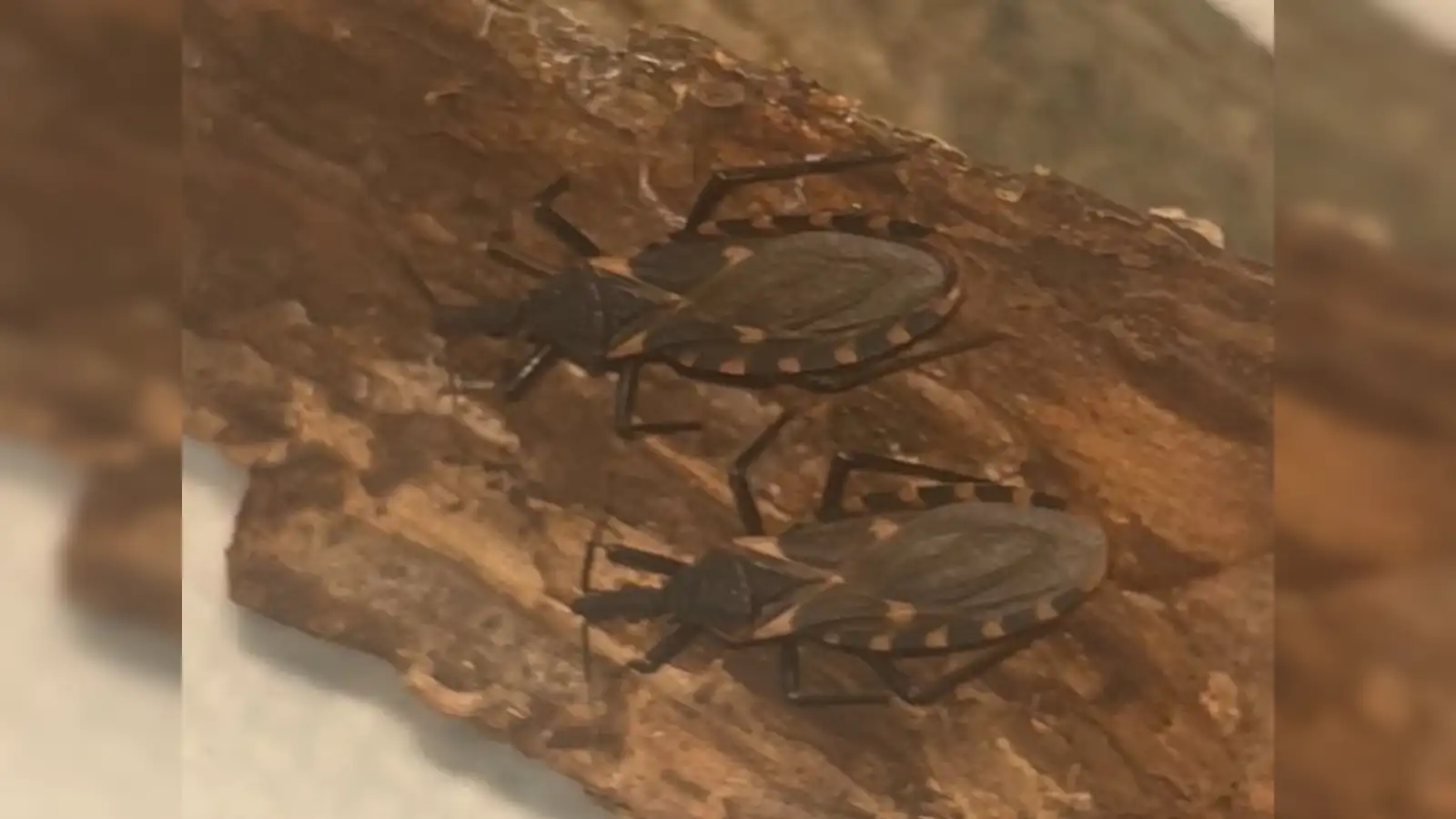
At the heart of this health predicament lies the triatomine bug, often referred to as the kissing bug due to its habit of biting individuals near the mouth or eyes during sleep. When carrying the Trypanosoma cruzi parasite, these bugs can transmit the infection to humans, causing Chagas disease. The illness typically progresses quietly, potentially leading to chronic issues, particularly affecting the heart and digestive system, many years after the initial infection. The discreet nature of the disease, along with the limited awareness among both patients and healthcare providers, makes it particularly challenging to manage.
Why the disease is spreading across the United States
One of the primary reasons for the growing presence of Chagas disease is environmental change. Warmer climates, extended insect breeding seasons, and human encroachment into previously rural or wild areas have created favorable conditions for triatomine bugs. States in the southern U.S., such as Texas, Arizona, and New Mexico, already report regular sightings of these insects, and their range continues to expand.
Another factor lies in increased mobility and migration. Populations from areas where Chagas disease has been historically endemic are contributing to a rise in diagnosed cases, as some individuals unknowingly carry the infection acquired abroad. Combined with local transmission risks, this has broadened the scope of the public health challenge. Medical experts emphasize that the problem is no longer an imported one alone but now involves domestic transmission as well.
Adding complexity to the situation is the low level of public awareness. Many people have little to no knowledge of the kissing bug or the risks it poses, which delays diagnosis and reduces preventive measures. Moreover, the subtle nature of early symptoms means that infected individuals may live for years without realizing they have contracted the disease, until complications emerge much later in life.
Public health concerns and the long-term risks
The World Health Organization has long categorized Chagas disease as a neglected tropical illness, but its rising prevalence in the United States highlights the need for stronger local responses. Chronic cases can result in severe cardiac problems, including arrhythmias, heart failure, and even sudden death. Digestive complications such as enlarged esophagus or colon are also possible, further underlining the seriousness of the infection.
Public health officials encounter numerous hurdles in managing this illness. Screening initiatives are scarce, access to advanced diagnostic tests is inconsistent, and although treatments exist, they prove most effective during the initial phases. Discovering cases later typically diminishes the success of treatments, exposing patients to potential long-term issues. This scenario necessitates collaborative efforts among national health bodies, state organizations, and community clinics to raise awareness and enhance healthcare systems to meet the increasing requirements.
Furthermore, because Chagas can also be transmitted through blood transfusions, organ transplants, and from mother to child during pregnancy, health systems must maintain rigorous screening protocols. In recent years, U.S. blood banks have adopted mandatory testing measures to reduce the risk of transfusion-related transmission, a step experts consider vital in curbing the disease’s spread.
Methods for avoiding problems and community learning
Actions to fight the disease spread by kissing bugs go beyond mere medical interventions. Educating the community is essential for identifying these insects, preventing encounters, and getting quick medical help when needed. Preventive steps involve closing gaps in walls, installing window screens, and reducing the use of outdoor lights that lure bugs. In regions where triatomine bugs are prevalent, regular checks and pest management plans are highly advised.
Healthcare professionals are being encouraged to enhance their understanding of Chagas disease. Numerous U.S. medical practitioners are still not well-versed in recognizing its symptoms, potentially resulting in underdiagnosis or incorrect diagnosis. Educational programs and awareness campaigns are being organized to provide physicians and nurses with the resources needed to diagnose and treat the condition properly. Specialists contend that strengthening medical capabilities is equally essential as public awareness, considering the intricate nature of the disease’s development.
Looking ahead, researchers are investing in new diagnostic techniques and treatments to improve outcomes for infected individuals. Advances in molecular testing offer hope for quicker, more reliable detection, while ongoing studies seek to refine existing therapies or develop new ones. The integration of technology into monitoring and early-warning systems may also help predict outbreaks and identify high-risk areas, allowing preventive resources to be deployed more efficiently.
The rise of kissing bug disease in the United States serves as a reminder of how interconnected environmental change, migration, and public health can be. What was once a distant concern has become an enduring reality, requiring vigilance, resources, and community engagement. Addressing this challenge will mean treating it not as a temporary issue but as part of the evolving health landscape of the nation, where prevention, awareness, and medical innovation will be central to protecting future generations.


