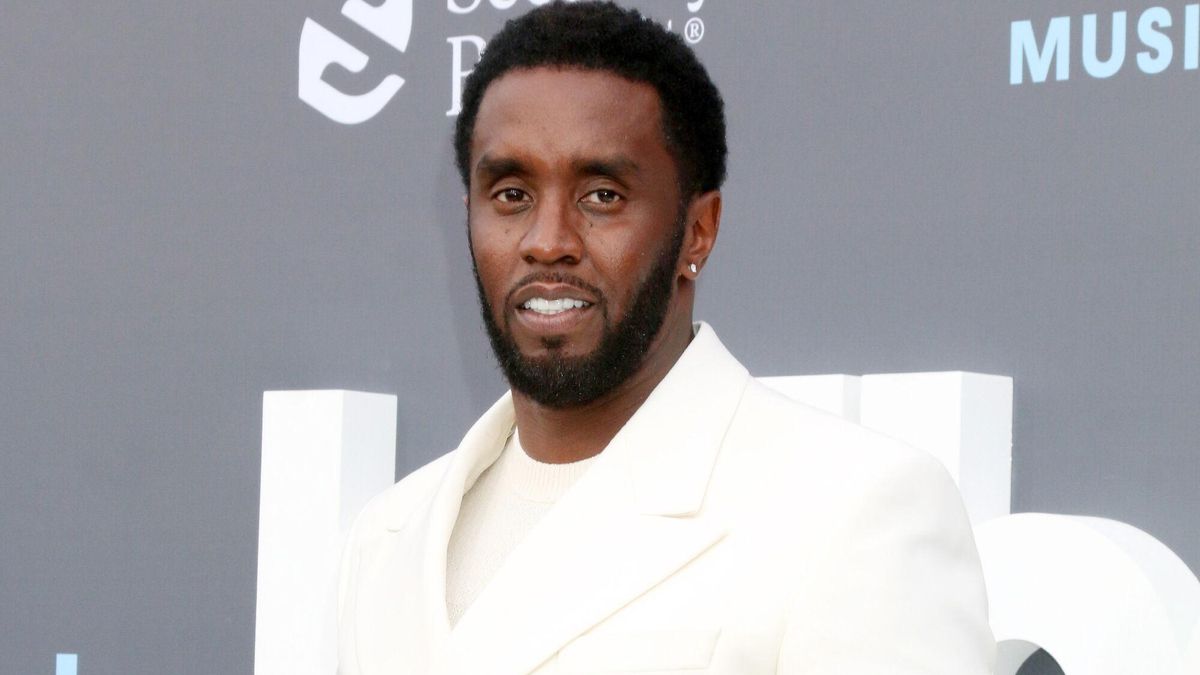
Sean “Diddy” Combs, the renowned music tycoon, businessman, and cultural figure, has been widely recognized for his impact on the entertainment world as well as his various business endeavors. Nonetheless, recent legal issues have sparked concerns about the sustainability and future course of his diverse enterprise. As Diddy deals with growing examination after his conviction, the focus has shifted to the future of his corporate assets and the potential impact on his enduring legacy.
For decades, Combs has been more than just a music producer and performer. He built a diversified portfolio spanning fashion, spirits, media, and entertainment, earning him a place among the most successful celebrity entrepreneurs in the world. His brand, which has consistently combined luxury, exclusivity, and a streetwise sensibility, became synonymous with both artistic innovation and commercial savvy.
Nevertheless, his latest legal challenges have led to discussions about whether these businesses can endure the surge of adverse media coverage and the possible financial and reputation damages that may result from a prominent conviction.
Combs first rose to prominence in the 1990s as the founder of Bad Boy Records, the label responsible for launching the careers of artists such as The Notorious B.I.G., Faith Evans, and Mase. His influence in the music industry extended beyond producing and performing; he was instrumental in shaping the sound and style of an era. But his ambitions stretched far beyond music.
One of his most notable business successes came with the launch of his premium vodka brand, Cîroc, in partnership with Diageo. The brand rapidly became a market leader in the high-end spirits category, with Combs serving not just as a promoter but as a strategic partner, earning substantial profits and transforming the image of vodka in urban nightlife. His involvement with Cîroc became a textbook example of how celebrity partnerships could translate into serious business success.
Alongside Cîroc, Combs explored the fashion industry by creating his clothing brand, Sean John. Established in 1998, Sean John rapidly achieved fame and received positive recognition, winning a CFDA Men’s Designer of the Year award and featuring prominently in leading department stores. The brand was once appraised at hundreds of millions of dollars and played a crucial role in integrating hip-hop culture with conventional fashion.
Diddy’s entrepreneurial reach also extended into the media sector with the establishment of REVOLT TV, a music-focused television network aimed at younger, diverse audiences. REVOLT has carved out a niche space in the competitive digital media landscape by prioritizing urban culture, music, and social commentary, positioning itself as a voice for underrepresented communities.
Nonetheless, Combs’ recent conviction has brought a negative light to these business projects. Legal specialists indicate that well-known convictions can have considerable repercussions not only on individual reputation but also on business collaborations. Stakeholders, business associates, and customers might detach themselves to prevent any link to controversy, especially in fields driven by public opinion and brand perception.
In the case of Cîroc, there is already speculation about whether Diageo and other stakeholders will choose to reevaluate their relationship with Combs. Alcohol brands, particularly in the premium segment, are heavily reliant on image and lifestyle marketing. Any damage to the personal brand of a celebrity partner can have cascading effects on product positioning and consumer trust.
In a similar way, Sean John, despite not being as significant as during its peak, continues to have cultural importance and licensing prospects. Fashion labels, however, are notably vulnerable to controversy, because buyers frequently see their shopping choices as reflections of their individual principles and self-concept.
REVOLT TV, conversely, encounters a more intricate issue. Being a media outlet that frequently addresses matters of social justice, equality, and cultural representation, any link to unlawful actions might jeopardize its trustworthiness with primary viewers. It remains uncertain if the platform can sustain its journalistic autonomy and preserve its standing.
It is worth noting that this is not the first time that Diddy has faced legal or public scrutiny. Throughout his career, he has weathered lawsuits, controversies, and criticism, often emerging with his business interests intact. His resilience and ability to reinvent himself have been key to his long-standing success. However, this latest legal issue is of a different magnitude, and the cumulative impact of repeated controversies could pose a more serious threat to the stability of his empire.
In the business world, reputational risk is a critical factor in sustaining long-term growth and profitability. While some brands can survive temporary setbacks, repeated damage to public perception can erode consumer loyalty, diminish investor confidence, and invite increased regulatory scrutiny.
Some industry analysts suggest that Combs’ best course of action may involve stepping back from the public-facing aspects of his businesses, allowing professional management teams to take greater control. By doing so, his ventures could continue to thrive independently of his personal legal challenges. This approach has been employed by other high-profile figures in the past who faced legal or reputational crises but sought to protect their business interests by distancing themselves from direct involvement.
Legal matters also create financial worries. Possible settlements, legal costs, and other liabilities might affect Combs’ personal fortune and, consequently, his capacity to fund or maintain his different businesses. Although the exact numbers haven’t been revealed, experts estimate that his total assets—which include his interests in Cîroc, Sean John, REVOLT, and other businesses—total several hundred million dollars. Maintaining this worth will demand a strategic legal approach and effective public relations efforts.
From a cultural perspective, this case prompts wider conversations regarding the connection between fame, responsibility, and corporate leadership. In a time when societal values are becoming more pivotal to consumer habits, companies associated with people alleged to have misbehaved encounter increased examination and demands to respond assertively.
This scenario might also emphasize the rising demand for openness and ethical behavior from celebrities who have turned their fame into business achievement. Modern consumers tend to prefer brands that resonate with their own values, and they are becoming more inclined to withdraw support from those linked with disputes or unethical actions.
For Diddy’s fans, business partners, and industry observers, the unfolding events represent both a moment of reckoning and a test of resilience. While the full impact of the legal proceedings is not yet known, the outcome will likely shape not only the future of his business empire but also his place in the cultural landscape.
In the next few months, a significant factor will be how Combs, his legal advisors, and his business partners manage this intricate scenario. Effective mitigation of issues, transparent dialogue, and tactical choices will be crucial for his enterprises to endure challenges and stay significant in a market that increasingly prioritizes values.
No matter the eventual outcome from the legal perspective, the situation acts as a reminder that in our current interconnected society, personal behavior and business achievements are more intertwined than ever. For public personalities such as Sean “Diddy” Combs, protecting both image and ventures necessitates not only business savvy but also a profound awareness of the societal duties associated with celebrity and impact.