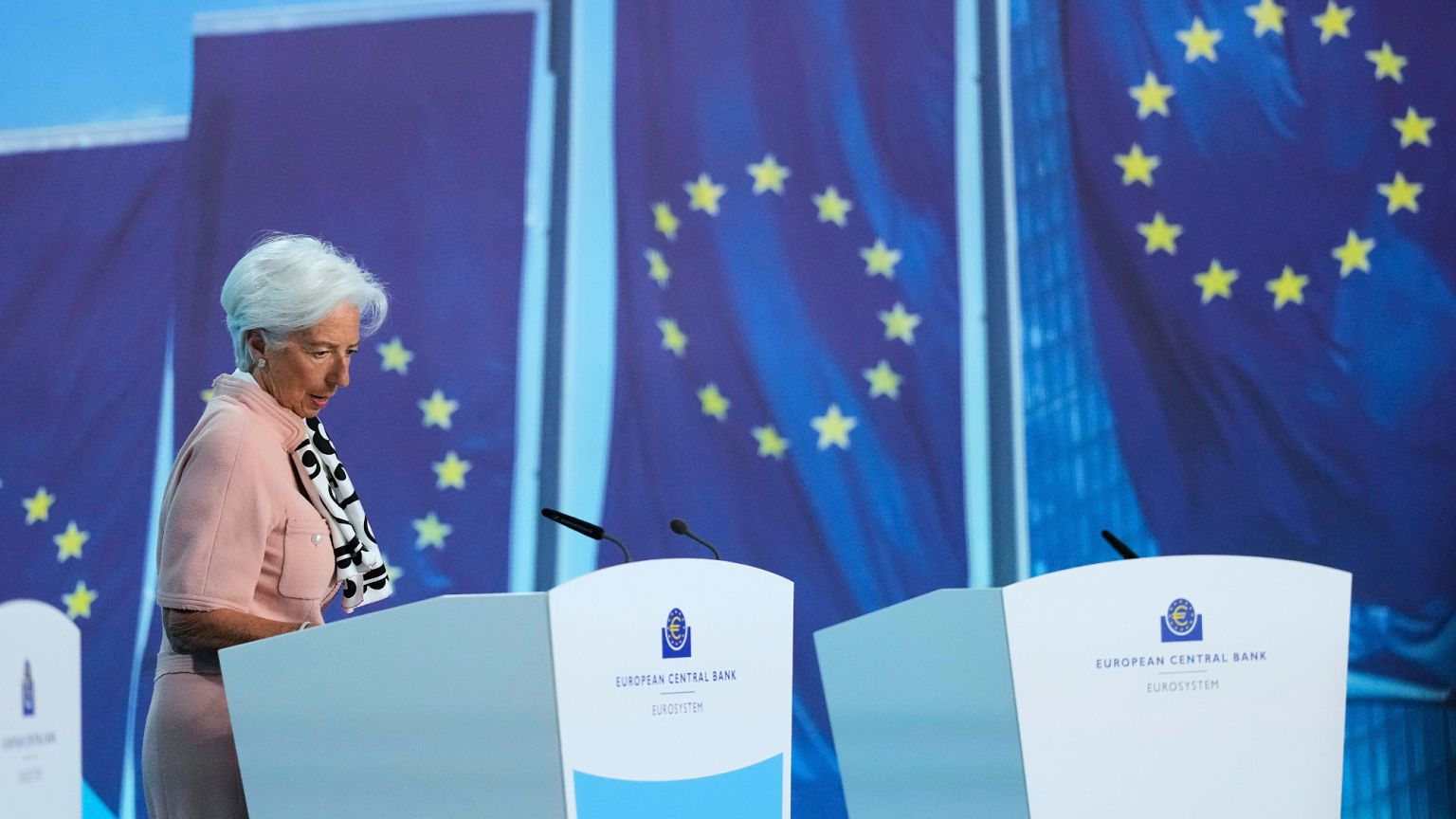
Inflation throughout the euro area has reached the European Central Bank’s stated objective, showing a 2% year-on-year rate in June. This advancement represents an important achievement in the ECB’s path of monetary policy, boosting the probability that interest rates will stay stable shortly. For decision-makers, investors, and consumers, the reappearance of inflation at its planned level indicates a potential shift after years of economic instability and intense interest rate increases.
The inflation figure follows a lengthy phase of high prices, during which the ECB implemented several hikes in interest rates to manage the rise in consumer prices. After experiencing a surge due to energy disturbances, supply chain issues, and the economic consequences of the COVID-19 pandemic along with the conflict in Ukraine, the region’s inflation rate has steadily decreased in recent months. Achieving the 2% threshold indicates that the ECB’s monetary policies might finally be producing the desired effects, providing a more predictable economic forecast.
This stabilization in prices, however, doesn’t mean the central bank will immediately shift toward rate cuts. Instead, the current inflation level supports a wait-and-see approach. With the ECB’s next rate-setting meeting on the horizon, market analysts now widely expect the governing council to hold rates steady, allowing more time to assess whether inflation will remain anchored around the 2% target or if underlying pressures might resurface.
Core inflation, which does not include fluctuating items such as food and energy, continues to play an essential role in the ECB’s evaluation. Even though overall inflation has hit the target, core inflation remains somewhat elevated, pointing to ongoing price pressures in areas like services. This difference implies that, although the general situation seems positive, the ECB might be careful before taking any decisive steps towards easing monetary policy.
Policymakers are also monitoring wage growth across the eurozone, which has the potential to influence future inflation trends. Strong wage increases, especially in the services sector, could drive consumer prices higher if not offset by productivity gains. The ECB is expected to continue evaluating labor market data, business sentiment surveys, and other forward-looking indicators to determine the appropriate path for monetary policy.
The achievement of the 2% inflation target carries wider effects for the economy of the region. For consumers, consistent prices provide respite following periods of diminishing purchasing power. For companies, having stable price levels aids in making plans and deciding on investments. Additionally, for governments, managing inflation might alleviate worries about increasing costs related to servicing debt, particularly in nations burdened with substantial public debt.
From a financial markets perspective, the data has already influenced expectations. Bond yields across the eurozone have adjusted slightly, reflecting the belief that the ECB will maintain its current policy stance. Meanwhile, the euro has shown modest fluctuations against other major currencies as traders digest the implications of stable inflation on the region’s economic momentum.
Although the 2% rate is an encouraging change, it is yet to be determined if it represents a permanent shift or just a brief interruption in an unpredictable setting. Elements like geopolitical conflicts, fluctuations in commodity prices, and international trade forces still have the capability to disturb inflation patterns. Consequently, the ECB’s method is expected to stay reliant on data, with adaptability being central to its plan.
In past years, the eurozone encountered ongoing difficulties in maintaining inflation near the intended level, with prolonged spells of below-target inflation sparking concerns of stagnation and leading to unconventional monetary measures like negative interest rates and asset purchase schemes. The recent alignment with target inflation thus signifies not only a policy success but also an indication of a more stable economic landscape—for the time being.
Looking ahead, attention will turn to how long inflation can remain within the ECB’s desired range without triggering new imbalances. If price stability is sustained alongside moderate growth and robust employment, the eurozone could enter a phase of economic normalization. On the other hand, any resurgence in inflationary pressures or unexpected downturns could prompt the ECB to recalibrate its strategy once more.
In sum, the eurozone’s inflation rate reaching the ECB’s 2% objective is a noteworthy moment in the region’s post-pandemic recovery. It suggests that the ECB’s actions over the past two years may be bearing fruit, allowing for a period of monetary policy stability. Still, with economic risks lingering both within and outside the bloc, the central bank is expected to proceed with measured caution, closely tracking data to guide its decisions in the months ahead.