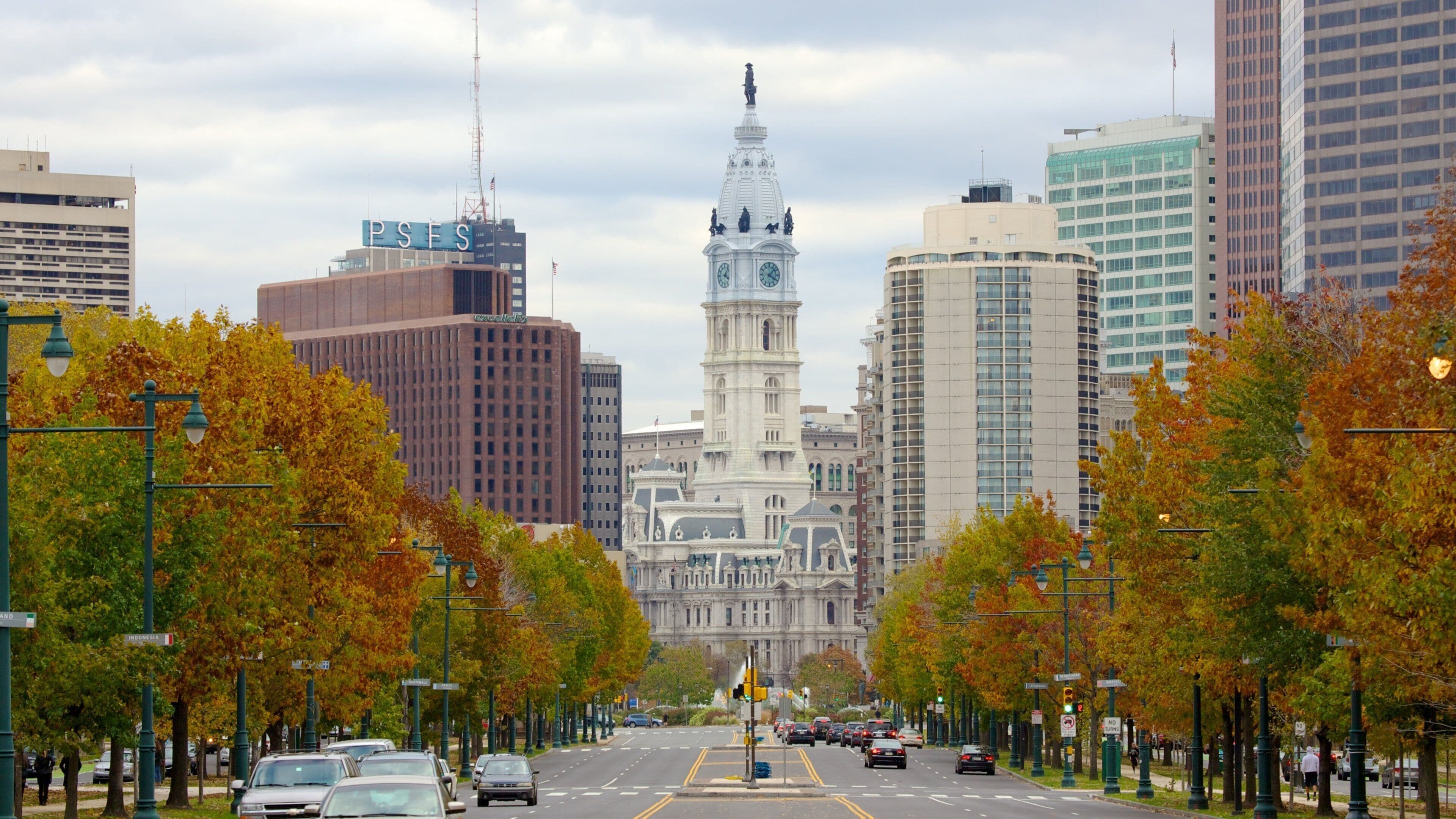
Philadelphia has emerged as one of the most dynamic metropolitan economies in the United States, leveraging its deep healthcare expertise and rapidly expanding technology sector to attract and retain corporate investment. Anchored by world-class medical institutions, research universities, and a growing ecosystem of startups and global firms, the city has positioned itself as a leading hub for life sciences, digital health, biotechnology, and advanced technology development. This strategic alignment of healthcare innovation and technology expansion has significantly strengthened corporate confidence and long-term capital commitments in the region.
A Foundation Built on World-Class Healthcare Institutions
Philadelphia’s healthcare landscape is supported by world-renowned institutions including the University of Pennsylvania Health System, Children’s Hospital of Philadelphia, Jefferson Health, and Temple Health, which not only deliver patient care but also advance pioneering research, secure significant federal funding, and encourage the development and commercialization of medical technologies.
The region regularly stands among the leading recipients of National Institutes of Health funding, and this steady flow of research investment fuels:
- Cutting-edge investigations in gene and cell therapies
- Initiatives centered on personalized medical strategies
- Applications of artificial intelligence for diagnostic support
- Translational work that carries lab-based breakthroughs toward commercial adoption
The presence of these institutions reduces risk for corporate investors by providing access to skilled talent, clinical trial infrastructure, and research partnerships. Pharmaceutical and biotech companies benefit from proximity to clinical expertise and patient populations, accelerating product development cycles.
Growth and Advancement in Life Sciences and Biotechnology
Over the past decade, Philadelphia has experienced substantial growth in life sciences real estate development and venture capital activity. Neighborhoods such as University City and the Navy Yard have become innovation corridors, offering state-of-the-art laboratory space and mixed-use developments designed to attract high-growth companies.
Major corporate expansions and relocations have reinforced investor confidence. Global pharmaceutical companies and emerging biotech firms alike have invested in:
- Research and development headquarters
- Manufacturing facilities for cell and gene therapies
- Clinical trial operations centers
- Innovation incubators and accelerator programs
The Navy Yard, for example, has evolved from a historic shipbuilding hub into a contemporary campus that accommodates major pharmaceutical companies, emerging biotech firms, and life sciences producers. This transformation demonstrates how upgrading infrastructure can directly foster corporate growth and generate employment opportunities.
Digital Healthcare and Technological Integration
Healthcare innovation in Philadelphia extends beyond pharmaceuticals into digital health and medical technology. The convergence of software development, data analytics, and clinical expertise has created a robust environment for health technology startups and established tech firms.
Companies specializing in telemedicine, electronic health records optimization, predictive analytics, and wearable health monitoring devices have found fertile ground in the region. Collaboration between hospital systems and technology developers enables rapid testing and scaling of new digital solutions.
The city’s broader technology sector also contributes to corporate investment momentum. Philadelphia has seen growth in:
- Firms specializing in cloud services and digital security
- Startups focused on AI innovation and machine learning solutions
- Companies developing fintech platforms and enterprise-grade software
- Enterprises engaged in cutting-edge manufacturing and robotic systems
This diversification lessens economic reliance on any single sector and simultaneously strengthens innovation that flows across industries, as healthcare organizations increasingly depend on cybersecurity firms to safeguard patient information and biotech companies draw on advanced analytics tools created by local tech startups.
Workforce Development and Educational Collaborations
Corporate investors place strong emphasis on talent availability, and Philadelphia’s substantial cluster of universities ensures a steady pipeline of skilled professionals. Institutions like the University of Pennsylvania, Drexel University, Temple University, and Saint Joseph’s University consistently deliver graduates across fields including medicine, engineering, computer science, biotechnology, and business.
Workforce development initiatives align academic curricula with industry needs. Cooperative education programs, research fellowships, and industry-sponsored laboratories ensure that students gain practical experience before entering the workforce. This reduces recruitment costs for companies and accelerates onboarding processes.
University technology transfer offices also play a proactive role in guiding commercialization, assisting researchers as they establish startups and obtain venture capital. These spinouts frequently stay rooted in the area, fueling ongoing reinvestment and expanding the regional ecosystem.
Public-Private Partnerships and Incentives
Philadelphia’s development strategy is strengthened through aligned public-private partnerships, with state and local governments providing focused incentives such as tax credits, workforce training grants, and infrastructure support to attract and expand corporate operations.
Economic development organizations actively market the city’s strengths in healthcare and technology to national and international investors. Strategic initiatives emphasize:
- Life sciences cluster development
- Equitable workforce participation
- Sustainable infrastructure investment
- Innovation district zoning and redevelopment
Infrastructure upgrades ranging from modernized transportation systems to expanded broadband networks continue to strengthen the city’s overall competitiveness, and companies weighing potential growth look beyond tax breaks to consider factors like transit access, housing options, and cultural offerings. Philadelphia’s comparatively lower operating expenses, especially when set against other major East Coast cities, give it a further strategic edge.
Expansion of Venture Capital and the Startup Ecosystem
Venture capital investment across the Philadelphia region has continued to expand, especially within biotech, digital health, and enterprise software, where momentum has been strong; early-stage firms receive backing from dedicated life sciences venture funds and angel investor networks, while more mature companies gain an advantage from their closeness to major financial centers in New York and Washington.
Incubators and accelerators provide structured mentorship, laboratory space, and investor access. Examples include university-affiliated innovation centers and independent startup hubs that connect founders with experienced executives and corporate partners.
This multifaceted funding landscape lowers entry hurdles for entrepreneurs and raises the chances that thriving ventures will grow within the local market instead of moving elsewhere.
Cutting-Edge Manufacturing and Enhanced Supply Chain Resilience
Healthcare innovation depends on sophisticated manufacturing capacity, especially for producing cell and gene therapies. Philadelphia has built up biomanufacturing sites outfitted with state-of-the-art cleanroom technology and automated systems.
The regional emphasis on supply chain resilience has attracted corporate investment in logistics and distribution centers. Proximity to major interstate highways, rail lines, ports, and international airports strengthens Philadelphia’s appeal as a manufacturing and distribution hub.
Companies seeking to mitigate global supply chain disruptions recognize the strategic value of domestic production capacity, further reinforcing capital inflows into the region.
Corporate Case Studies and Their Economic Influence
Several high-profile corporate investments illustrate the city’s momentum:
- Global pharmaceutical corporations broadening their research campuses to hasten the launch of gene therapy innovations
- Technology firms creating innovation laboratories dedicated to advancing healthcare data analytics
- Biotech startups evolving from university laboratories into locally based, publicly listed enterprises
These expansions set off widespread ripple effects throughout the regional economy, with employment emerging not only among scientists and engineers but also among construction crews, administrative staff, logistics specialists, and service providers. As corporate investment increases, real estate projects, hospitality activity, and retail growth typically rise in tandem, further strengthening urban renewal initiatives.
Economic impact analyses indicate that life sciences and healthcare sectors contribute billions of dollars annually to the regional economy, supporting tens of thousands of direct and indirect jobs.
Sustainability and Long-Term Competitiveness
Philadelphia’s investment approach is steadily embracing sustainability and environmental stewardship, with new lab facilities being built to achieve elevated energy‑efficiency benchmarks while companies adopt green technologies across their manufacturing operations.
Diversity and inclusion efforts also fortify the talent pipeline by expanding pathways to education and entrepreneurial growth, while workforce equity initiatives help turn economic progress into broader community advancement, reinforcing social stability and sustaining long-term competitiveness.
Corporate investors often assess environmental, social, and governance metrics when making location decisions. Philadelphia’s commitment to sustainable development and inclusive growth strengthens its appeal in this context.
A Paradigm of Unified Innovation
Philadelphia’s capacity to merge top-tier healthcare with advancing technology has shaped a robust, highly adaptable economic framework, where research institutions drive breakthroughs, technology companies speed their deployment, venture capital accelerates expansion, and public policy strengthens both infrastructure and workforce preparedness, with each element amplifying the rest and sustaining a continuous cycle of investment and innovation.
As global demand for advanced medical therapies, digital health solutions, and secure technology infrastructure continues to rise, Philadelphia stands as a compelling example of how strategic sector integration can transform corporate interest into sustained economic strength. The city’s evolution reflects more than isolated expansion projects; it represents a coordinated ecosystem where knowledge, capital, and infrastructure converge to shape a durable foundation for future corporate investment.