The extended conflict involving Serbia and Kosovo has significantly influenced the political, social, and economic environments of the Western Balkans. Originating from ethnic, historical, and political intricacies, the tension has transitioned from a full-scale war in the late 1990s to a complex post-war scenario. This article delves into the extensive repercussions of this conflict, analyzing both regional and global dynamics, as well as the substantial effects on local communities.
Political Consequences
1. Global Acknowledgment and Diplomatic Strains
Kosovo declared independence from Serbia in 2008, a move Serbia does not recognize. This has led to a persistent diplomatic impasse. Around 100 countries, including the United States and most European Union members, recognize Kosovo’s independence, while Serbia and several countries—including Russia and China—do not. This schism complicates Kosovo’s aspirations to join global organizations such as the United Nations and the European Union. The lack of consensus has resulted in frequent political standoffs at international forums, stalling dialogue and fueling mutual distrust.
2. EU Integration and Regional Stability
Both Serbia and Kosovo seek integration with the European Union, but the unresolved conflict is a primary obstacle. The EU has made it clear that normalization of relations is a precondition for further accession talks. As a result, the accession process for both states has stagnated, leaving the Western Balkans in a state of uncertainty. Prolonged ambiguity surrounding borders and governance provokes anxiety among neighboring states and raises concerns about the potential for renewed ethnic tensions.
Socio-Economic Consequences
1. Economic Slowdown and Inequality
Economic development in both territories suffers directly from lingering hostilities. Conflict-related infrastructure damage, persistent security concerns, and restricted cross-border commerce hinder foreign investment. The World Bank reported in 2022 that Kosovo’s GDP per capita remains substantially lower than the EU average, with high unemployment—especially among youth. In Serbia, regions bordering Kosovo experience economic volatility due to disrupted trade and periodic tensions.
2. Humanitarian and Social Effects
The conflict of the 1990s forced hundreds of thousands of people—Serbs, Albanians, and other minorities—to flee their homes. Despite several returnee programs, many communities remain ethnically segregated. Deep-seated mutual mistrust has made reconciliation efforts difficult, obstructing integration at all levels of society. The Balkan Investigative Reporting Network documented that over 1,600 persons remain missing as of 2023, underscoring unresolved humanitarian wounds.
Security Consequences
1. Regular Increases and Global Involvements
Although open hostilities ceased in 1999, incidents such as the 2023 unrest in northern Kosovo expose the persistent risk of violence. The NATO-led KFOR mission and the EU’s EULEX continue to play a stabilizing role, but sporadic incidents between ethnic Serbs and Albanians highlight the fragile peace. Any escalation risks drawing in neighboring states or external actors, threatening broader regional stability.
2. Transnational Crime and Border Control Issues
The administrative division, combined with weak institutional cooperation, provides fertile ground for organized crime and smuggling. International agencies have warned of trafficking in weapons, drugs, and people along the porous Serbia-Kosovo boundary. These criminal dynamics undermine the rule of law and impede legitimate economic development.
Influence on Culture and Psychology
1. Diverse Identities and Learning Obstacles
Generations in Kosovo and Serbia have been raised with stories influenced by conflict, resulting in significant differences in how history, sovereignty, and cultural heritage are viewed. Educational materials provide conflicting stories, which strengthen mistrust between groups. In areas with minority populations, the opportunity to learn in one’s first language is frequently limited, maintaining divisions.
2. Decay of Trust and Participation in Civil Society
Efforts at dialogue and mutual understanding are hindered by a chronic lack of trust. Civil society organizations play a crucial mediating role, yet their reach is limited by political restrictions and a challenging funding environment. High-profile cultural heritage disputes—such as over Serbian Orthodox sites in Kosovo—feed into broader narratives of victimhood and loss, making reconciliation arduous.
Illustrative Incidents
1. The Blockade in North Kosovo (2022–2023)
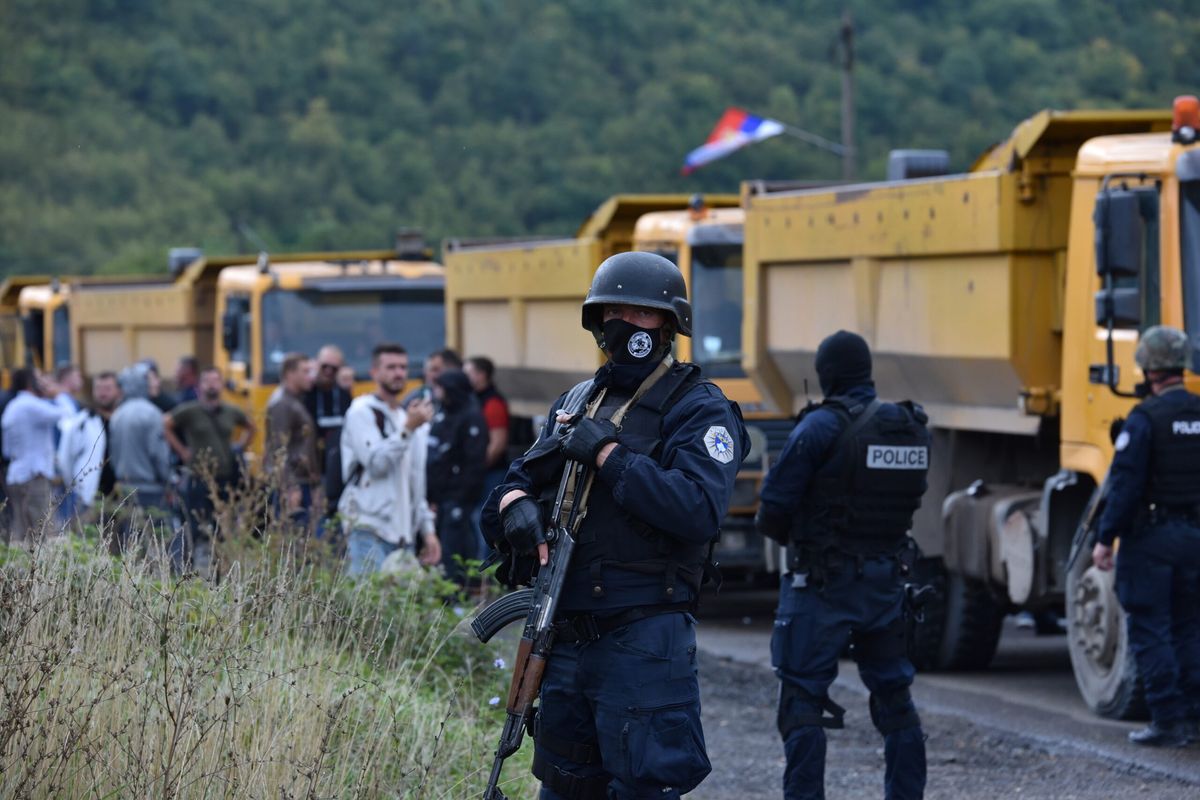
A sequence of border blockades and tense standoffs in northern Kosovo illustrated the fragility of on-the-ground relations. Local Serb communities, objecting to Kosovo government policies, erected barriers and refused cooperation—leading to a cycle of police actions, protests, and international mediation. The situation disrupted daily life, commerce, and access to basic services, while stoking fears of renewed fighting.
2. Stalled Brussels Dialogue
Launched in 2011 under EU auspices, the Brussels Dialogue aimed to normalize relations. Despite reaching technical agreements on issues such as telecommunications and energy, implementation has been inconsistent. Political leaders face domestic opposition for making concessions, and progress stalls. Each impasse erodes public confidence in negotiation as a tool for conflict resolution.
The conflict between Serbia and Kosovo presents a multifaceted example of how unresolved political issues influence societies, economies, and international relations. Every aspect of life—from economic prospects to cultural heritage and regional stability—continues to be impacted by the conflict’s lasting effects. Attempts at resolution progress slowly, hindered by entrenched narratives and mutual distrust. The experiences of local populations, along with ongoing international involvement, highlight the necessity for innovative dialogue, rooted reconciliation processes, and continued engagement at all levels. Only through these efforts can routes towards enduring peace and sustainable progress emerge in a region defined by historical division and present-day challenges.