As the summer progresses, there is a noticeable increase in COVID-19 cases across several regions of the United States. Although the numbers are not as high as in past years, the recent rise is significant enough to reignite discussions about preventative actions, particularly concerning the possible requirement for new vaccine updates.
This seasonal resurgence has been observed through increased levels of viral particles in wastewater surveillance systems, a reliable early indicator of community spread. Emergency department visits and hospitalizations have also shown a modest but steady climb. Though the situation remains far from critical, the shift is significant enough to warrant attention, particularly for those in high-risk categories such as the elderly and immunocompromised.
Understanding the summer wave
Unlike the initial phase of the pandemic, the present rise in COVID-19 cases isn’t met with extensive fear or severe public health orders. This is mainly because people have attained some level of immunity via vaccines, prior infections, or a combination of the two. Nevertheless, the virus is still changing, and emerging variants might bypass some of the previously gained immune defenses.
The prevalent forms currently are subvariants of the Omicron family, recognized for their increased transmissibility yet less propensity to lead to severe illness in people who have some kind of immunity. Nonetheless, the virus continues to be a hazard, especially for those at risk or with existing health issues. Despite this, individuals in good health can also endure prolonged symptoms, referred to as long COVID, after getting infected.
Vaccine schedule: should a booster be taken?
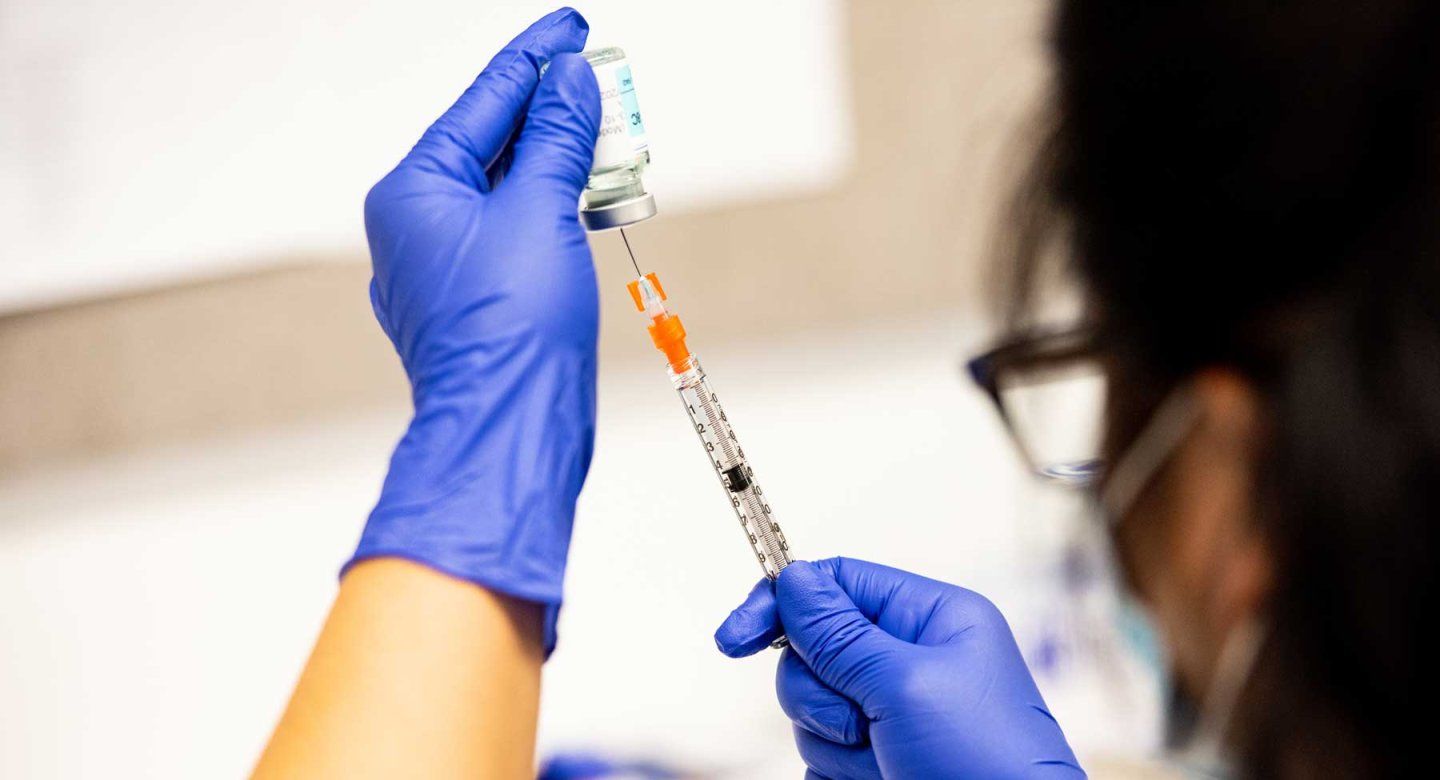
One of the primary questions emerging from this latest rise in cases is whether it’s the right time for a booster shot. Health authorities are preparing for a fall vaccination campaign that will likely offer updated COVID-19 vaccines, targeting newer variants more effectively. However, for those currently at heightened risk of severe illness, waiting might not be the best option.
Experts are divided. On one hand, individuals who are elderly, chronically ill, or immunocompromised may benefit from an additional booster now, particularly if it’s been several months since their last dose. This could help bridge the gap until the next round of updated vaccines becomes available. On the other hand, those at lower risk may choose to wait until the fall to receive a booster that’s tailored to the currently circulating variants.
The choice primarily relies on personal risk variables and timing. For numerous individuals, it involves weighing current protection against the possibility of improved protection in the future. For instance, a person intending to travel, participate in large events, or stay inside near others may decide to get a booster to minimize the chance of infection and spread in the short term.
Public response and prevention measures
Despite the increase in cases, the general public appears less concerned than in previous waves. Mask usage remains sporadic, and many people are no longer practicing social distancing or avoiding crowded indoor spaces. This shift in behavior reflects a broader sense of fatigue with pandemic precautions and a desire to return to normalcy.
Still, some precautionary steps continue to be useful. Proper ventilation, wearing masks in packed places, maintaining hand cleanliness, and staying home when showing symptoms can still help limit the virus’s spread. The present increase acts as a reminder that the pandemic, though less intrusive than it once was, isn’t entirely over.
The evolving nature of COVID-19
COVID-19 remains unpredictable. Although vaccines have greatly decreased the chances of severe illness and death, the virus’s capacity to mutate ensures that no one approach provides constant protection. The emergence of new subvariants and the chance of future increases, notably in colder seasons, underscore the importance of continued alertness and flexibility in public health measures.
For many, COVID-19 has transitioned from a once-dreaded virus to a recurring seasonal illness—more like the flu than the threat it once posed. But unlike the flu, COVID-19 continues to present unique challenges, particularly because of the lingering effects experienced by some patients.
What to expect
As the autumn season nears, health authorities are keeping a vigilant eye on the circumstances. New vaccines are anticipated to be introduced later this year, potentially in a version more suited to the recent variants. These might be available together with the yearly influenza vaccine, and possibly the RSV vaccine for particular age brackets, as a component of a wider plan to address respiratory diseases.
In the meantime, those who are most vulnerable are encouraged to consult with their healthcare providers about whether an additional booster is advisable before fall. For the general public, staying informed and taking basic precautions remain the best course of action as the situation evolves.
The latest increase in COVID-19 cases during the summer months acts as a gentle but crucial indication: although the virus no longer overshadows everyday activities, it still demands vigilance, particularly when there is a rise in community spread. As scientific understanding evolves with the virus’s changes, people are once more confronted with the responsibility of making educated decisions to safeguard themselves and others in their vicinity.