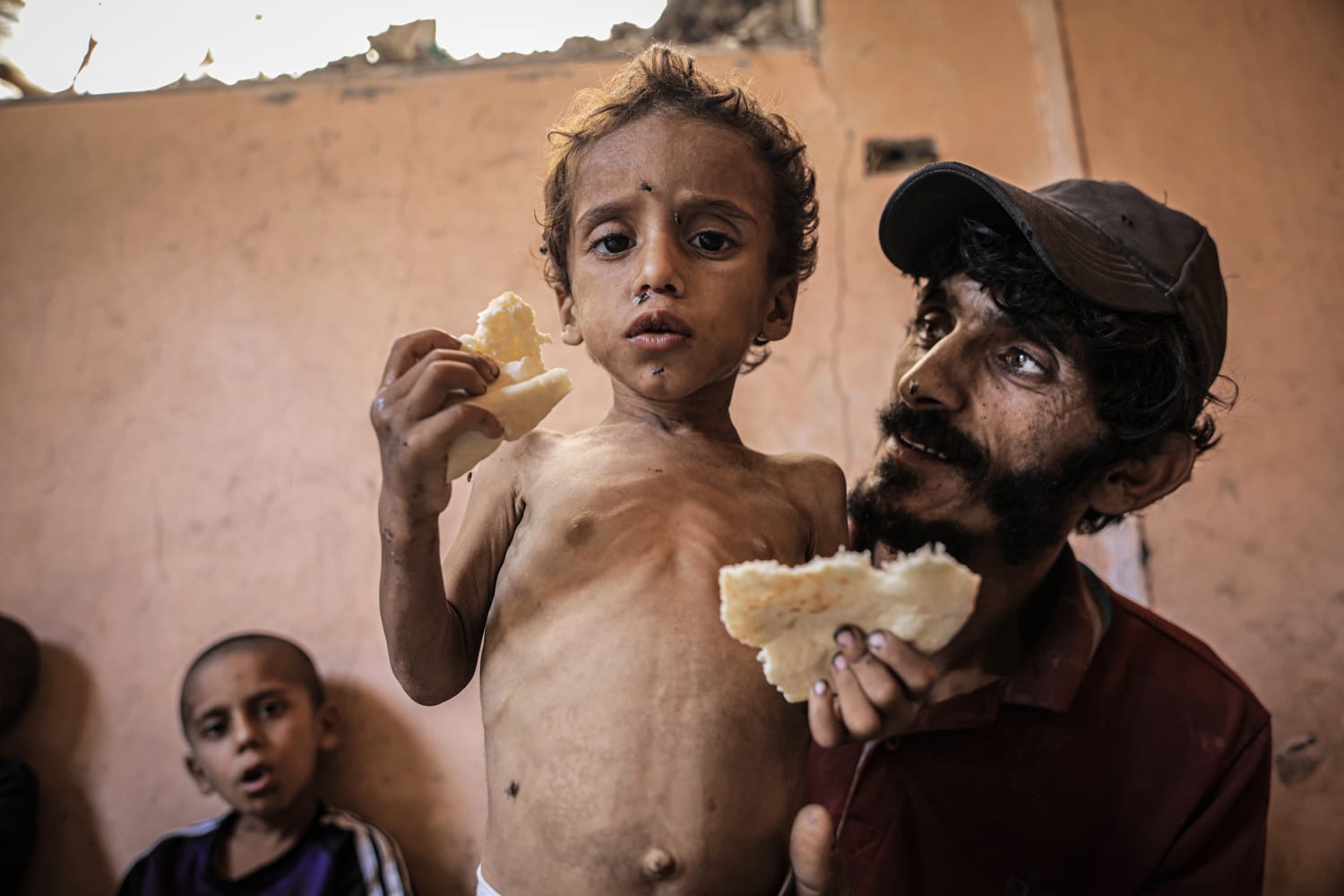
The escalating humanitarian emergency in Gaza persists in taking the lives of those most at risk, with more accounts of extreme malnutrition and avoidable deaths among young children and infants. In a tragic incident, an infant boy passed away as hunger worsened among the people, highlighting the critical situation encountered by civilians in the area.
With the availability of food, clean water, and essential healthcare becoming more limited, families in Gaza are finding it difficult to fulfill even the most essential survival needs. Hospitals and medical personnel are overburdened, often functioning under severe conditions with scarce resources and unreliable electricity. The scenario is particularly dire for children younger than five, who are the most vulnerable to the consequences of malnutrition and dehydration.
Malnutrition has become very concerning in the past months, with numerous families depending on infrequent aid or surviving on poor diets. Often, formula milk is either too expensive or not accessible, making breastfeeding the sole feasible choice. Yet, for mothers who are stressed, malnourished, or unwell, this might not be achievable, putting infant health at greater risk.
The death of a young child due to starvation is not an isolated incident but a reflection of the broader humanitarian emergency unfolding. Health professionals working on the ground report that wards are filling up with severely underweight children, many arriving too late to be saved. The lack of medical equipment, nutritional supplements, and trained personnel makes treating even routine conditions a near-impossible task.
Food insecurity is being driven by multiple compounding factors. Continued conflict, restricted movement of goods and people, destruction of infrastructure, and disrupted supply chains have left markets bare and prices soaring. What little food is available is often unaffordable to large segments of the population. Perishable items such as dairy, fresh fruits, and vegetables are particularly scarce.
Water scarcity is also contributing to the health crisis. Contaminated water sources and insufficient sanitation increase the risk of disease outbreaks, particularly among children. Diarrheal illnesses, which can be deadly in malnourished children, are on the rise. When combined with food shortages, these factors create a lethal cycle that leads to rapid health deterioration in young bodies.
In households across Gaza, caregivers face impossible choices—between feeding one child or another, or using what little clean water they have for drinking or washing. These are not decisions any parent should have to make, yet they are the daily reality for thousands of families.
Efforts to deliver humanitarian assistance face numerous obstacles, including damaged roads, checkpoints, and security risks. Aid convoys struggle to reach those in need, and the inconsistent flow of supplies makes it difficult for relief organizations to plan sustainable interventions. Many families living in isolated or high-risk areas remain entirely cut off from regular support.
The psychological impact of the crisis is as deep as its physical effects. Parents experiencing the heartbreak of losing a child to hunger carry a grief beyond measure. In communities already grappling with trauma, each new loss intensifies feelings of hopelessness and powerlessness. For the children who remain, the mental consequences of enduring hunger and seeing suffering are enduring and profoundly damaging.
Although there are obstacles, the efforts of community healthcare professionals and volunteers persist in delivering assistance. Temporary clinics, traveling medical units, and local kitchens strive to cover the voids left by the damaged infrastructure. In numerous regions, these basic initiatives are the sole support accessible. However, they fall short.
The unfolding crisis calls for a renewed sense of urgency. Lives are being lost not to natural disasters or unknown diseases, but to preventable causes rooted in a breakdown of access and aid. Infants dying from hunger is a stark indicator that the current situation is not just a humanitarian issue—it is a moral emergency.
There remains an opportunity to take action. Meeting the urgent requirements of Gaza’s people—particularly the young ones—demands rapid and organized efforts. This involves securing safe routes for delivering assistance, maintaining stable food and medical supply systems, and offering support for mother and child welfare. Lasting solutions will involve tackling the fundamental issues of the crisis, such as political unrest and limited access to crucial goods and services.
Until then, the stories of children lost to hunger will continue to surface—silent testimonies to a humanitarian disaster that should never have been allowed to reach this point.