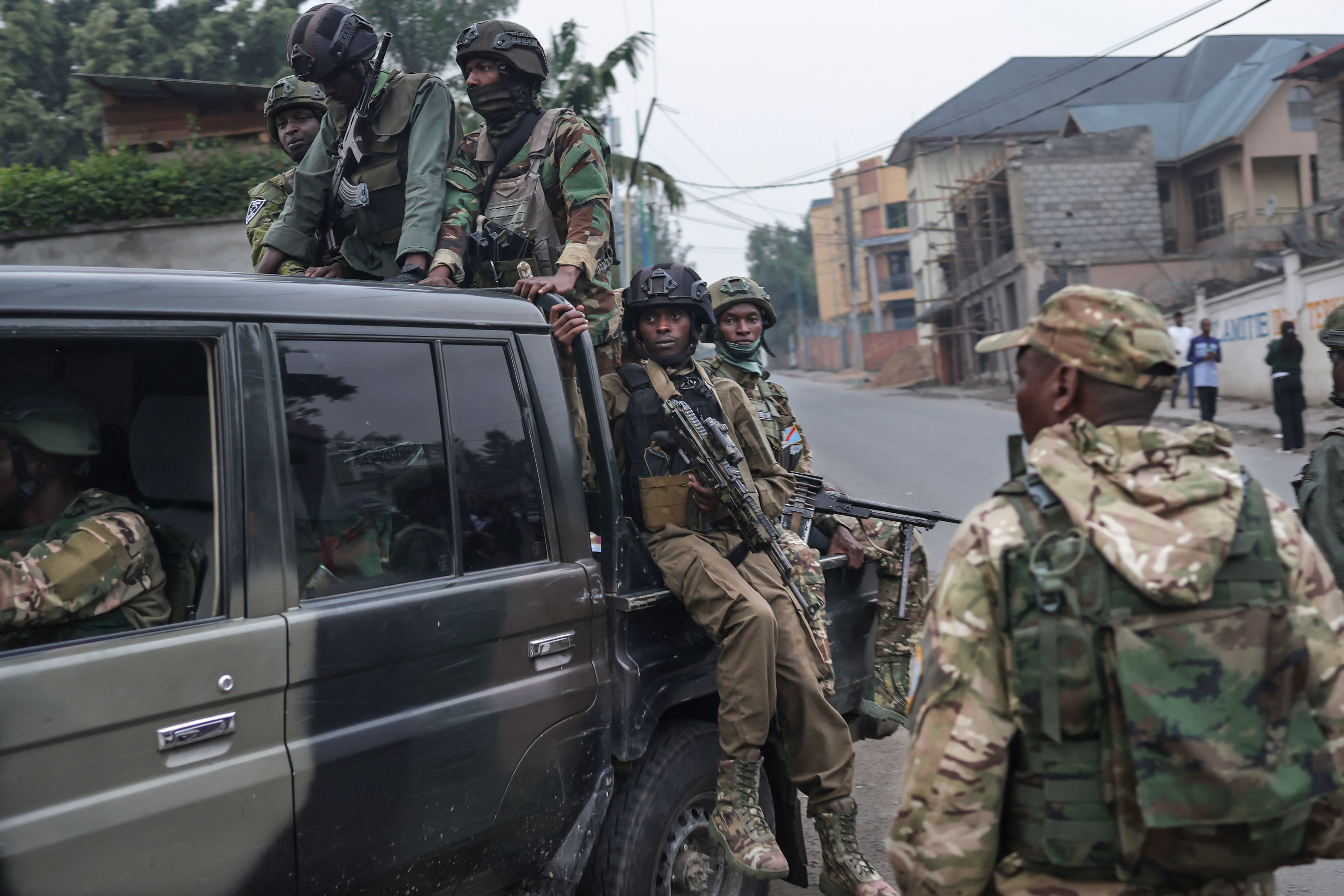
In an area historically affected by strife, a move towards tranquility has surfaced. Armed groups active in the eastern Democratic Republic of the Congo (DRC), some allegedly supported by nearby Rwanda, have consented to an initial framework of principles designed to create a lasting ceasefire. Although the journey to enduring peace is still unclear, this progress provides a rare sign of optimism in a conflict that has forced millions to flee and resulted in numerous casualties.
The eastern provinces of the DRC, particularly North Kivu and Ituri, have been plagued for decades by armed violence involving local militias, foreign-backed groups, and government forces. The root causes of this unrest are complex—spanning ethnic tensions, control over mineral-rich lands, historical grievances, and a fragile national governance structure. Despite repeated peace efforts, the situation has frequently deteriorated, leaving communities trapped in cycles of violence.
At the heart of the latest breakthrough is a newly signed declaration of principles between the DRC government and several armed factions operating in the east. These principles serve as a foundational framework for negotiating a comprehensive and enforceable ceasefire. Among the key points are commitments to cease hostilities, facilitate humanitarian access, protect civilians, and engage in political dialogue.
Although the declaration is not yet a binding ceasefire agreement, it indicates a change in tone and intent among major stakeholders. In recent months, regional figures and international commentators have increasingly called for a diplomatic solution, highlighting the impact on civilians and the escalating instability spreading beyond borders. The step towards formal talks suggests a readiness—albeit tentative—on both sides to lessen violence and pursue resolution through discussion.
A significant challenge contributing to the area’s instability is the reappearance of the M23 rebel faction, which has become active again after a dormant phase. The government of the DRC has consistently accused Rwanda of backing the M23, a claim that Rwanda has consistently refuted. The friction between the two nations has sometimes escalated, leading to concerns about a potential wider conflict in the region.
The recent statement, while it doesn’t specifically mention the M23 or Rwanda, recognizes the importance of tackling external influence and the disarmament of groups not tied to the state. This implies that there may have been covert discussions or initial compromises considering Rwanda’s involvement in the unrest.
Lo que hace que este momento sea especialmente significativo es el momento en que ocurre. Tras años de negociaciones paralizadas, escaladas militares e intervenciones fallidas para mantener la paz, las partes ahora parecen más receptivas al diálogo diplomático. Los analistas indican que esto podría deberse a una combinación de cansancio por el conflicto prolongado, cambios en la dinámica geopolítica y presión de los mediadores regionales.
Neighboring countries and regional organizations have played a significant role in facilitating recent discussions. Efforts have been ongoing to revive regional peace initiatives, many of which had languished due to mistrust and lack of coordination. The renewed attention from these actors has helped create an environment more conducive to dialogue, even if fragile.
Las comunidades en el este del Congo, durante mucho tiempo atrapadas en el fuego cruzado, han reaccionado con optimismo moderado. Para muchos civiles, la paz ha sido un sueño difícil de alcanzar, interrumpido repetidamente por brotes de violencia. Los campamentos de desplazados continúan abarrotados, las necesidades humanitarias son críticas y el temor a nuevos enfrentamientos persiste en la vida cotidiana. Sin embargo, incluso los más mínimos indicios de avance son recibidos con esperanza de que lo peor haya quedado finalmente atrás.
The government of the DRC has reiterated its commitment to disarmament, the reintegration of ex-combatants, and re-establishing state authority in impacted regions. Nonetheless, achieving these objectives significantly relies on security assurances and ongoing support from both domestic bodies and the international community. Without sufficient follow-up, there is a danger that this agreement—much like numerous ones prior—could collapse under the strain of conflicting interests and persistent grievances.
The declaration further outlines mechanisms for monitoring and verification, though details on enforcement remain unclear. In a region where numerous ceasefires have collapsed due to noncompliance or weak oversight, the success of any peace agreement hinges on its ability to be implemented transparently and consistently.
Looking ahead, there is cautious acknowledgment that signing principles is only the first step. The real challenge lies in translating those principles into lasting change on the ground. This will require trust-building measures, the inclusion of civil society in the peace process, and concrete actions that demonstrate a commitment to ending hostilities—not just temporarily, but for good.
In the broader context, peace in eastern Congo is not only a national imperative but a regional priority. Instability in the DRC has ripple effects throughout Central Africa, disrupting trade, fueling cross-border tensions, and creating humanitarian crises that extend beyond national borders. A successful peace process would therefore benefit not just the Congolese people, but neighboring countries and the continent as a whole.
Although the future path is filled with unpredictability, the signing of this declaration presents a unique opportunity to change the course of an enduring conflict. Should it be accompanied by sincere discussions and continuous attempts to tackle the underlying issues, this progress might signify the start of a new era for an area that has suffered excessively for an extended period.