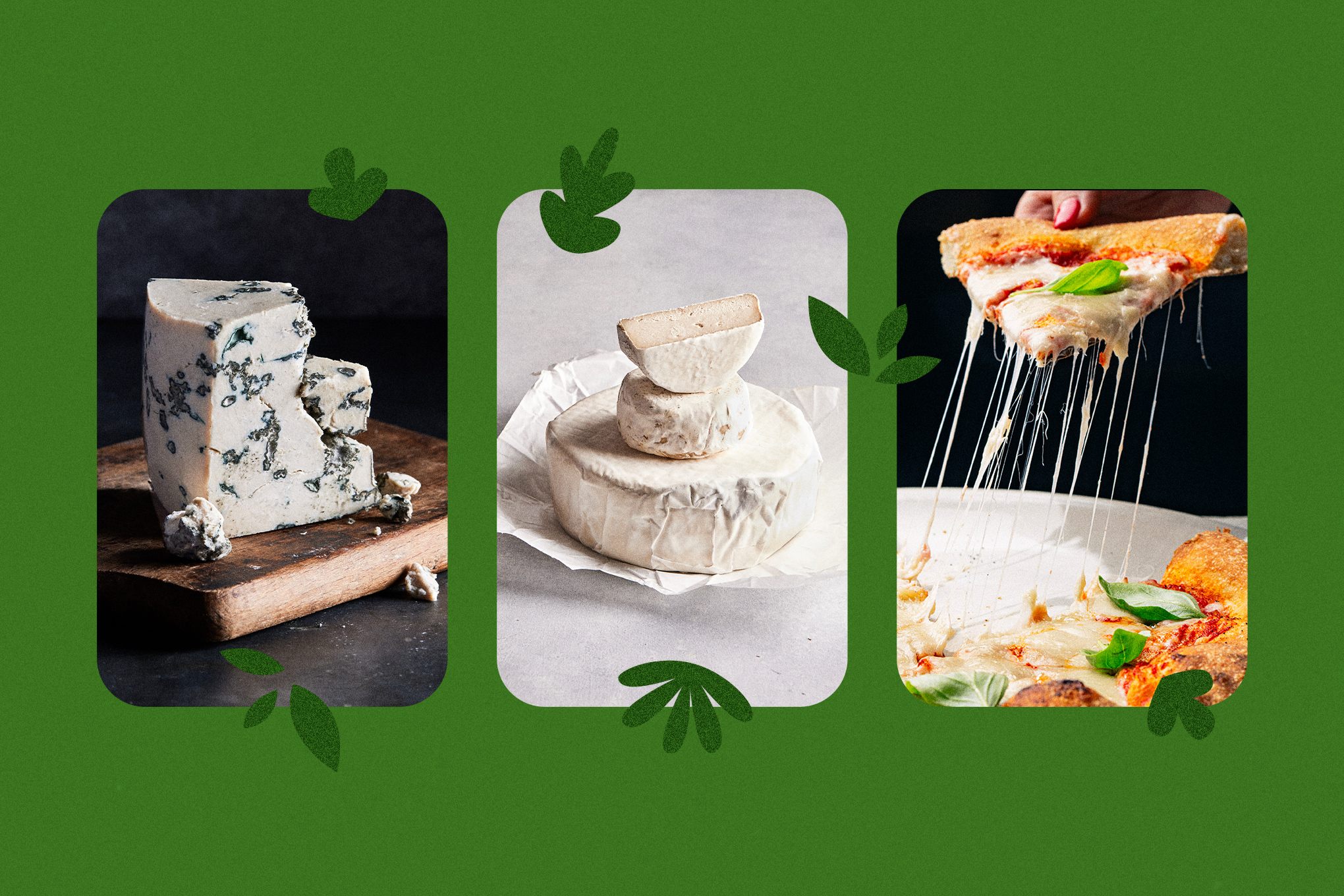
Cheese, with its strong cultural significance and sensory allure, has been a treasured part of diets worldwide for a long time. Whether it’s melted on pizza, matched with wine, or layered onto a sandwich, it remains one of the most adored foods internationally. However, a subtle shift in food science is offering a novel approach to create this well-known product—without involving the cow. Lab-created, or to be exact, precision-fermented cheese is set to make its way into the market. Still, the crucial query is: will it be embraced by consumers?
Unlike cheeses made from plants that utilize nuts, oils, and starches to imitate the taste and feel, lab-cultivated cheese is made with the same proteins present in regular dairy products. Using a technique referred to as precision fermentation, researchers manipulate microorganisms, such as yeast, to manufacture casein and whey, the key proteins found in milk. These proteins are later blended with fats and additional components to develop a product designed to reproduce traditional cheese not only in flavor and texture but also in its ability to melt and its nutritional properties.
This advancement in technology is a component of a broader transformation in the food sector, where sustainability, ethical practices, and innovation align. Lab-cultivated cheese—commonly classified under the label of animal-free dairy—holds the potential to lower greenhouse gas emissions, save water resources, and remove the necessity for animal farming. As per scientists and businesses leading the way in this field, these advantages might establish lab-produced dairy products as a practical substitute for conventional production techniques, especially as worldwide demand for dairy grows.
Even though it holds a lot of potential, the journey toward broad consumer approval might not be simple. Food is tied to tradition and perception just as much as it is to what goes into it. Studies have indicated that although consumers who care about the environment and health show interest in lab-cultivated foods, a significant number are still reluctant, particularly when production techniques seem strange or excessively technical. Terms such as “engineered,” “synthetic,” or “fermented by microbes” might inadvertently evoke thoughts of artificial processes—even if the science supporting them is reliable and secure.
One of the most important elements in overcoming skepticism will be education. Industry experts and food scientists agree that consumers need clear, transparent information about how lab-grown cheese is made, what it contains, and how it compares nutritionally and environmentally to traditional dairy. For many, understanding that precision fermentation has been safely used for decades—for example, in the production of insulin or rennet for cheese-making—can help normalize the idea.
Another possible benefit is the allergen-free nature of lab-produced dairy. As the method does not use animal milk, it creates opportunities for lactose-free or cow-free dairy items that maintain the complete protein composition and functional traits of conventional cheese. This might be especially significant for people with lactose intolerance, dairy allergies, or ethical issues relating to animal welfare.
Flavor will undoubtedly be the final determinant. Although plant-based cheeses have advanced, numerous consumers still express that they lack in taste and consistency. Laboratory-produced cheese intends to bridge this divide by replicating the exact dairy proteins responsible for the stretch, melt, and feel of traditional cheese. Initial evaluations by testers on prototype cheeses crafted through precision fermentation have highlighted remarkable outcomes, with items nearly replicating the form and taste of cheddar, mozzarella, and cream cheese.
The regulatory landscape will also play a critical role in determining how quickly lab-grown cheese can reach grocery store shelves. In the United States, companies must navigate the Food and Drug Administration’s (FDA) safety review process. Some animal-free dairy proteins have already received “Generally Recognized as Safe” (GRAS) status, clearing the way for them to be used in commercial food production. Still, each new product and formulation requires careful review, particularly when introducing novel ingredients to the public.
In the meantime, product labeling is still a topic of debate. Conventional dairy farmers contend that words such as “milk” or “cheese” ought to be exclusively used for animal-based products. On the other hand, supporters of lab-created dairy assert that using well-known terms aids consumers in comprehending the product type and its purpose. The continued discussions about the language may influence not only the marketing of these products but also their public perception.
Globally, a few startups have already begun limited launches of lab-grown dairy products in select markets, often in partnership with restaurants or specialty retailers. These controlled rollouts allow companies to gather feedback, refine formulations, and gauge consumer interest before attempting mass distribution. As more players enter the field, competition could drive innovation and bring prices closer to parity with traditional cheese—currently one of the biggest barriers to accessibility.
Additionally, there is a wider philosophical discussion developing concerning the emergence of synthetic biology in the food industry. Some individuals view lab-created products as a positive step forward towards a more sustainable and ethical food system. However, others are worried about issues such as corporate dominance over food supply, possible health repercussions, and the decline of conventional agricultural methods. These viewpoints will undoubtedly influence public conversation as lab-produced foods become increasingly prevalent.
Despite these complexities, the momentum behind lab-grown cheese continues to build. Backed by venture capital and supported by technological breakthroughs, the industry is progressing from laboratory concept to commercial reality. As it does, it challenges both producers and consumers to rethink what defines “real” food, how we feed a growing population, and what values we prioritize when choosing what to eat.
For now, whether lab-grown cheese becomes a staple in everyday diets remains uncertain. Much will depend on transparency, affordability, and whether it can meet the sensory expectations of discerning cheese lovers. But one thing is clear: the future of cheese—and food more broadly—is expanding in ways that would have seemed unimaginable just a decade ago.
As lab-grown cheese begins to appear on menus and, eventually, supermarket shelves, the decision to embrace it will rest not just on facts or figures, but on emotion, tradition, and trust. The challenge for this new frontier in food is not just creating something scientifically sound—but making it culturally accepted, culinarily satisfying, and undeniably delicious.