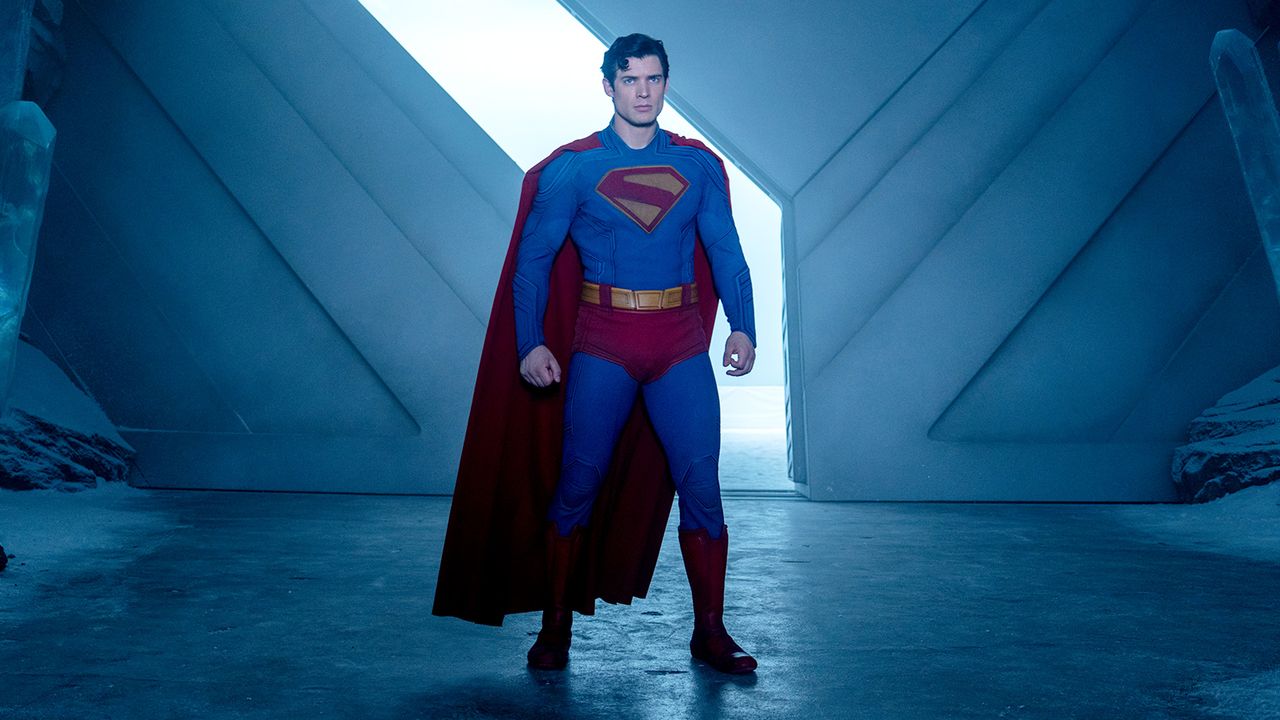
Superman’s newest movie venture strides forward ambiguously into the forthcoming era of DC’s superhero saga, mixing quirky humor with intense action in a film that appears both overloaded and lacking depth. With David Corenswet portraying the legendary character, this fresh film provides comic enthusiasts with a rush of nostalgic nods and bizarre sci-fi elements, yet it may disengage broader audiences due to its hectic speed and deficiency in emotional resonance.
The film marks the debut of DC’s ambitious new cinematic universe following the conclusion of its previous iteration, which stumbled with a series of underwhelming releases in 2023. Helmed by James Gunn, known for his work on Marvel’s Guardians of the Galaxy and DC’s The Suicide Squad, this new chapter aims to redefine the superhero genre within the DC franchise. Rather than cautiously laying the foundation for future stories, Gunn plunges headfirst into the action, delivering a spectacle that feels more like the continuation of an established saga than the beginning of a new era.
Beginning immediately, audiences are immersed in a setting where Superman is already an established hero, having defended Metropolis for quite some time. He shares a romantic relationship with the resolute Lois Lane, depicted by Rachel Brosnahan, and encounters resistance from the nefarious Lex Luthor, embodied with chilling vigor by Nicholas Hoult. Interestingly, the movie features a number of lesser-known heroes alongside Superman, such as Green Lantern, Mr. Terrific, and Hawkgirl, who create a complex Justice Gang that alternately assists and hinders his efforts.
This approach to skip the well-trodden origin story offers a refreshing change of pace. Audiences are spared the familiar tale of Krypton and Smallville, diving directly into the dynamic world of metahumans and epic battles. The inclusion of offbeat elements such as Krypto the Superdog and a team of robotic Superman helpers adds a whimsical touch rarely seen in previous adaptations of the character. These playful additions evoke a sense of comic book authenticity, appealing to longtime fans eager for a break from the somber tone of earlier films.
However, this unapologetically quirky vision comes with drawbacks. Gunn’s decision to pack the narrative with a dizzying array of concepts—clones, alternate dimensions, bizarre creatures, and social commentary—creates an experience that feels overwhelming and unfocused. The film barrels through its plot points with little room for character development or emotional resonance. Monumental events such as city-wide destruction and interdimensional travel unfold with a rapidity that undermines their potential impact, leaving the audience with fleeting impressions rather than lasting memories.
Although the visual effects are intricate, they add to the movie’s transient nature. The action is akin to a premium video game, featuring chaotic and destructive scenes that seem removed from real life. Even with references to the magnificence of Richard Donner’s 1978 Superman, like John Williams’ legendary score, the film finds it challenging to inspire comparable wonder. Ultimately, it presents a spectacle that captivates briefly but lacks the emotional depth needed for the audience to genuinely engage with the storyline.
At the heart of this new Superman is David Corenswet, whose casting brings a classic, wholesome charm to both Superman and his alter ego, Clark Kent. Yet the screenplay gives him little opportunity to showcase the character’s legendary goodness and compassion. Instead, the portrayal leans toward impulsiveness, with the Man of Steel often displaying frustration and volatility, particularly in interactions with Lois Lane. This choice undercuts the character’s traditional role as an unwavering beacon of hope and moral clarity, making it difficult for audiences to connect with him on a deeper level.
The film’s rapid pace and emphasis on eccentricity suggest a creative vision driven more by indulgence than careful storytelling. Gunn appears to have approached the project with the mindset of cramming as much as possible into a single film, possibly out of concern that this opportunity might be short-lived. The result is an uneven mix of inventive humor and superficial spectacle that may delight comic book enthusiasts but leave mainstream viewers indifferent.
While the film’s ambition and playful tone are commendable, the lack of narrative cohesion and emotional depth hampers its effectiveness as the cornerstone of a new cinematic universe. The inclusion of whimsical elements, while entertaining, feels insufficient to carry the weight of the film’s larger thematic aspirations. The absence of quieter moments to explore Superman’s humanity and the moral dilemmas of his role further diminishes the story’s impact.
Ultimately, this version of Superman represents both a daring attempt and an unfulfilled chance. It presents an imaginative, humor-filled universe that steers away from the somber tone of earlier installments but doesn’t manage to leave a powerful, enduring impact. The movie’s high-energy and packed storyline might attract loyal comic enthusiasts, yet its inability to create a grounded, accessible Superman might limit its appeal to a wider audience.
James Gunn’s signature style—quirky, irreverent, and unabashedly geeky—shines throughout the film, offering moments of genuine amusement and surprise. Yet the absence of emotional stakes and the relentless pacing result in a cinematic experience that is entertaining in the moment but forgettable in the long run. As DC embarks on this new cinematic journey, one can only hope that future installments will find a better balance between spectacle and substance, ensuring that Superman once again becomes not just a symbol of power, but a hero whose story truly matters.