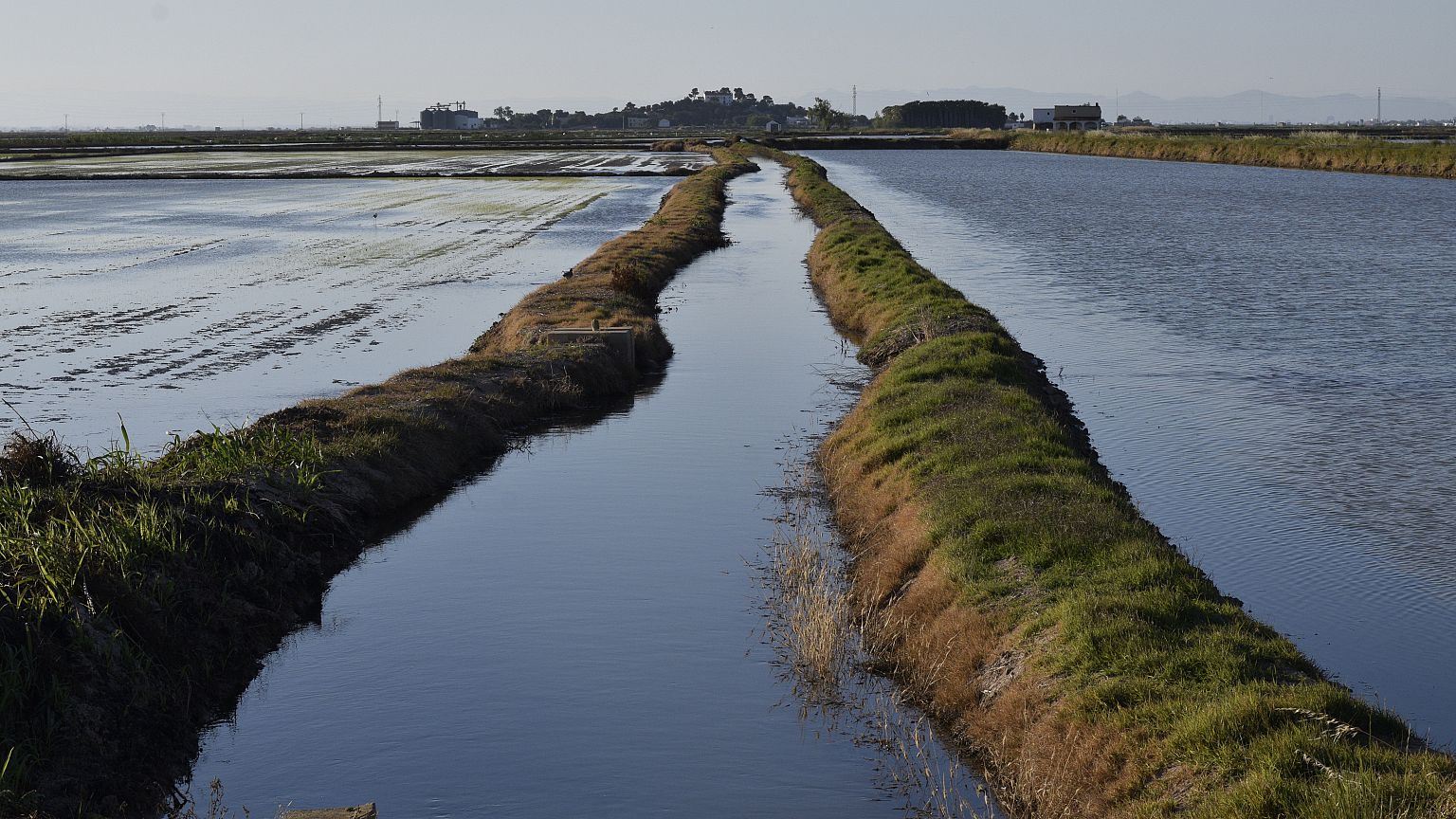
Across many regions of the world, the legacy of industrial activity has left a profound and often irreversible impact on both the environment and the communities that depend on it. From rivers laced with toxic chemicals to once-verdant hillsides stripped bare and scarred by mining operations, the consequences of unchecked industrialization are visible in landscapes altered beyond recognition.
El relato sobre aguas contaminadas y tierras deterioradas no se limita a un solo país ni a una sola industria. Es un desafío mundial que plantea preguntas urgentes sobre cómo las sociedades equilibran el desarrollo económico con la protección ambiental y el bienestar de las poblaciones locales.
Water contamination is one of the most pressing and visible consequences of industrial pollution. In many areas, rivers, lakes, and groundwater supplies have become repositories for waste materials, heavy metals, and hazardous chemicals. This contamination often results from mining, chemical manufacturing, agricultural runoff, and improper waste disposal. The effects are felt not only in the degradation of aquatic ecosystems but also in the health risks posed to communities that rely on these water sources for drinking, irrigation, and fishing.
For example, mining operations, particularly those involved in extracting metals such as gold, copper, and coal, often generate significant amounts of waste material known as tailings. These tailings can contain toxic substances like mercury, arsenic, and lead. When containment systems fail, as has happened in numerous well-documented cases, these pollutants leach into nearby rivers and groundwater, poisoning ecosystems and endangering human health.
The environment’s physical features have also been significantly impacted by these actions. Surface mining, tree cutting, and erosion of the soil convert formerly flourishing ecosystems into desolate, unwelcoming lands. Vegetation is removed from hills, and constant digging and explosions permanently change their shapes. These alterations in the environment not only reduce biodiversity but also heighten the land’s susceptibility to additional deterioration, such as landslides, floods, and turning into desert.
In numerous instances, individuals who suffer the most from environmental harm are those lacking significant political influence to stop or mitigate it. Indigenous groups, agricultural workers from the countryside, and economically disadvantaged communities frequently reside near polluting enterprises. The water they consume, the soil they cultivate, and the air they inhale are jeopardized for financial gain, while sometimes legal frameworks do not succeed in making polluters responsible.
Los efectos en la salud debido a la contaminación ambiental tienen consecuencias tanto inmediatas como a largo plazo. Estar en contacto con fuentes de agua contaminadas puede provocar diversas enfermedades, tales como trastornos gastrointestinales, afecciones dermatológicas e incluso ciertos tipos de cáncer relacionados con intoxicación por metales pesados. Los niños, mujeres embarazadas y personas mayores son especialmente susceptibles a estos riesgos para la salud.
At times, polluted water has caused significant public health emergencies. These situations have generated anger and demands for tougher regulations, yet in many less noticeable instances, communities remain silently affected, with limited access to healthcare or legal options.
The issue of poisoned water is closely tied to the broader problem of environmental justice. Research consistently shows that environmental harms are disproportionately borne by marginalized populations, both within individual countries and on a global scale. This disparity raises ethical concerns about how environmental risks and benefits are distributed and who gets a voice in decision-making processes.
Efforts to address environmental damage caused by industrial activity have taken many forms. International agreements, such as the Basel Convention on hazardous waste and various climate change accords, aim to set global standards. National governments have introduced environmental protection laws, while local activism and grassroots movements have worked to bring attention to specific cases of environmental injustice.
An encouraging area of advancement is the growing implementation of environmental impact evaluations (EIAs) as a prerequisite for upcoming industrial ventures. These EIAs aim to assess the prospective environmental effects of projects before they begin, enabling strategies for mitigation or alternative methods. However, the success of these evaluations relies on their thoroughness, openness, and the authentic involvement of impacted communities in the consultation procedure.
Corporate responsibility is also gaining prominence in this arena. Many companies now publish sustainability reports and commit to environmental stewardship as part of their public relations and investor relations strategies. However, critics argue that voluntary measures are insufficient without robust enforcement mechanisms and independent oversight.
Technological innovation offers potential solutions to some of the challenges associated with industrial pollution. Advances in waste treatment, renewable energy, and resource-efficient manufacturing can reduce environmental harm. In mining, for example, new techniques such as bioleaching offer less damaging alternatives to traditional methods. Nevertheless, technology alone cannot solve the problem without a parallel commitment to ethical governance and strong environmental policies.
Restoring damaged landscapes plays a crucial role in tackling the ecological impacts of industrial activities. Planting trees, improving soil health, and reviving water ecosystems are vital actions for ecological renewal. Certain areas that were once industrial sites have been effectively converted into nature preserves, parks, or zones for sustainable farming, offering advantages for both the environment and local communities.
However, repairing damage frequently incurs high costs and takes significant time, and in certain instances, full restoration might be unachievable. The best approach is to avert harm from occurring initially. This involves thoughtful evaluation of the location and method of allowed industrial actions, making sure that immediate economic advantages are not prioritized over enduring ecological health.
Public awareness and education also play a crucial role. When citizens understand the environmental and health risks associated with industrial pollution, they are more empowered to demand action from governments and businesses. Media coverage, investigative journalism, and environmental activism help bring these issues into the public eye, fostering a culture of accountability.
International collaboration is essential, especially in a time when environmental issues transcend national boundaries. Contaminants emitted in one nation can move via watercourses or air currents affecting ecosystems far away. Climate alteration, diminishing biodiversity, and marine pollution are challenges worldwide that necessitate joint efforts.
The financial community, too, is beginning to recognize the importance of environmental sustainability. Investors are increasingly scrutinizing companies’ environmental, social, and governance (ESG) practices. Businesses that fail to manage environmental risks may face financial penalties, reputational damage, and loss of market access.
In conclusion, the twin challenges of poisoned waters and scarred landscapes represent some of the most visible and pressing consequences of industrial expansion. Addressing these issues requires a multi-faceted approach that includes stronger regulation, technological innovation, community engagement, corporate responsibility, and international cooperation.
The path forward must prioritize not only economic development but also the protection of the natural world and the people who depend on it. By learning from past mistakes and committing to a more sustainable future, societies can help ensure that progress does not come at an unacceptable environmental cost.