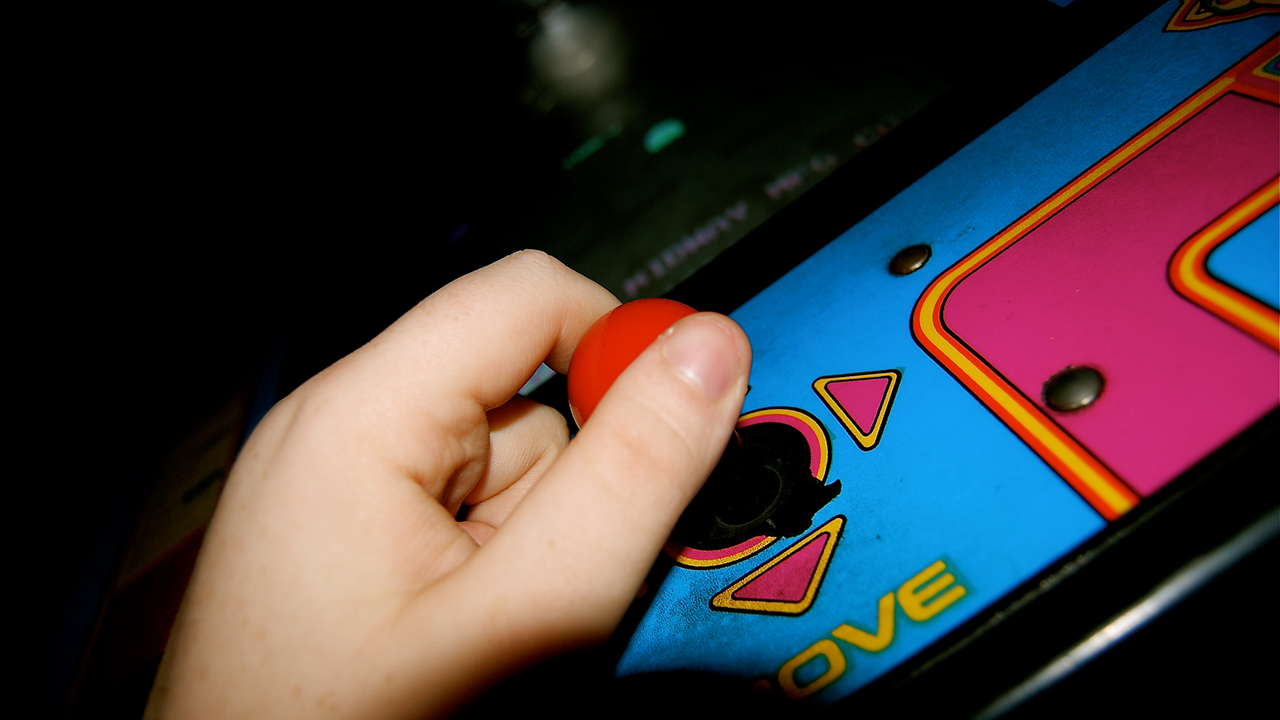
When Pac-Man debuted in arcades back in 1980, it brought an innovative experience to the gaming universe. During an era dominated by video games centered around cosmic conflicts and shooting tactics, this unique maze-based chase game stood out distinctly. Featuring vibrant colors, a straightforward concept, and memorable sound effects, Pac-Man turned into more than merely a game — it transformed into a cultural icon that made a significant mark on entertainment, design, and technology.
Developed by Toru Iwatani and released by Namco, Pac-Man was initially intended to appeal to a wider audience — particularly women — in a male-dominated gaming environment. Rather than emphasizing aggression or combat, the game revolved around evading ghosts and collecting dots, introducing a lighter, more strategic form of gameplay. This fresh approach paid off. Arcades were soon buzzing with people of all ages, captivated by the charming yellow character and the relentless pursuit through mazes.
Pac-Man’s global success was unprecedented. Within a year of its release, the game was generating millions in revenue and sparking massive interest in arcade machines around the world. It wasn’t just the addictive gameplay that drew people in — it was the entire experience. The distinct character design, catchy jingle, and ghost enemies (each with unique behavior patterns) made Pac-Man instantly recognizable, even outside of gaming circles.
What set Pac-Man apart was not just its commercial triumph, but its ability to create a legacy. It paved the way for character-driven games, influencing design and storytelling in future titles. Pac-Man became one of the first digital icons, appearing on merchandise, in television shows, and even inspiring music. This crossover appeal marked a turning point, proving that video games could be part of mainstream culture.
The game’s mechanics also brought in ideas that would later become essential in game design. The implementation of behaviors resembling AI in the ghosts was pioneering. Every ghost had its unique tactics, giving the game a lively and unexpected nature. Gamers could understand and adjust to these patterns, building abilities as they played, which contributed complexity to what seemed like a straightforward arcade game.
Beyond entertainment, Pac-Man’s influence extended into psychology, sociology, and marketing. The game’s success demonstrated how interactive media could engage users on emotional and cognitive levels. It also showed how design decisions — from color schemes to sound design — could deeply impact user experience. Many principles first demonstrated in Pac-Man’s interface are now studied in user experience (UX) research and applied across digital platforms.
Pac-Man didn’t just make video games more accessible — it helped legitimize them. In an era when gaming was still viewed as a niche hobby, Pac-Man’s widespread appeal helped to normalize the idea of playing games in public spaces. Families, couples, and friends gathered around arcade machines, bonding over shared strategies and high scores. This community element foreshadowed the rise of social gaming decades later.
As advancements in technology occurred, Pac-Man underwent transformations too. The character found new life in follow-up games, 3D explorations, and applications for mobile devices. Although these updates brought changes, the classic version still holds a legendary status. Its design has lasted through the years, attracting newer audiences to its allure. Whether enjoyed on an old-school arcade machine or a modern mobile display, the gameplay continues to captivate users, providing both a sense of nostalgia and an engaging challenge.
Pac-Man’s simplicity is part of its brilliance. Without complex narratives or photorealistic graphics, it captures attention and encourages persistence. It represents an era when gameplay itself was the star, and when innovation was measured by creativity, not just hardware. That spirit continues to inspire developers, artists, and entrepreneurs across industries.
More than four decades after its debut, Pac-Man’s impact is still visible. It contributed to the rise of gaming as a global industry, helped shape the aesthetics of interactive design, and proved that a game could be more than a pastime — it could be a symbol. From its humble beginnings in a Tokyo arcade to its place in museums and pop culture retrospectives, Pac-Man remains a timeless icon in a digital world constantly moving forward.