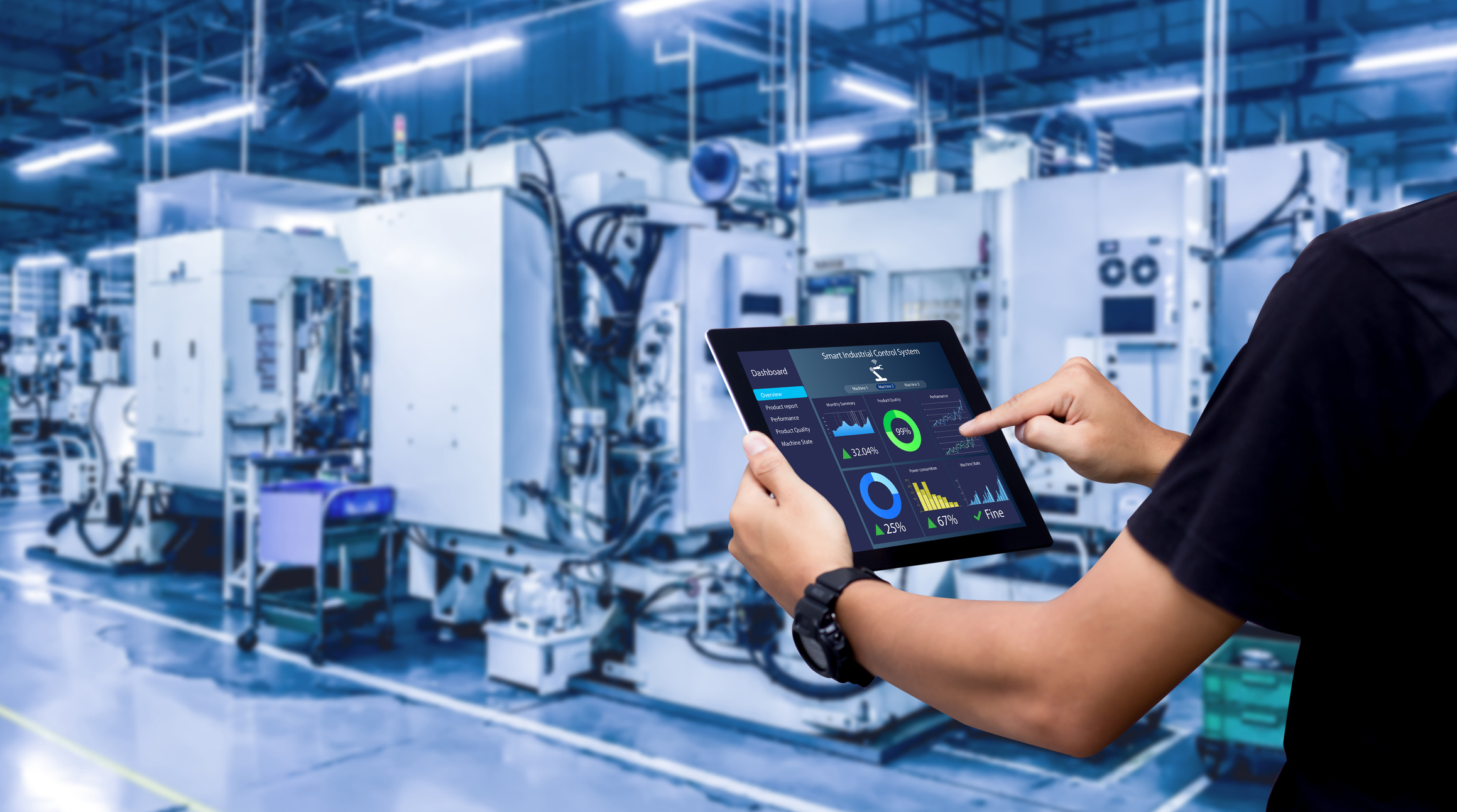
Industrial Internet of Things, widely known as Industrial IoT or IIoT, has progressed from simple connectivity and oversight into a strategic backbone for smarter operations, and this shift is seen most clearly in the departure from reactive and preventive maintenance toward predictive maintenance paired with rising degrees of operational autonomy, a change propelled not by hype but by tangible economic, technological, and operational pressures shaping contemporary industries.
The Limitations of Traditional Maintenance Models
For decades, industrial assets have been managed through either reactive or preventive strategies, with reactive maintenance addressing breakdowns only after they occur, while preventive maintenance depends on routine service intervals determined by elapsed time or operational use.
Each approach tends to generate inefficiencies:
- Reactive maintenance leads to unplanned downtime, production losses, safety risks, and expensive emergency repairs.
- Preventive maintenance often replaces components that are still functional, wasting labor, spare parts, and machine availability.
As industrial operations grew more intricate and capital-heavy, such inefficiencies soon became intolerable, as even a single unexpected hour of downtime can drain hundreds of thousands of dollars from major manufacturers, while industries like energy or chemicals may face even steeper repercussions due to regulatory and safety risks.
How Industrial IoT Powers Predictive Maintenance
Predictive maintenance uses IIoT sensors, connectivity, and analytics to anticipate equipment failures before they occur. Sensors continuously collect data such as vibration, temperature, pressure, acoustic signals, power consumption, and lubrication quality. This data is transmitted to edge or cloud platforms where advanced analytics and machine learning models detect anomalies and degradation patterns.
In contrast to preset preventive timetables, predictive maintenance relies on real operating conditions, and work is carried out only when indicators signal an increasing likelihood of failure rather than merely because the calendar dictates it.
Principal advantages comprise:
- Reduced unplanned downtime through early fault detection.
- Extended asset life by avoiding unnecessary stress and over-maintenance.
- Lower maintenance costs due to optimized spare parts and labor planning.
- Improved safety by identifying dangerous conditions before escalation.
For example, in rotating machinery like pumps and turbines, combining vibration analysis with machine learning enables the early identification of bearing deterioration weeks or even months before a critical failure occurs, allowing maintenance crews to step in during scheduled outages instead of reacting to sudden shutdowns.
Data Availability and Analytics Maturity
One reason predictive maintenance is now practical is the dramatic improvement in data infrastructure. Industrial sensors have become cheaper, more accurate, and more robust. Wireless connectivity standards and industrial Ethernet make it easier to connect legacy equipment. At the same time, cloud platforms and edge computing enable real-time analysis at scale.
Equally important is analytics maturity. Early IIoT systems focused on dashboards and alerts. Today, advanced algorithms can:
- Define standard operational patterns for each asset.
- Adjust to shifting factors such as workload, velocity, or surrounding conditions.
- Forecast the remaining service lifespan with progressively greater precision.
These capabilities turn raw sensor data into actionable intelligence, which is the foundation of both predictive maintenance and autonomous decision-making.
Why Autonomy Is the Next Logical Step
Once those predictive insights are in hand, the question shifts to identifying who or what should respond to them, and depending only on human action restricts the potential of IIoT in extensive or distant environments, which is precisely where autonomy becomes essential.
Autonomous industrial systems can automatically adjust operating parameters, schedule maintenance tasks, order spare parts, or safely shut down equipment when risk thresholds are exceeded. Human operators remain in control at a supervisory level, but routine decisions are handled by systems that react faster and more consistently.
Autonomy is especially valuable in:
- Remote sites such as offshore platforms, mines, and wind farms.
- High-speed production lines where reaction time is critical.
- Operations with labor shortages or aging workforces.
For example, an autonomous compressed air system may spot efficiency drops, fine‑tune pressure levels, and shut off leaks without needing manual checks, resulting in lower energy use and greater operational uptime.
Economic Pressures and Competitive Advantage
Global competition remains a significant force, with manufacturers and operators continually pushed to cut expenses while elevating both quality and reliability. Predictive maintenance and autonomy strongly reinforce these objectives.
Studies across industries have shown that predictive maintenance can reduce maintenance costs by 10 to 40 percent and unplanned downtime by up to 50 percent. These improvements translate into higher overall equipment effectiveness and faster return on capital investments.
Companies that implement IIoT-driven autonomy secure benefits that extend beyond cost savings to greater agility, as they shift production timelines, maintenance strategies, and energy consumption in real time, guided by actual operating conditions instead of fixed projections.
Key Factors in Safety, Regulatory Compliance, and Sustainability
Industries are likewise driven toward predictive and autonomous systems by safety requirements and regulatory obligations, as identifying faults early can lower the likelihood of fires, explosions, or environmental damage, while automated reactions help ensure that safety measures are carried out reliably, even in high‑pressure situations.
From a sustainability perspective, predictive maintenance minimizes waste by extending asset life and reducing unnecessary replacements. Autonomous optimization reduces energy consumption, emissions, and resource usage. These outcomes align with environmental targets and stakeholder expectations, making IIoT initiatives easier to justify at the executive level.
Challenges and the Path Forward
Despite its benefits, the shift is not without challenges. Data quality, cybersecurity, integration with legacy systems, and workforce skills remain critical issues. Trust in autonomous decisions must be built gradually through transparency, validation, and human oversight.
Most successful organizations often progress by following a step‑by‑step strategy:
- Start with condition monitoring and descriptive analytics.
- Progress to predictive models for high-value assets.
- Introduce semi-autonomous actions with human approval.
- Expand autonomy as confidence and reliability grow.
Such progress ensures that technology, workflows, and individuals advance in unison.
The shift within industrial IoT toward predictive maintenance and autonomy represents a wider evolution in how industries confront complexity, risk, and overall performance, showing that connectivity by itself is no longer sufficient as real value now stems from foresight and informed action; predictive maintenance transforms uncertainty into readiness, while autonomy converts understanding into swift, reliable responses, and together they recast industrial operations as adaptive ecosystems that continuously learn, choose, and refine, enabling organizations not merely to respond to what lies ahead but to actively shape it.