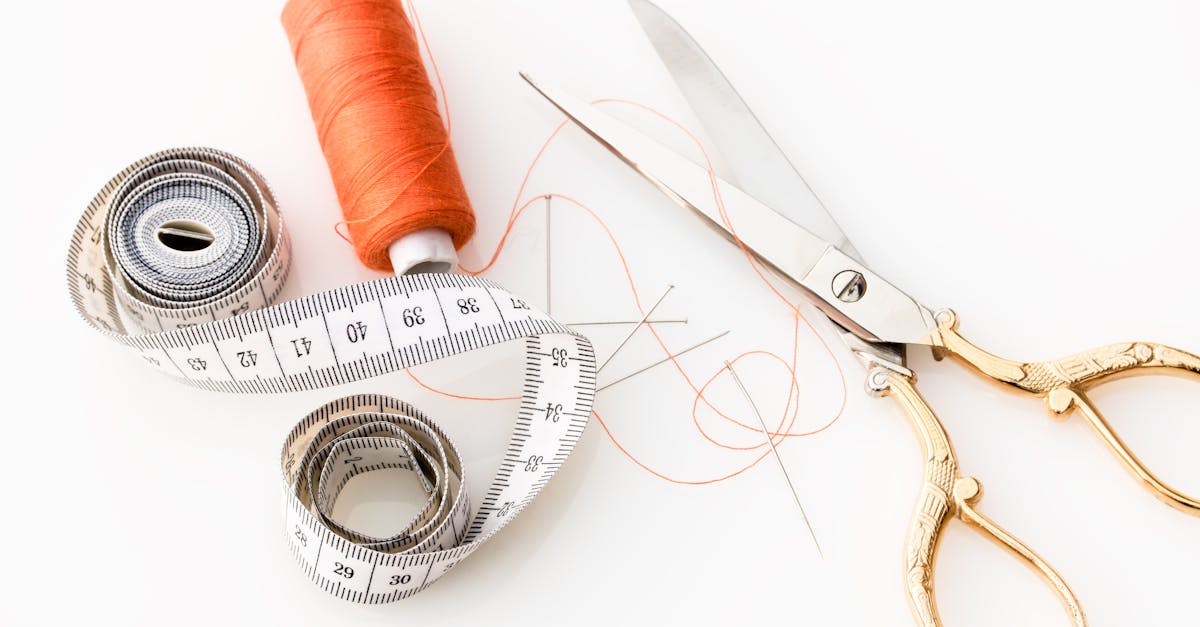
In the realm of fashion, the concept of “fitting” transcends the mere act of trying on clothes to see if they are the right size. It is an intricate dance of style, functionality, and personal taste. This notion is deeply rooted in both the industry’s historical development and the evolution of cultural aesthetics. Understanding fitting in fashion requires a comprehensive look at how garments are designed, tailored, and adjusted to align with both individual preferences and widespread trends.
Why Achieving the Right Fit Matters
Proper fit is crucial to fashion as it ensures that garments are comfortable, flattering, and functional. A well-fitted piece can enhance an individual’s appearance, boosting confidence and allowing for ease of movement. Historically, clothing was custom-made for each person, a practice that exemplified fitting’s importance. However, with the rise of off-the-rack clothing in the 19th and 20th centuries, fitting became a critical factor in ready-to-wear fashion. Brands had to create garments that could comfortably and attractively fit a wide range of body types.
The Scientific Principles Underlying Fitting
The science of fitting draws on knowledge of human anatomy, textile behavior, and design aesthetics. Designers apply a mix of mathematical principles and creative intuition to develop patterns that reflect the body’s proportions and movement. Advanced tools, including 3D scanning and computer‑aided design (CAD), have transformed this workflow by delivering highly accurate measurements and virtual models. These innovations enable the production of garments that are not only visually refined but also engineered to accommodate diverse body shapes and dynamic postures.
Case Analyses on Fitting
A notable illustration can be found in the tailoring trade on Savile Row, London, celebrated for its bespoke suits, where fit becomes not merely a technical detail but a defining mark of artisanal skill, often requiring several fittings and highly precise measurements to secure an impeccable result; in contrast, brands such as Zara in the fast fashion arena focus on rapidly interpreting prevailing trends and delivering reasonably well‑fitting garments across various sizes, forgoing the individualized attention characteristic of bespoke tailoring.
The Influence of Individual Preference
Fitting involves more than basic measurements or size guides, as personal preference strongly shapes how people experience the way their clothes sit on the body. Some individuals favor a close, form‑defining cut, whereas others lean toward a loose, laid‑back silhouette that enhances ease and mobility. Cultural influences and evolving fashion movements also guide these choices, and the rise of oversized looks driven by streetwear brands in recent years illustrates a clear move toward more relaxed fits.
How Cultural Trends Shape Society
Cultural trends exert a substantial influence on perceptions of fitting. The 1960s and 70s saw a shift towards more fluid silhouettes, in contrast to the structured tailoring of the 1950s. More recently, the body positivity movement has propelled the demand for inclusive sizing and more personalized fitting solutions. This has led to increased availability of clothing that accommodates diverse body types, challenging the traditional notions of standardized sizes.
Fitting and Sustainability
Sustainability has become a pivotal concern in fashion, and fitting plays a crucial part in this conversation. Well-fitted garments are less likely to be discarded due to discomfort or poor aesthetics, leading to more sustainable consumer habits. Tailoring services and brands focusing on customizable clothing emphasize durability and long-term satisfaction, aligning with sustainable practices.
Reflecting on the multifaceted nature of fitting in fashion uncovers its complex interaction among personal expression, cultural evolution, and technological innovation, while the ongoing exchange across these dimensions continuously shapes a more inclusive and progressive fashion industry that evolves to meet a wide spectrum of individual needs and preferences.