Our website uses cookies to enhance and personalize your experience and to display advertisements (if any). Our website may also include third party cookies such as Google Adsense, Google Analytics, Youtube. By using the website, you consent to the use of cookies. We have updated our Privacy Policy. Please click the button to view our Privacy Policy.

Investments and Business

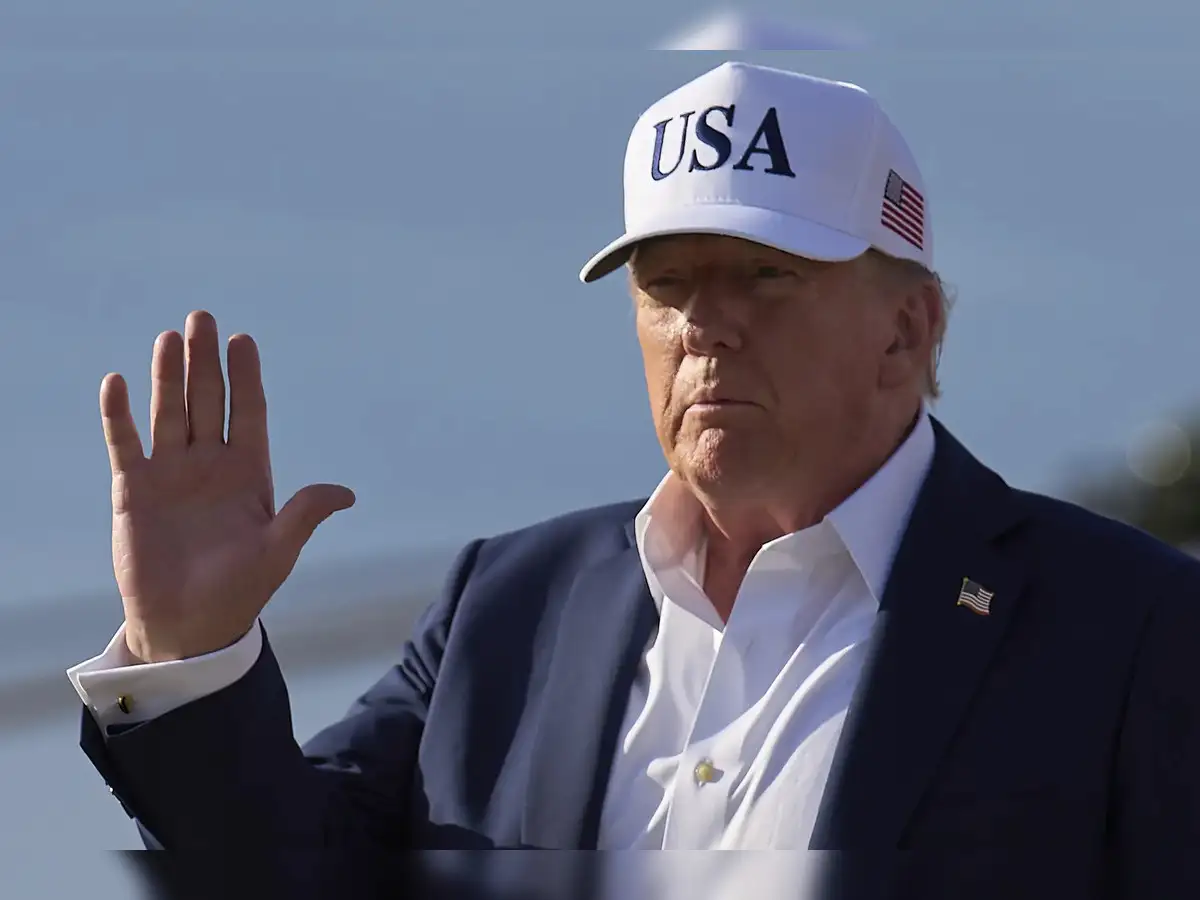
Ramaphosa opposes Trump's 30% tariff on South Africa

Ramaphosa speaks out against Trump’s 30% tariff on South Africa

South Africa’s President, Cyril Ramaphosa, has publicly expressed his opposition to the proposed 30% tariff on South African goods, recently announced by former U.S. President Donald Trump. The tariff proposal, which forms part of a broader economic strategy linked to trade realignments, has raised concerns not only within South Africa but also among global trade observers who fear its potential impact on international relations and emerging market economies.The suggested tariff, focused particularly on exports from South Africa to the United States, aligns with Trump's persistent narrative highlighting national priorities and safeguarding American businesses. The former president has justified the decision…
Read More
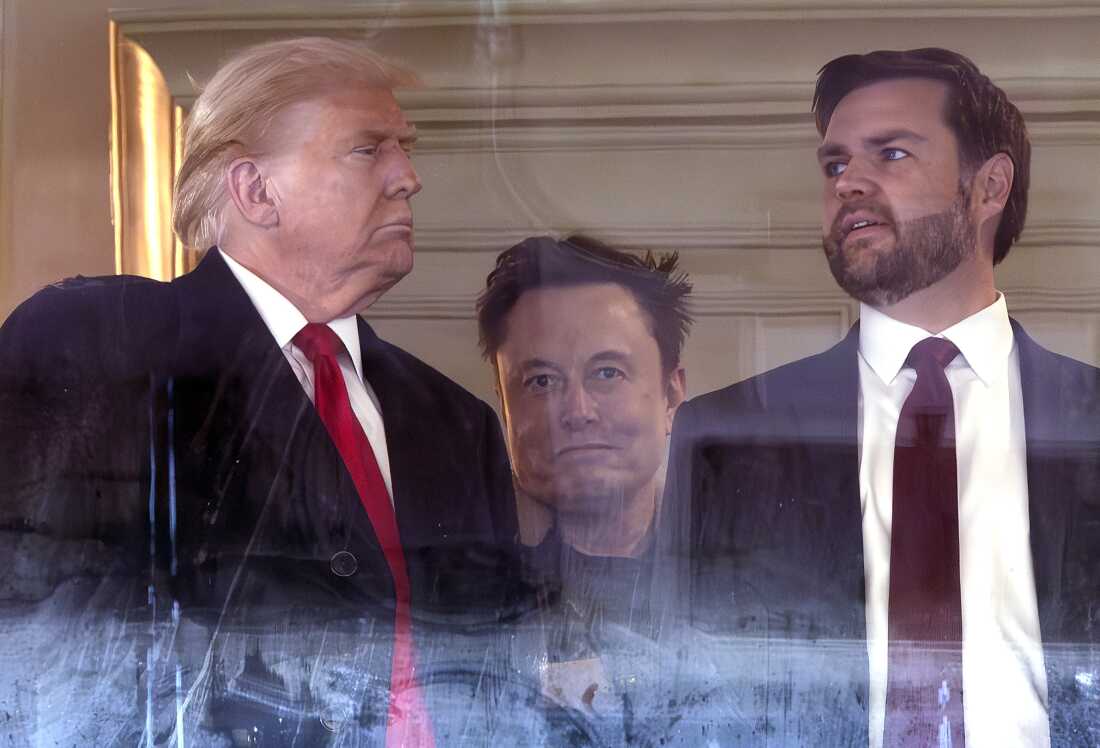
The Trump-Musk breakup appears to be complete

Trump-Musk relationship appears officially over

In recent months, the relationship between former U.S. President Donald Trump and billionaire entrepreneur Elon Musk has appeared to unravel, signaling a notable shift in the dynamic between politics and business leadership in the United States. Once regarded as potential allies with overlapping interests in deregulation, economic growth, and freedom of expression, the two high-profile figures now seem to be on diverging paths, with implications that could ripple across both the political landscape and the business world.The cooling of relations between Trump and Musk has been gradual yet unmistakable. While their interactions were never formally established as a political partnership,…
Read More
Trump announces 25% tariffs on South Korea and Japan

Trump reveals 25% tariffs on South Korea and Japan

In a significant escalation of global trade tensions, the United States government has announced the introduction of 25% tariffs on a wide range of imports from two key allies: South Korea and Japan. The decision, unveiled by former President Donald Trump in the midst of his ongoing campaign activities, marks a new chapter in the complex trade relationships between Washington and two of its most important economic partners in Asia.The statement has triggered immediate responses from financial markets, government officials, and business executives across both sides of the Pacific Ocean. The fresh tariffs are anticipated to affect a wide array…
Read More
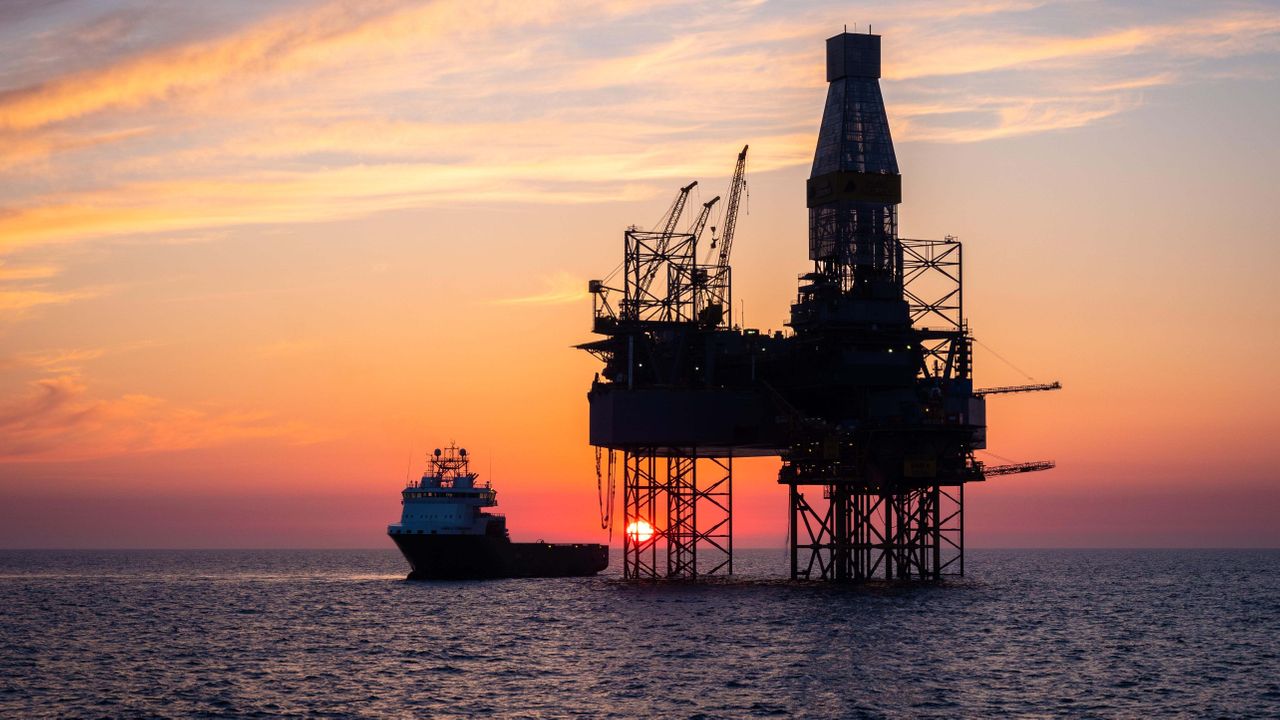
Why Oil Drillers Are Investing Big in South America

South America: The New Hotspot for Oil Drillers

South American countries are rapidly becoming a center of attention for global investments in oil and gas, capturing the interest of leading energy corporations worldwide. With extensive unexplored reserves, political changes, and increasing global need for hydrocarbons, the area is establishing itself as a more appealing location for oil drilling and production. Prominent industry figures are investing billions in South American initiatives, indicating a fresh era in the worldwide energy sector.The renewed interest in South America’s oil potential is driven by a combination of factors, including technological advancements, evolving geopolitical dynamics, and the need for diversified energy supplies. Countries like…
Read More
There are hundreds of temporary tariff-free zones — and they’re in the US

Exploring the US’s hundreds of temporary tariff-free zones

In the intricate realm of international trade, tariffs frequently have a significant impact on economic policies, global supply chains, and the prices that consumers encounter for standard products. However, although much focus is placed on debates about trade restrictions and the duties applied to imports, there is an underappreciated system in the United States that enables companies to evade certain tariffs entirely: Foreign-Trade Zones (FTZs).The regions dispersed throughout the nation offer businesses temporary reprieve from tariffs under particular circumstances, providing adaptability that can greatly influence company activities, expenses, and competitive standing. Despite being mostly unnoticed by typical consumers, FTZs play…
Read More
Tariffs, explained: What Trump wants from all these trade deals

Tariffs, explained: What to know about Trump’s trade deal plans

In recent years, the subject of tariffs has moved from the pages of economic textbooks to the forefront of public debate, largely driven by former U.S. President Donald Trump’s high-profile approach to international trade. While tariffs have long been a key tool in the economic policies of nations around the world, their use under Trump's administration reignited discussions about their purpose, effectiveness, and long-term impact on global markets and domestic industries.Tariffs, at their core, are taxes placed on imported goods. They are designed to make foreign products more expensive, thereby encouraging consumers and businesses to purchase domestically produced alternatives. Governments…
Read More
Why Tesla’s Cybertruck has been such a flop

Why Tesla’s Cybertruck isn’t a success

When Tesla first introduced the Cybertruck to the world, it sparked an enormous wave of attention, curiosity, and debate. Its futuristic design, bold promises, and the reputation of Elon Musk and Tesla combined to create a level of hype rarely seen in the automotive industry. Many envisioned the Cybertruck as a groundbreaking entry into the highly competitive pickup truck market, poised to disrupt traditional manufacturers and revolutionize how we think about utility vehicles. Yet, despite this initial excitement, the Cybertruck has struggled to meet expectations and capture the widespread success that many had predicted.Several factors help explain why the Cybertruck’s…
Read More
One in 10 cars sold in UK made in China

UK car sales: one out of ten made in China

In the past few years, the auto sector in the United Kingdom has experienced a remarkable change. One of the most prominent changes is the rising number of Chinese-made vehicles appearing on roads across Britain. What was initially a growing tendency has evolved into a notable alteration: about ten percent of newly purchased cars in the UK come from Chinese manufacturers. This transformation underscores the shifting dynamics of the worldwide automotive market and the expanding impact of Chinese car producers on global consumer preferences.The steady rise of Chinese-made cars in the UK is the result of several factors, including advancements…
Read More
What have tariffs really done to the US economy?

What tariffs have actually done to the US economy

Tariffs have long been a central tool in the arsenal of economic policy, used by governments to influence trade, protect domestic industries, and generate revenue. In recent years, the United States has relied heavily on tariffs as part of its broader trade strategy, particularly in relation to China and other key trading partners. This renewed focus on protectionism has sparked intense debate over whether tariffs help or harm the U.S. economy. A closer look reveals that the effects of these policies are complex, far-reaching, and often produce mixed results.At their core, tariffs are essentially taxes imposed on imported goods. By…
Read More
50 euro banknote folding on top of piled coins

Smart ways to protect your savings during an economic crisis

An economic downturn, caused by factors such as a recession, a banking failure, geopolitical conflicts, or a worldwide health crisis, typically generates significant uncertainty. Inflation, currency depreciation, stock market declines, and widespread unemployment can pose threats to savings. For instance, during the 2008 Global Financial Crisis, numerous people watched significant segments of their investments disappear and encountered sudden liquidity issues. Safeguarding your savings in these volatile periods is vital for ensuring financial security and mental calmness.Diversification: The Core DefenseDiversification is the fundamental principle for safeguarding savings. Spreading assets across multiple categories—like cash, bonds, equities, commodities, and real estate—reduces risk exposure.…
Read More