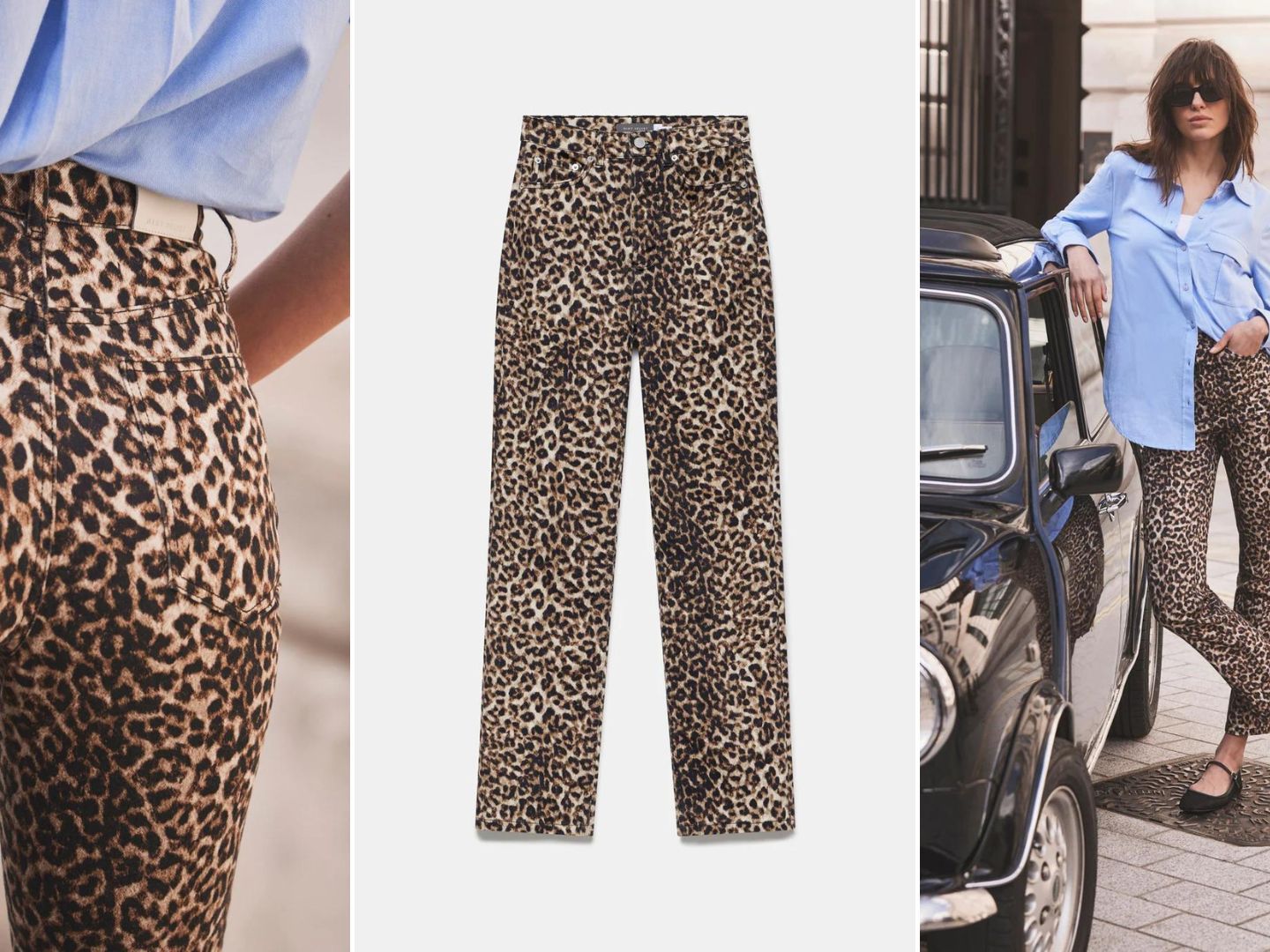
In the dynamic realm of fashion, some designs that used to be seen as audacious or temporary have slowly become essential items in wardrobes. A striking illustration is animal print—a pattern frequently regarded as adventurous or opulent. Nevertheless, the prevailing opinion in fashion now indicates that animal print ought to be considered not merely a fleeting fashion or standout item, but as a flexible, reliable neutral.
For decades, prints such as leopard, cheetah, and zebra were primarily reserved for eye-catching moments—styled for nightlife, editorial shoots, or high fashion runways. These prints were synonymous with maximalism, and their strong visual identity led many to treat them with caution. But style sensibilities have shifted. Today, animal print is widely embraced across a range of aesthetics, from minimalist to bohemian, and its adaptability is challenging long-held fashion conventions.
What defines a neutral in fashion is less about color and more about wearability and the ability to pair effortlessly with other elements. Traditional neutrals—black, white, beige, navy, and gray—are valued because they provide a foundation for building cohesive outfits. Animal prints, particularly in their classic brown-and-black palettes, function in much the same way. Leopard print, for instance, blends seamlessly with monochrome pieces and earthy tones while also complementing bright, saturated hues. This makes it a powerful styling tool that transcends seasonal limitations.
Part of what makes animal print so dynamic is its ability to add visual interest without overwhelming a look. While florals or plaids might compete with other prints or textures, a well-chosen animal print can ground an outfit while adding a layer of sophistication. A leopard-print midi skirt can be styled with a simple white tee and denim jacket for an effortless daytime look, or paired with a structured blazer and heels for polished evening wear.
Those well-versed in the fashion world have recognized this concept for quite some time. Fashion experts often consider animal patterns as essential components of capsule wardrobes due to their versatility in both informal and dressy environments. Year after year, designers revisit these patterns not as fleeting trends, but as timeless elements that provide stability to their collections. Animal prints are seen consistently across various apparel, from accessories to outerwear, adapting to current styles while preserving their fundamental charm.
Fashion’s democratization via social media and online shopping has influenced the way animal print is perceived. On platforms such as Instagram, TikTok, and Pinterest, influencers frequently show how these designs can be incorporated with elegance and purpose. Rather than being the centerpiece of an ensemble, animal prints are typically utilized to enhance texture or provide contrast. Snakeskin boots paired with a muted ensemble, or a cheetah-print scarf draped over a simple sweater, offer depth without overpowering the appearance.
Moreover, animal prints offer a sense of individuality and flair without requiring risk. For those who prefer streamlined wardrobes but want to avoid monotony, these patterns provide a balanced way to introduce variety. The predictability of the print’s color palette ensures it remains wearable, while the organic nature of the pattern itself prevents it from feeling static.
The contemporary acceptance of animal prints as neutrals also mirrors wider transformations in fashion consumption and interpretation. There is a growing focus on individuality, eco-friendliness, and creating timeless wardrobes instead of pursuing short-lived trends. Within this framework, animal prints deliver both durability and fashion. Their recurring presence throughout the seasons confirms their lasting appeal, and their versatility aids in thoughtful dressing.
Color psychology may also contribute to the enduring popularity of these prints. The natural tones found in most animal prints—think warm browns, deep blacks, and sandy beiges—mirror hues found in nature, which are often perceived as grounding and calming. These color associations reinforce the idea that animal print doesn’t have to shout; it can whisper, blending seamlessly into both everyday and elevated ensembles.
Some might contend that the widespread presence of animal print could lessen its effect; however, its regular incorporation actually reinforces its role as a neutral element. Similar to how stripes or polka dots have been absorbed into mainstream fashion language, animal print has evolved past being a mere fad. It is no longer confined to the fringes of fashion, used solely for bold expressions or defiance; it has become part of the essential fashion vocabulary.
Additionally, there’s an increasing movement towards reinventing animal print with surprising color schemes like leopard spots in neon pink, snakeskin in shades of blue, or tiger stripes in grayscale. This provides greater flexibility for individuals wishing to customize their appearance. Nevertheless, it’s the traditional versions that maintain the most lasting charm. These patterns have an ageless nature that enables them to endure beyond changing trends and stay pertinent as the wider fashion scene progresses.
In retail, the presence of animal print across all market tiers—from fast fashion to luxury houses—illustrates its widespread acceptance. It is no longer a mark of extravagance or rebellion, but a fashion mainstay embraced by a diverse range of consumers. Whether it’s a structured cheetah blazer at a Paris fashion show or a budget-friendly zebra-print bag found online, animal print is being worn not just to stand out—but to blend in stylishly.
Finally, considering animal print as a neutral acknowledges its part in the development of contemporary fashion. It defies the idea that neutrals need to be plain or understated, showing that texture, design, and personality can harmonize with adaptability. It encourages individuals to rethink the concept of a versatile wardrobe—not just in terms of hue, but in essence.
As fashion continues to embrace inclusivity and diversity in expression, it’s only natural that patterns once seen as unconventional are now seen as essential. Animal print’s journey from the fringe to the forefront of fashion is a testament to its adaptability, its timeless charm, and its capacity to act not merely as an accent—but as a foundation.