Unveiling Gianni Versace’s Distinctive Style DNA
Gianni Versace revolutionized the aesthetic lexicon of luxury apparel, imbuing the sector with a daring and sensuality that endure as legendary long after his rise. Delving into the core of Versace’s vision uncovers a fusion of creative craftsmanship, audacious palette pairings, classicism, and an exaltation of the anatomy. His philosophy persistently shapes creators and guides the discourse of international style. What truly characterizes Gianni Versace’s look is a mosaic spun from varied influences and an undeniable aesthetic boldness.
The Foundation: The Medusa Emblem and Mythological Roots
At the heart of Versace’s design heritage lies the Medusa symbol, a fixture across a vast array of creations. Borrowed from classical Greek mythology, the Medusa embodies a blend of magnetism and peril—serving as a striking assertion about how beauty and strength intersect within the fashion world. Heavily drawn to Italian and classical traditions, Versace wove elements such as Greek keys and baroque flourishes into his fabrics and patterns. Rather than functioning as mere nostalgic throwbacks, these touches act as a springboard for an unreservedly contemporary vision.
Coloration: A Palette of Provocation
Versace’s use of color is synonymous with visual exhilaration. In an era marked by minimalism, Gianni Versace embraced opulent hues—from saturated fuchsias and electric blues to tangy yellows and deep emeralds. His palette ran riot across silks, leathers, and eveningwear, embodying a spirit of glamour and celebration. This chromatic boldness is perhaps best showcased in his Spring/Summer 1991 collection, where clashing colors, powerful print juxtapositions, and accentuations in gold hardware became an enduring signature.
Prints and Patterns: Ornate and Unapologetically Bold
Versace signature prints are notorious for their intricacy and maximalism. He popularized swirling baroque motifs, animal prints—most notably leopard and zebra—and photographic pop culture graphics. The 1990s saw his embrace of Andy Warhol-inspired patterns, as demonstrated in the infamous 1991 “Pop Art” collection, where Marilyn Monroe’s visage was splashed across silk dresses and shirts. No other luxury house matched this marrying of fine art, classical sculpture, and modern irony, producing clothing that was as visually arresting as a Renaissance fresco.
Tailoring: Fluidity Meets Structure
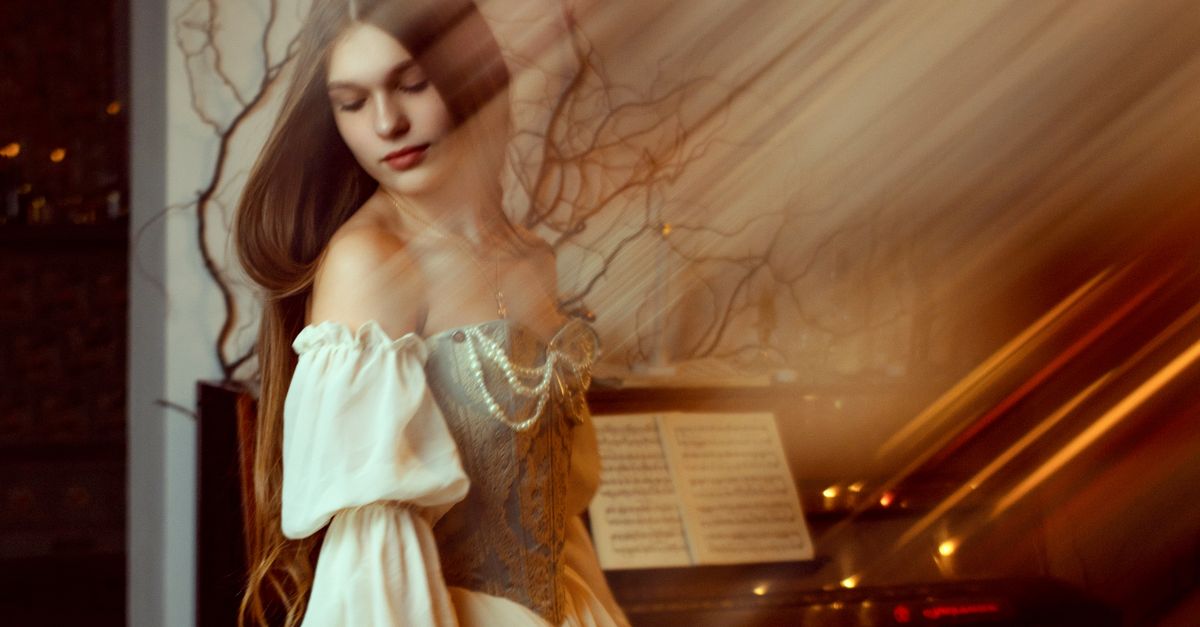
Versace’s expert tailoring bridges the realms of architectural discipline and unrestrained sensuality. His menswear revolutionized the male silhouette by introducing sharply tailored jackets often accentuated with bold lapels and unorthodox detailing. In womenswear, Versace challenged conventions by blending body-hugging silhouettes with intricately engineered cuts—think of the structured corset dresses or the “safety pin” dress worn by Elizabeth Hurley in 1994, which masterfully balanced edge and sophistication.
Sensuality and Empowerment: More Than Skin-Deep
One of the most frequently debated traits of Versace’s aesthetic is its striking sensuality. Form-fitting dresses frequently incorporated cutouts, deep necklines, or high slits meant to accentuate instead of hide. Yet, far from acting as simple provocation, these pieces championed freedom and confidence. Versace viewed sensuality as a vehicle for empowerment—perfectly embodied by supermodels such as Naomi Campbell and Cindy Crawford, who served as the living personification of this vision on the catwalk.
The Spirit of Excess: Embellishments and Materials
Intricate beadwork, cascades of Swarovski crystals, gold medallions, and lavish embroidery were hallmarks of Versace’s collections. Materials played a crucial role: leather, metallic mesh (famously the “Oroton”), and rich velvets coexisted with delicate chiffons and glossy silks. The layering of precious materials signaled a commitment to craftsmanship and spectacle, elevating clothes to the status of wearable art.
Cultural Fusion and Provocation
Versace demolished the boundaries between street culture, haute couture, and celebrity. He cultivated the concept of the “supermodel era,” assembling fashion titans for dramatic runway tableaux. Iconic campaigns shot by Richard Avedon and Herb Ritts fused fashion with visual art, redefining advertising standards. His provocative approach drew both criticism and acclaim, with some collections inspiring controversy for their perceived audacity—a deliberate tactic that ensured his house and collections never faded into the background.
The Enduring Impact and Recognition
Through his bold vision, Gianni Versace built not merely a brand but a lifestyle. Even after his death in 1997, the house continues to interpret these codes—archival motifs, unabashed color, and glamorous rebellion—while modernizing for fresh audiences. Analysis of contemporary fashion recounts Versace’s imprint upon runway conventions, celebrity dressing (recall Jennifer Lopez’s green silk-chiffon dress at the Grammy Awards in 2000, later dubbed simply “the Versace dress”), and the ongoing conversation about the intersections of fashion, art, and personal identity.
The essence of Gianni Versace’s aesthetic goes far beyond a mere assortment of design elements and visual themes; rather, it represents a masterful blend of boldness, tradition, and creativity aimed at celebrating elegance and strength. This iconic look continues to captivate—hypnotic, groundbreaking, and lavishly daring.