Osteoarthritis ranks among the most prevalent joint issues globally, impacting millions as they grow older. Marked by the slow degradation of cartilage, it commonly results in rigidity, inflammation, and discomfort that hampers daily tasks. Standard treatments usually involve drugs, physical therapy, or, in severe cases, surgery. However, recent studies indicate that even a slight change in one’s walking style could substantially reduce pain. This straightforward adaptation provides an easy and non-invasive method for those seeking effective strategies to handle their condition.
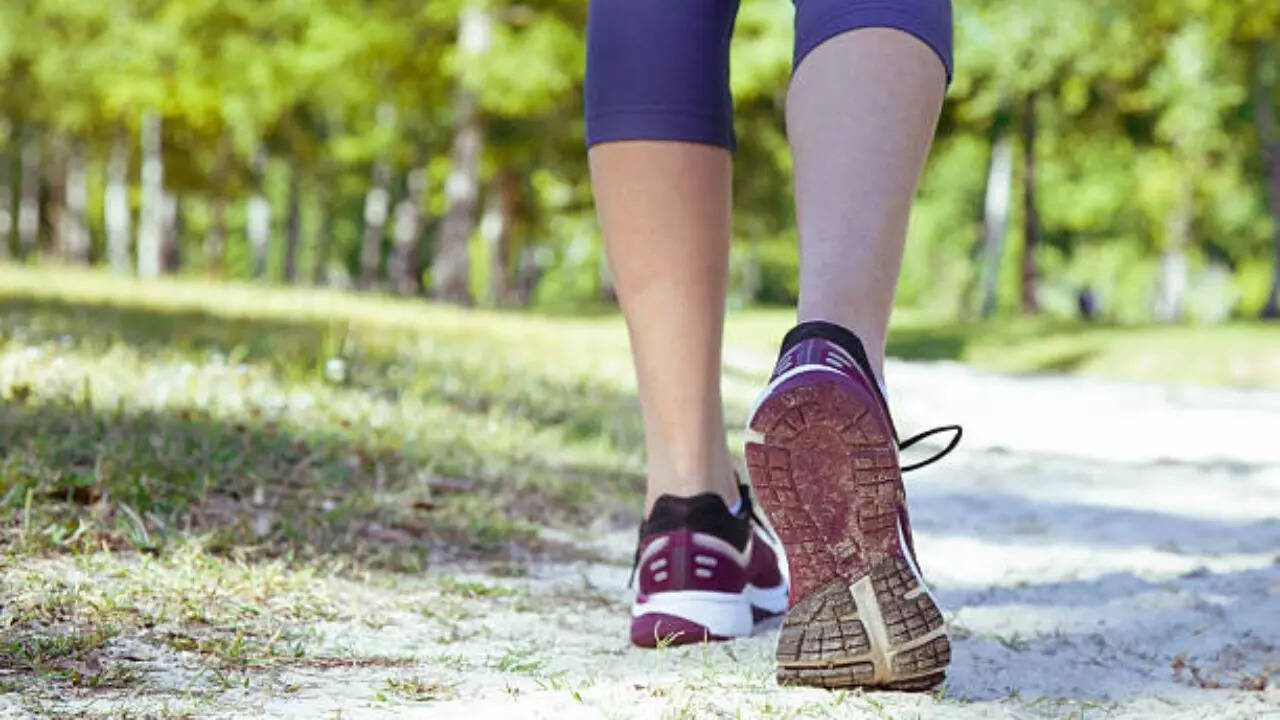
Walking is a fundamental ability that many people overlook, but the way each step is taken affects how weight and force are allocated across the joints. For those with osteoarthritis in their knees, hips, or ankles, incorrect walking habits can exacerbate symptoms and speed up the deterioration of the joints. Scientists exploring the relationship between walking patterns and alleviation of pain have discovered that deliberately altering the length of the stride, positioning of the feet, or posture might change pressure distribution, helping to lessen stress.
One of the most promising findings is that a minor change in foot angle can shift the load away from the damaged areas of the knee joint. By slightly turning the foot inward or outward during walking, depending on the individual’s condition, patients may experience reduced pain during movement. This adjustment can also slow the progression of cartilage damage, as it prevents the same parts of the joint from absorbing repetitive stress. Physical therapists are increasingly teaching these methods to patients as part of customized rehabilitation programs.
Beyond the angle of the foot, modifying the length of one’s steps can also have an impact. Individuals who take shorter, more measured strides might experience reduced knee stress, which can lessen pain during extended walking sessions. On the other hand, some individuals may gain from extending their stride to enhance both balance and alignment. The essential factor is personal evaluation, acknowledging that each individual’s anatomy and condition are distinct. Personalized adjustments can turn walking from a painful chore into a manageable and potentially therapeutic experience.
These results hold significant value because osteoarthritis lacks a cure, leaving numerous patients focusing on symptom management instead of reversing the ailment. Medications may provide short-term comfort for some but are often accompanied by possible adverse effects. Surgical interventions, like joint replacements, can be very successful, yet aren’t always feasible due to factors such as age, health concerns, or financial constraints. In light of this, adapting something as basic as walking style offers a cost-efficient and low-risk method that enables patients to manage their mobility independently.
The benefits of walking modifications extend beyond joint pain. Proper gait alignment also reduces stress on supporting muscles and ligaments, which often become strained when compensating for weakened joints. By distributing pressure more evenly, the body can maintain balance more effectively, preventing falls and other injuries. Over time, patients who practice these techniques may experience improvements in endurance, confidence, and overall quality of life. In this sense, the approach is holistic, targeting both physical and psychological aspects of osteoarthritis management.
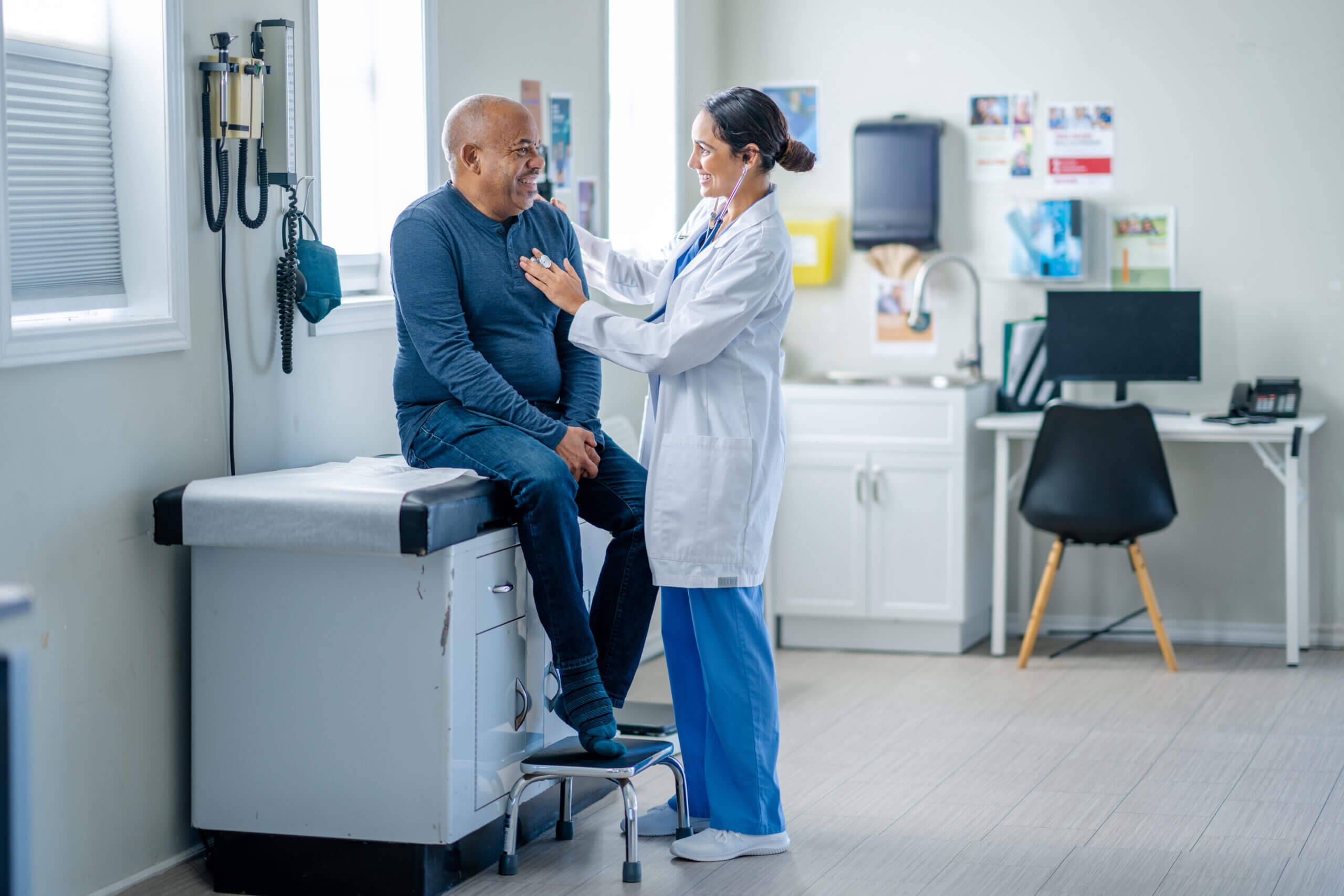
Speaking with healthcare professionals like doctors and therapists, they stress the importance of making these modifications cautiously, preferably with professional oversight. Making changes to how one walks without the proper guidance can cause additional imbalances or discomfort in different parts of the body. For instance, incorrectly shifting one’s weight might reduce knee discomfort but elevate pressure on the hips or spine. This is why healthcare specialists advocate for gait assessments, typically conducted in medical facilities using specialized tools, to determine which adjustments are most advisable for each individual.
Technology is starting to be a factor in expanding access to gait training. Wearable gadgets and mobile apps currently enable individuals to track their walking habits continuously. These devices can offer insights into stride length, pace, and how feet are positioned, facilitating the adoption of improved walking techniques beyond medical environments. As these innovations become more widely available, they might contribute to making gait alteration a typical component of osteoarthritis management.
Importantly, modifying walking habits is intended to supplement, not substitute, other treatment options. Pairing gait training with low-impact activities like swimming, cycling, or yoga can additionally help diminish stress on joints while enhancing the muscles needed for movement. Moreover, keeping a healthy weight remains one of the most successful methods for alleviating pressure on joints affected by arthritis. Collectively, these lifestyle adjustments form a holistic approach to handling osteoarthritis without depending solely on medical treatments.
The psychological benefits of regaining control over one’s movement should not be underestimated. Osteoarthritis often leaves individuals feeling limited, frustrated, or dependent on others. Discovering that something as accessible as adjusting how they walk can relieve pain instills a sense of empowerment. Patients report feeling encouraged to stay active, which in turn supports overall health and slows the decline associated with sedentary lifestyles. In this way, a small physical change can spark broader improvements in well-being.
While much of the focus has been on knee osteoarthritis, researchers believe gait modifications may help with pain in other joints as well. Hip and ankle osteoarthritis, though less common, can also benefit from better weight distribution achieved through walking adjustments. Studies are ongoing to determine exactly which strategies work best for different joints, but early results suggest that the principle of shifting pressure away from damaged areas is widely applicable. This raises hope that a simple method could improve life for people with diverse forms of arthritis.
Despite the optimism, experts caution that not every patient will experience dramatic results. Osteoarthritis varies widely in severity, and individuals with advanced joint damage may still require medical or surgical treatments. However, even in severe cases, gait training can provide some level of relief and support recovery after medical interventions. For newly diagnosed patients or those with mild to moderate symptoms, adopting walking modifications early may delay the need for more aggressive treatments later in life.
Examining future prospects, incorporating techniques for altering walking patterns into public health communications may decrease the impact of osteoarthritis. As healthcare systems encounter rising demand from aging societies, self-administered, cost-efficient methods are extremely beneficial. Informing the public on how minor changes in everyday tasks can safeguard joint well-being might contribute to lowering the incidence of disability tied to the condition. Campaigns to raise public awareness, along with progress in digital monitoring, might integrate gait training as a central aspect of arthritis treatment.
The statement that a small adjustment in walking technique can alleviate osteoarthritis discomfort emphasizes the promise of simple, daily solutions in healthcare. Rather than depending exclusively on drugs or surgical alternatives, patients can incorporate their own actions into the therapeutic process. By collaborating with specialists, utilizing current technology, and maintaining regularity, individuals have a chance to regain freedom of movement. In a society where long-term ailments frequently seem insurmountable, finding that ease might be as close as just one stride instills hope and strength.