

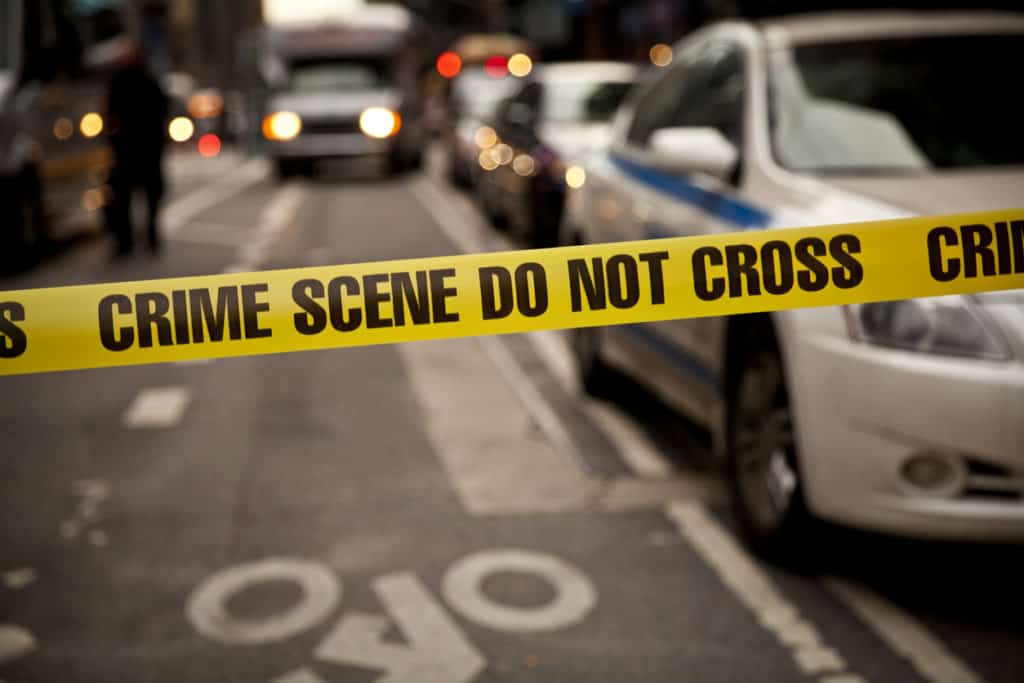
A person in Chicago was sadly shot and lost their life during a broadcast on Facebook Live, an alarming event that emphasizes the increasingly blurred boundaries between online life and real-world violence. The individual was live-streaming at the moment of the deadly incident, capturing the terrifying moment for viewers around the globe as it happened in real-time. This tragic intersection of social media and street violence has become a worrying trend, prompting serious questions about technology’s role in recording and, at times, escalating violence. The occurrence serves as a startling and somber reminder of the risks that people face, even as they strive to interact with their communities online.
The event occurred with alarming rapidity. As the man was reportedly engaging with friends and followers on the social media site, gunfire erupted. What began as a casual live stream turned into a horrifying account of his last moments. Although Facebook has since taken down or limited access to the video, it rapidly circulated online, showcasing how swiftly tragic news can disseminate in today’s digital world. This incident highlights the dual nature of a platform meant for celebrating life’s joyful and mundane moments, which can also capture and amplify moments of significant and irreversible tragedy.
This is not an isolated event. Over the past few years, there have been a number of similar cases where violent acts, including assaults and homicides, have been live-streamed on social media. These events challenge our understanding of public and private space, forcing us to confront the fact that our digital lives are now inextricably linked to our physical ones. They also raise difficult questions about the responsibility of social media companies to monitor and moderate content. While these platforms have implemented sophisticated algorithms to detect and remove violent material, the real-time nature of live streaming makes it incredibly difficult to intervene before an event is broadcast to thousands of people.
The shooting incident in Chicago has reignited discussions surrounding gun violence and its unequal effects on specific communities. The individual was part of a community struggling with elevated levels of violence for many years, and the live stream showcased the everyday experiences within a neighborhood where the risk of violence is ever-present. In this context, the broadcast was more than a mere documentation of a criminal act; it served as a compelling, albeit unintended, reflection on the systemic challenges that perpetuate a cycle of violence in city environments. It compels a dialogue on the fundamental contributors to crime, such as poverty, limited opportunities, and an overwhelming feeling of despair.
Many people find the live streaming of the shooting to be a troubling new type of media. It is uncensored, direct, and intensely personal. Unlike a polished news segment that offers context and an emotional buffer, a live broadcast places the audience right in the midst of a chaotic and frightening scene. This directness can be profoundly disturbing and, for some individuals, traumatic. It additionally poses questions about the morality of viewing such material and whether it supports a culture becoming insensitive to violence. The spectator turns into a passive onlooker of a personal calamity, and the experience can be challenging to comprehend.
The event carries both legal and ethical consequences for policing. The live broadcast might serve as proof in a criminal case, offering authorities a straightforward and unaltered depiction of the circumstances surrounding the offense. Nevertheless, the video’s rapid spread and broad reach introduce complications. Controlling its dissemination is challenging, and its material could jeopardize a just trial or incite additional violence. The judicial system faces the challenge of addressing a novel form of evidence that is not just a crime documentation but also a powerful viral phenomenon.
The incident involving the Chicago individual who was shot during a Facebook Live session is a sorrowful occurrence that symbolizes the complexities of our era. This narrative is about a person whose life was ended too soon, yet it also reflects on technology, media, and the intricate social challenges we confront collectively. It starkly highlights that, although the digital age allows for profound connections, it can also magnify and capture the most grim aspects of our existence. It compels acknowledgment of how, for some, the barrier between the digital realm and violence is alarmingly narrow.


