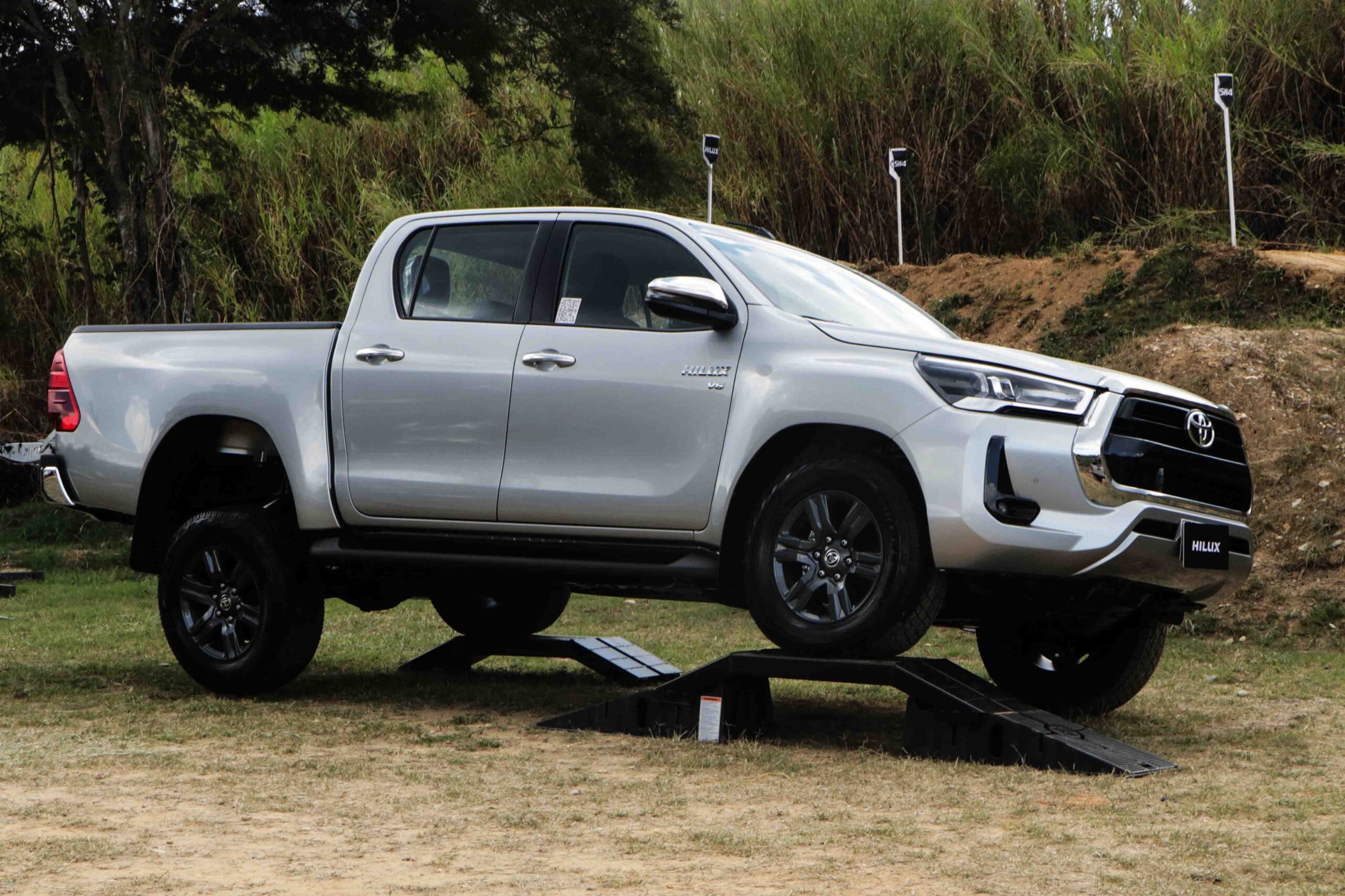
La industria automotriz enfrenta importantes desafíos mientras las políticas comerciales transforman el panorama competitivo, con Toyota Motor Corporation anticipando una disminución de $9.5 mil millones en ganancias anuales debido a las tarifas implementadas recientemente. Siendo el mayor fabricante de vehículos del mundo, esta proyección representa uno de los impactos financieros más significativos reportados por cualquier corporación en respuesta a las condiciones cambiantes del comercio internacional.
Industry analysts note these projected losses stem from multiple factors affecting Toyota’s complex global operations. The company’s extensive supply chain, which spans dozens of countries, has become particularly vulnerable to increasing trade barriers. Higher costs will primarily affect vehicles and components moving between production facilities in Asia and North American markets, where recent policy changes have substantially altered the economic calculus of automotive manufacturing.
Toyota’s financial outlook reflects broader pressures facing the global auto sector. Manufacturers balancing production across international borders must now account for substantially higher costs when moving vehicles and parts between countries. These increased expenses come at a challenging time for the industry, which continues to manage the transition to electric vehicles while facing fluctuating consumer demand in key markets.
The company’s management has proposed various approaches to lessen the financial consequences. These strategies involve speeding up localization by boosting production capabilities in key consumer regions, thus decreasing dependency on international shipments. Toyota intends to raise its investment in its U.S. production plants, especially in those that manufacture hybrid and electric vehicles eligible for domestic content benefits.
Supply chain reorganization is another essential part of Toyota’s strategy. The automaker is striving to set up alternative sourcing agreements for components currently affected by tariff hikes. This effort includes validating new suppliers and possibly redesigning some parts to fit various manufacturing requirements—a complicated task demanding substantial time and financial investment.
Market experts believe that the anticipated $9.5 billion decrease in profits could impact Toyota’s approach to pricing, its research and development spending, and its human resources planning. Although the company has substantial cash reserves to handle the situation, such a significant financial setback might necessitate changes to its long-term strategic plans. Investors will pay close attention to how leadership manages these immediate hurdles while ensuring competitiveness in a rapidly changing industry.
The automotive sector’s experience serves as a case study in how globalized industries adapt to changing trade environments. Toyota’s situation illustrates the delicate balance multinational corporations must maintain between efficient global operations and resilience to policy shifts. Other manufacturers with similar business models may face comparable challenges, potentially leading to broader industry consolidation or restructuring.
Este avance también plantea preguntas cruciales sobre la intersección entre las políticas comerciales, las estrategias industriales y los objetivos ambientales. A medida que los gobiernos aplican medidas para proteger las industrias nacionales y fomentar la transición hacia energías limpias, las corporaciones multinacionales deben manejar un entramado cada vez más complicado de regulaciones e incentivos. El impacto final en los consumidores sigue siendo incierto, con posibles repercusiones en la accesibilidad y la oferta de vehículos en distintos mercados.
Toyota’s announcement underscores how quickly changing trade dynamics can affect even the most established industry leaders. The coming months will reveal how effectively the automaker and its competitors can adapt their operations to this new reality while maintaining technological progress and financial stability in an evolving automotive landscape.